
GARNER, North Carolina — Two significant pieces of legislation, Senate Bill 1008 and Senate Bill 1009, have been introduced in the North Carolina General Assembly, proposing to overturn a long-standing prohibition on hardened shoreline structures along the state’s coast. This move, if successful, would pave the way for the construction of terminal groins, seawalls, and jetties, fundamentally altering North Carolina’s approach to coastal management and sparking immediate concern from environmental conservation groups like Audubon North Carolina. The proposed reversal challenges a policy upheld for generations, rooted in the understanding that such structures are often expensive, ineffective, and can exacerbate erosion issues in adjacent areas.
The Genesis of North Carolina’s Coastal Protection Philosophy
North Carolina has historically been a national leader in adopting a cautious approach to coastal development and erosion control, primarily guided by the principles enshrined in the Coastal Area Management Act (CAMA) of 1974. This landmark legislation, enacted in response to growing concerns over unchecked development and environmental degradation along the state’s fragile barrier islands, established a comprehensive framework for managing coastal resources. A core tenet of CAMA, and subsequent regulations by the Coastal Resources Commission (CRC), has been the prohibition of most permanent hardened structures designed to prevent erosion.
The rationale behind this ban was multi-faceted, drawing heavily on scientific observations and lessons learned from other coastal states. Early attempts at using structures like seawalls and groins in various locations demonstrated a consistent pattern: while they might offer localized protection for an individual property, they often led to accelerated erosion on neighboring beaches. Seawalls, for instance, prevent the natural migration of the shoreline, causing wave energy to scour sand from the base of the wall and eventually leading to the loss of the recreational beach entirely. Groins, structures built perpendicular to the shore to trap sand, starve down-drift beaches of their natural sand supply, shifting the erosion problem rather than solving it. Jetties, typically built at inlet entrances to maintain navigation channels, can also significantly alter natural sand transport patterns, causing accretion on one side and severe erosion on the other.
Over the decades, North Carolina’s policy prioritized "soft" solutions, such as beach nourishment – the process of adding sand to eroded beaches – and dune restoration. These methods are considered more aligned with the dynamic nature of barrier island ecosystems, allowing for natural beach migration and providing valuable habitat for coastal wildlife. This approach recognized the inherent impermanence of barrier islands and sought to work with natural processes rather than against them.
Details of the Proposed Legislation: Senate Bills 1008 and 1009
Senate Bills 1008 and 1009, introduced in the current legislative session, aim to dismantle this long-standing policy. While the specific language of the bills will detail their full scope, their stated intent is to "reverse a decades-old ban on hardened shoreline structures." This implies a significant departure from current regulations, potentially allowing for a wider array of permanent structures in various coastal zones.
The impetus behind these bills likely stems from increasing pressure on coastal communities. North Carolina’s coast has experienced rapid population growth and extensive development over the past several decades. Concurrently, the state has been battered by a series of increasingly intense hurricanes and coastal storms, exacerbated by the accelerating effects of climate change, including sea-level rise. Property owners, developers, and local municipalities facing severe erosion and property damage often seek more "permanent" solutions, viewing hardened structures as a definitive answer to protect their investments and infrastructure.
It is anticipated that the bills might propose specific criteria or locations where such structures could be permitted, or they could seek a broader repeal of the existing ban, leaving the specifics to be determined by the Coastal Resources Commission or other regulatory bodies. The introduction of these bills signals a renewed legislative debate on the balance between property rights, economic development, and environmental conservation in one of the state’s most vulnerable and valuable regions.
Audubon North Carolina’s Vigorous Opposition
Audubon North Carolina has emerged as a prominent voice against the proposed legislation, articulating a clear and unequivocal opposition. Zach Wallace, Audubon North Carolina Policy Director, issued a sharp statement underscoring the organization’s concerns. "North Carolina lawmakers have kept this policy in place for generations because these structures don’t work," Wallace stated. "They rob sand from other parts of the beach, making erosion worse and putting habitat and coastal communities at greater risk. It’s like balancing a budget by moving debt onto someone else’s books."
Wallace’s analogy highlights the core argument against hardened structures: they do not eliminate erosion; they merely displace it. This "terminal effect" or "end effect" means that while a seawall might protect a specific property, it often accelerates erosion on adjacent unprotected properties. Similarly, a groin designed to build up sand on one side will inevitably starve the beach on its down-current side. This often leads to a "domino effect," where neighboring property owners, seeing their beaches erode, are compelled to build their own hardened structures, resulting in a continuous wall of concrete or rock and the eventual disappearance of the natural beach.
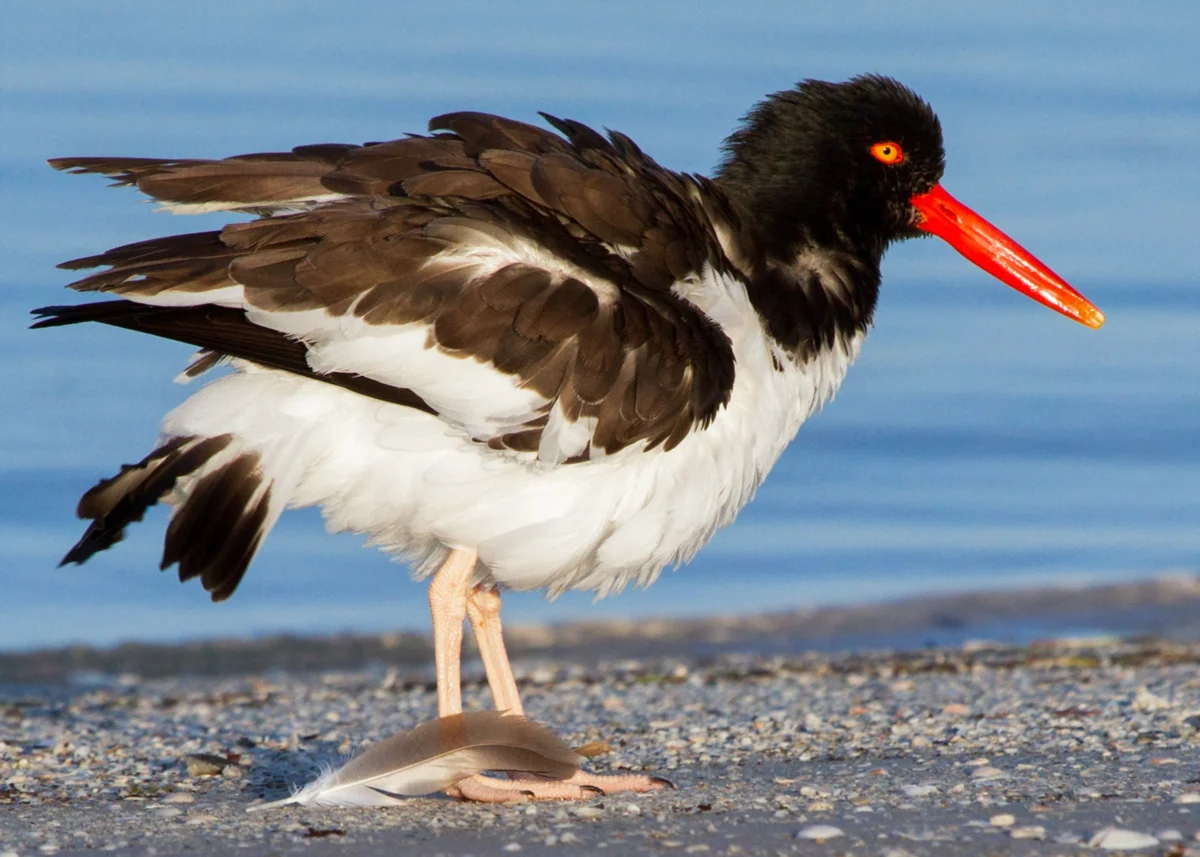
Audubon North Carolina emphasizes the ecological consequences. North Carolina’s barrier islands are critical habitats for a diverse array of wildlife, including threatened and endangered species. Sea turtles, for instance, rely on wide, sandy beaches for nesting. Hardened structures can block nesting access, reduce suitable nesting habitat, and disorient hatchlings. Shorebirds, such as Piping Plovers and American Oystercatchers, depend on the dynamic intertidal zone for foraging and nesting. The loss of natural beach width due to scouring or sand deprivation directly threatens these populations. The argument extends beyond specific species to the overall health and resilience of coastal ecosystems, which rely on the natural ebb and flow of sand and water.
Scientific Consensus and Supporting Data
The scientific community overwhelmingly supports the long-held understanding that hardened shoreline structures, while offering localized protection, generally lead to broader negative consequences for the coastal environment. Numerous studies and reports from organizations like the U.S. Army Corps of Engineers, the National Oceanic and Atmospheric Administration (NOAA), and various academic institutions have documented these impacts.
- Beach Narrowing and Loss: Research consistently shows that seawalls, over time, lead to a narrowing or complete loss of the dry sand beach in front of them, particularly during storm events and with rising sea levels. This phenomenon, known as "passive erosion" or "coastal squeeze," eliminates recreational space and critical habitat.
- Sediment Transport Disruption: Jetties and groins are designed to interfere with natural longshore sediment transport. While they can accrete sand on their updrift side, the interruption of this natural flow deprives downdrift beaches, necessitating costly and frequent beach nourishment projects elsewhere. A study on the impact of groins in specific coastal areas often reveals significant erosion rates on the downdrift side, sometimes exceeding natural rates by several factors.
- Economic Costs: The initial construction costs of hardened structures are substantial, often in the millions of dollars per mile. Furthermore, they require ongoing maintenance and repairs, particularly after major storms. When considering the exacerbated erosion they cause elsewhere, necessitating more frequent and larger beach nourishment projects, the overall economic burden on taxpayers can be immense. For instance, some states spend tens of millions annually on beach nourishment, a cost that could escalate significantly if hardened structures disrupt natural sand supplies further.
- Failed Experiments: Experiences from other states provide cautionary tales. While some states allow hardened structures, they often grapple with their long-term consequences. In parts of the Mid-Atlantic and Northeast, miles of coastline are armored, resulting in narrow or nonexistent beaches, reduced tourism appeal, and ongoing battles against erosion. The initial promise of permanent protection often gives way to a continuous struggle against dynamic coastal forces.
Coastal engineers and geologists increasingly advocate for "living shoreline" solutions, which use natural materials like oyster reefs, marsh grasses, and strategically placed vegetation to dissipate wave energy, stabilize shorelines, and provide habitat. These approaches are often more cost-effective in the long run and more environmentally friendly, aligning with the state’s historical emphasis on working with nature.
Anticipated Reactions from Other Stakeholders
The debate surrounding Senate Bills 1008 and 1009 is expected to elicit strong reactions from a diverse range of stakeholders across North Carolina.
- Coastal Property Owners and Developers: Many private property owners and developers, particularly those with high-value assets directly threatened by erosion, are likely to support the proposed legislation. Their primary concern is the protection of their investments and the stability of their land. They may argue that current "soft" solutions are insufficient to withstand severe storms and rising sea levels, or that beach nourishment is too temporary and expensive. They might advocate for the right to protect their property using all available engineering methods.
- Local Coastal Governments: The stance of local governments in coastal counties and towns could be mixed. Some municipalities, particularly those with significant infrastructure or tourism economies at risk, might favor the option of hardened structures as a means of protecting public assets and maintaining beach access for visitors. Others, however, might express concerns about the potential for increased erosion in adjacent areas within their jurisdiction, the aesthetic impact on their beaches, or the long-term financial liabilities associated with such structures. Inter-jurisdictional conflicts over sand distribution could also arise.
- Other Environmental and Conservation Groups: Groups such as the North Carolina Coastal Federation, the Sierra Club North Carolina Chapter, and various local land trusts are expected to align with Audubon North Carolina in opposing the bills. They will likely emphasize the ecological damage, the loss of public beaches, and the long-term unsustainability of hardened structures, advocating instead for natural solutions, strategic land acquisition, and potentially even managed retreat in highly vulnerable areas.
- Tourism and Recreation Industry: While some in the tourism industry might initially see hardened structures as a way to protect beachfront properties, others could raise concerns about the degradation of natural beaches, which are a primary draw for visitors. A narrow or non-existent beach due to a seawall could diminish the appeal of a coastal destination, potentially impacting property values and tourism revenue over time.
- Academic and Research Institutions: Coastal scientists, engineers, and policy experts from universities across the state will likely offer objective analyses, presenting data on the efficacy and impacts of various erosion control methods. Their input will be crucial in informing the legislative debate, often highlighting the complexities and trade-offs involved in coastal management decisions.
Broader Implications and Future Outlook
The potential reversal of North Carolina’s ban on hardened shoreline structures carries profound implications, extending far beyond individual property lines.
- Environmental Legacy: Lifting the ban would fundamentally alter North Carolina’s environmental legacy, shifting from a proactive, nature-aligned approach to one that could favor reactive, engineered solutions. This could have irreversible consequences for coastal ecosystems and the unique character of the state’s barrier islands.
- Economic Burden: While proponents might argue for immediate economic benefits of property protection, the long-term economic costs could be staggering. The need for continuous maintenance, the potential for increased beach nourishment expenditures elsewhere, and the diminished value of degraded natural beaches could impose significant financial burdens on taxpayers and coastal communities for generations.
- Social Equity: The distribution of impacts could raise social equity concerns. Hardened structures are expensive, typically accessible only to wealthier property owners or communities. The resulting exacerbated erosion in less affluent or unprotected areas could disproportionately affect those with fewer resources, leading to environmental justice issues.
- Policy Precedent: North Carolina’s long-standing ban has been a model for other coastal states. Its reversal could send a signal that political pressure and short-term property protection can override long-term environmental and economic sustainability, potentially influencing coastal management policies nationwide.
- Climate Change Resilience: In the context of accelerating sea-level rise and more powerful storms, the debate over hardened structures becomes even more critical. Relying on such structures could create a false sense of security, encouraging further development in vulnerable areas and ultimately leading to greater losses when structures inevitably fail or are overtopped. A more resilient strategy would involve adapting to dynamic coastal processes, not attempting to rigidly control them.
As Senate Bills 1008 and 1009 move through the North Carolina General Assembly, the state faces a pivotal moment. Lawmakers will weigh the immediate demands for property protection against decades of scientific understanding and a carefully crafted environmental policy. The decision will not only shape the future of North Carolina’s iconic coastline but also set a precedent for how the state addresses the escalating challenges of coastal erosion and climate change in the years to come. The outcome will underscore North Carolina’s commitment to either working with its natural environment or attempting to impose human will upon it, with consequences that will resonate for generations.
