
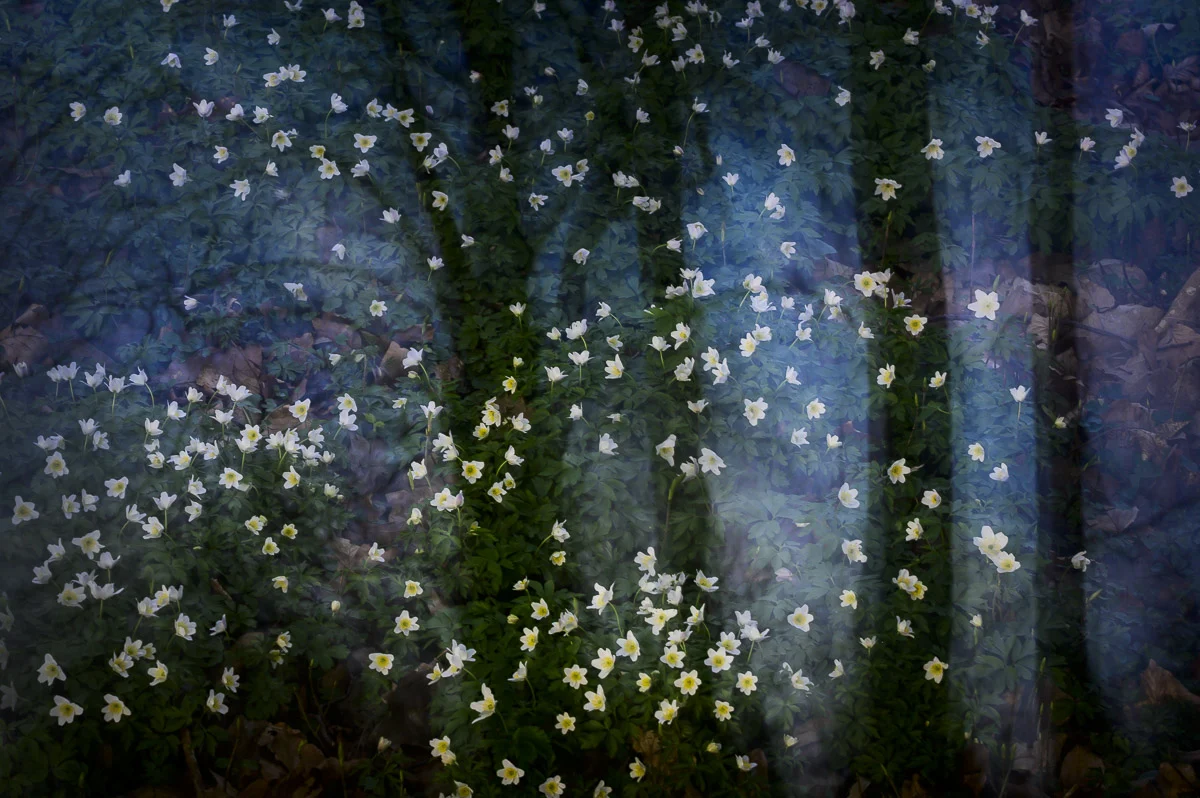
In an era often dominated by meticulous planning and pre-visualization in photography, a distinctive philosophy is gaining traction among seasoned nature photographers: one that champions responsiveness, adaptability, and the embrace of serendipity over rigid adherence to predefined outcomes. This approach posits that while strong composition, clean technique, and pleasing color are undeniable qualities of a successful photograph, the truly crucial elements emerge long before the shutter clicks—in the dynamic interplay between the artist, the environment, and the moment of creation. It is less about executing a checklist and more about allowing an image to organically emerge from the scene, fostering a profound connection to the subject.
This paradigm shifts the focus from a "target photo" held in the mind to a receptive engagement with the present. Even well-formed ideas often dissolve when confronted with the unpredictable realities of nature—shifting light, absent wildlife, distracting elements, or sudden weather changes. In such scenarios, the natural environment dictates its own priorities, compelling the photographer to respond rather than impose. Experienced photographers bring a wealth of knowledge and technical skill, not as prescriptive rules, but as adaptable tools ready to be deployed as the situation unfolds, guiding a journey of discovery rather than merely recording a predetermined endpoint.
The Foundational Triad: Nature, Perception, and Design
Central to this adaptive methodology is what one proponent describes as an "interactive triad": nature, perception, and design. This framework provides a structured yet flexible approach to navigating the inherent unpredictability of outdoor photography.

Nature as the Unscripted Stage: At the core, nature supplies the raw, often chaotic, and always evolving situation. It presents the fundamental conditions—the light, the subjects, the atmospheric elements—that form the initial canvas. This acknowledgment of nature’s agency is paramount; it’s a recognition that the artist is a participant in a larger, dynamic system, not merely an observer seeking to impose order. The challenges of nature photography are well-documented, from fleeting moments of perfect light to the unpredictable behavior of wildlife, demanding constant vigilance and a readiness to discard preconceptions.
The Evolving Lens of Perception: Perception acts as the filtering mechanism, determining what registers and what recedes into the background. It is the photographer’s unique gaze, honed by experience, that decides where attention lands, what details are prioritized, and what begins to resonate with significance. This process is inherently dynamic, constantly reducing complexity, condensing visual information, and shifting the center of gravity within the scene. Unlike a passive observation, this perception is active and iterative, continually re-evaluating and refining its focus.
Design as Dynamic Response: Design, in this context, is the photographer’s adaptive answer to the perceived reality. It encompasses not just compositional choices but also the application of technical skills. However, these techniques are always in service of the image that is actively forming, not a static vision decided upon in advance. This fluid approach creates an opening for chance, allowing unforeseen elements and happy accidents to profoundly shape the final work, often yielding results far richer than any initial plan. The first photograph taken is rarely the final; instead, it becomes vital feedback, returning to inform perception and nudge subsequent decisions in a continuous loop of creation. This iterative feedback loop is significantly enhanced by modern digital camera technology, which provides instant visual review, allowing photographers to make real-time adjustments and refine their approach with unprecedented efficiency.
Case Study 1: The Ephemeral Beauty of a Frost Leaf
One illustrative instance of this triad in action occurred on a night when temperatures plummeted unexpectedly. An experienced photographer, without a specific destination in mind, decided spontaneously to visit a local park pond fringed with bald cypress trees. The scene was a tapestry of frozen water, intricate ice patterns, branches, stumps, and a dusting of snow—an abundance of detail that could easily overwhelm.

The Discovery: Amidst this complexity, a single leaf, perfectly encased in the frozen surface, captured the photographer’s attention. The initial impulse was to photograph its delicate crystal structure. However, the first image revealed a disconnect: the leaf appeared isolated, lacking a clear relationship with its icy surroundings. This immediate feedback signaled a need for refinement, specifically in articulating the connection between the subject and its surface.
The Iterative Lighting Process: To address this, the photographer introduced a flash, wirelessly triggered and strategically placed directly on the ice. This provided low, side lighting, a technique often used to enhance texture and dimension. Small adjustments to the flash’s position dramatically altered the visual outcome. Each movement was followed by an immediate review of the image on the camera’s display, allowing for real-time evaluation and adjustment. An LED light was then added to subtly open up shadows, further refining the interplay of light and dark. Through this process of "test, reject, adjust," the light began to define the surface with greater clarity.
The Serendipitous Shift: A pivotal moment occurred when the flash accidentally slipped, directing its beam more intensely into the ice itself. This unintended alteration was immediately apparent on the camera display. Suddenly, the leaf separated from the surface in an entirely new way, and previously hidden structures beneath the ice became visible. This accidental shift transformed the entire scene. What began as an image of "a leaf on ice" evolved into a profound exploration of leaf, ice, and light as a cohesive, interconnected system, a testament to the power of responding to the unexpected.
Case Study 2: Capturing the Elusive Dragonfly in Backlight
Another compelling example highlights adaptation to dynamic subjects and changing environmental conditions. The photographer returned to a nearby lake, carrying memories of previous successful dragonfly shoots and an expectation of repeating similar images. However, the conditions had dramatically changed, necessitating a complete re-evaluation of the approach.

Adapting to New Conditions: The primary visual draw this time was the reed grass, brilliantly illuminated by low, backlighting that made the stems glow. The initial focus shifted to finding an angle where the background would fall dark, allowing the glowing reeds to dominate the frame. While working with the reeds, dragonflies frequently darted through the scene, appearing and vanishing, their erratic flight patterns presenting a new challenge.
Strategies for Motion: The combination of intense backlight, rapid motion, and intricate structure captivated the photographer’s attention, leading to a state of focused waiting. The frame was composed with ample space for the insects to enter, and a very fast shutter speed was set—a critical technical decision given that dragonflies do not "hover politely" for the camera. Initial bursts of continuous shooting often resulted in dragonflies outside the plane of focus. This immediate feedback prompted a crucial technical adjustment: a switch to manual focus and a narrower aperture. This trade-off sacrificed some background softness for a deeper depth of field, encompassing both the reeds and the anticipated flight path of the dragonflies. The photographer also adopted a technique of softening their gaze through the viewfinder, allowing peripheral vision to register motion more quickly, triggering bursts of frames upon sensing movement.
The Reward of Persistence: This process involved considerable patience, waiting, and hundreds of frames. Out of this extensive photographic effort, a single image emerged where focus, position, and the ephemeral beauty of the dragonfly converged perfectly, demonstrating the power of persistent, adaptive shooting in challenging scenarios.
Case Study 3: Unveiling the Microcosm of Slime Moulds
The final case study illustrates how the camera itself can guide discovery, even in seemingly unpromising environments. In autumn woods, where many details remain hidden, the photographer began shooting without a specific subject in mind, capturing trees, leaves, and mushrooms, constantly reviewing images on the display. Initial frames lacked impact, providing feedback that nothing truly "had weight."

Camera-Aided Discovery: It was in one of these initial frames that a subtle detail emerged: fine, threadlike structures on a fungus, identified as slime moulds. The photographer had not consciously seen them in the moment; the camera’s display revealed their presence. This unexpected discovery prompted a profound shift in focus. Moving closer, the photographer sat on the forest floor, immersing themselves in this tiny world, guided by the earthy scent of the woods.
Deepening Engagement and Lighting Control: As time was spent with the slime moulds, small swellings at the ends of the threads became apparent, providing a focal point around which attention tightened. Introducing an LED light immediately transformed the scene. Shadows formed, shifted, and returned, creating a dynamic interplay of light, blur, and structure. The iterative process continued: checking the display, adjusting the light, and repeating. Frame by frame, this previously unseen microcosm pulled the photographer deeper into its intricate details, demonstrating how deliberate manipulation of light can reveal hidden narratives.
Implications for Photographic Practice and Beyond
These three distinct scenarios, despite their varied subjects and conditions, share a common underlying logic: they exemplify how photographic decisions grow out of continuously shifting attention and responsive engagement with the environment. This approach challenges the conventional wisdom that often prioritizes the faithful application of photographic rules. Instead, it posits that the most compelling photographs arise from the synergistic moment when seeing and choosing work in unison.
Technical competence, far from being a constraint, becomes an enabler. A fluent command of composition and technique allows the photographer to operate instinctively, freeing their mind from technical considerations and enabling a deeper, more present response to what is actually unfolding. Rules, experience, and technical skills are thus treated as tools—valuable when they serve the emerging image, but readily discarded when they become restrictive.

This responsive methodology resonates with contemporary discussions in art and photography that emphasize process, authenticity, and the unique vision of the artist. It encourages a mindful engagement with the subject, akin to meditative practice, where the act of seeing is as important as the act of capturing. For aspiring photographers, this approach suggests a path to developing a distinctive artistic voice by cultivating observation skills, embracing experimentation, and understanding that the journey of discovery is integral to the creation of meaningful images. The iterative feedback loop provided by modern digital cameras further empowers this process, turning each shot into a learning opportunity.
Ultimately, the triad of nature, perception, and design remains central to this philosophy. Nature provides the unscripted stage, perception directs the discerning gaze, and design responds with adaptive creativity. It is within this dynamic interplay, often punctuated by serendipitous moments of chance, that truly unique and impactful photographic art is born, transforming the act of taking a picture into a profound dialogue with the world.
