
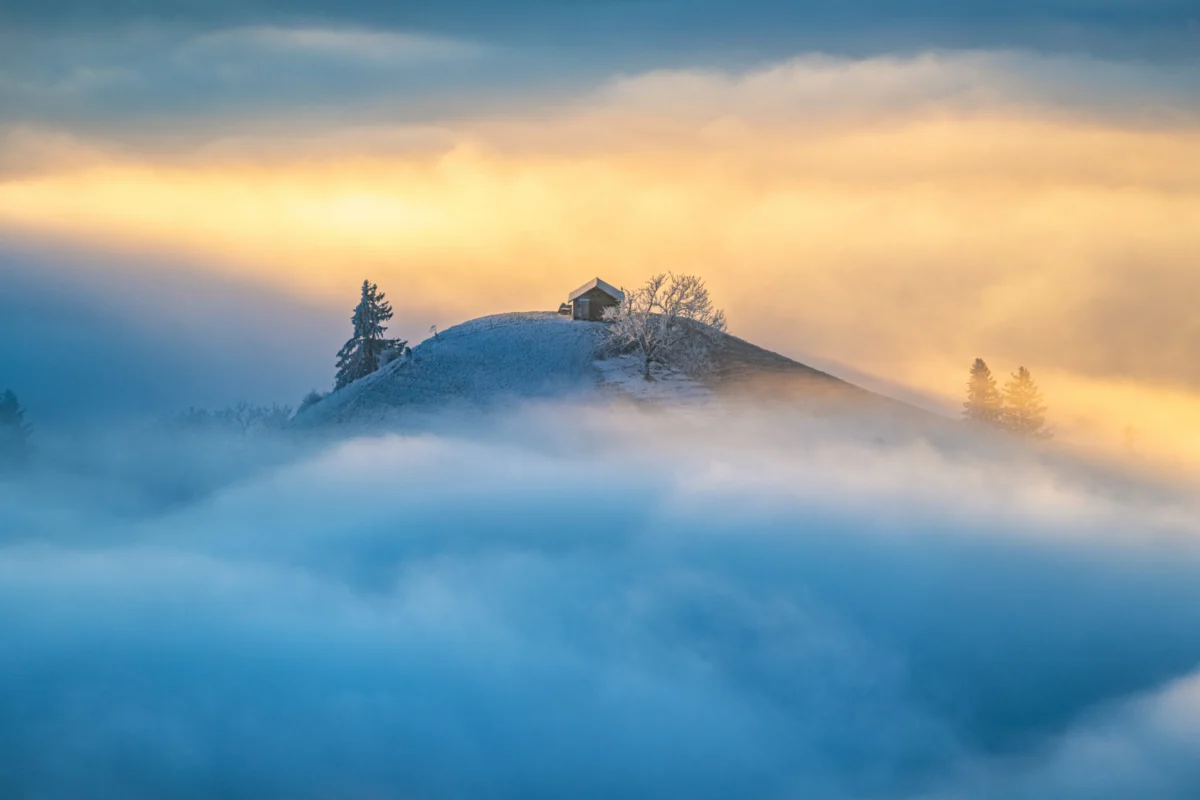
Since embarking on their photographic journey in 2019, one landscape photographer has experienced a profound evolution in their artistic vision, moving beyond conventional approaches to embrace a more holistic and emotionally driven engagement with nature. This transformation, rooted in both technical mastery and a deepened perception of the natural world, underscores a shift from merely capturing aesthetically pleasing moments to conveying the inherent emotion and intricate details present in every scene. The photographer’s initial focus on the dramatic hues of sunrise and sunset, commonly known as the "golden hour," has matured into an appreciation for the full spectrum of natural light and diverse compositional opportunities, demonstrating a commitment to originality and a profound respect for the environment.

The Genesis of a Vision: Early Beginnings and the Allure of Golden Hour
The photographer’s initial foray into landscape photography in 2019 was, like many aspiring artists, heavily influenced by the widespread appeal of the "golden hour." This period, occurring shortly after sunrise or before sunset, is renowned for its soft, warm, and diffused light, which casts long shadows and bathes landscapes in rich, saturated colors. Mountain peaks often glow with fiery reds and oranges, while clouds transform into canvases of vibrant hues, creating undeniably spectacular photographic opportunities. The technical advantages are significant: the low angle of the sun reduces harsh contrasts, making exposure management simpler, and the warm color temperature naturally enhances the beauty of the scene. This predictable magic hour often serves as a primary driver for photographers seeking those iconic, dramatic landscape shots that dominate social media feeds and photography showcases. The photographer vividly recalls early outings dedicated almost exclusively to chasing these fleeting moments, convinced that peak photographic potential resided solely within these brief windows of time.

A Broader Canvas: Embracing Nature’s Full Spectrum
Over time, this singular focus began to broaden. The photographer started venturing to locations at unconventional hours, lingering long after the sun had fully risen or arriving well before its descent. This deliberate departure from the golden hour dogma allowed for a more expansive appreciation of nature. It became evident that every moment held its own unique emotional resonance, and the landscape, regardless of the sun’s position, offered a rich tapestry of visual narratives waiting to be discovered. This shift represents a common progression among seasoned landscape photographers, who learn to leverage all types of light—from the crisp, clear light of midday to the moody, diffused light of an overcast sky or the subtle blues of twilight—to evoke different feelings and highlight various aspects of a scene.

A pivotal moment in this evolving perspective occurred in 2021. After an arduous three-hour hike through rugged terrain in central Switzerland, burdened with approximately 20 kilograms of camera gear, the photographer reached a breathtaking vantage point. Despite the harsh midday light, several hours removed from the coveted golden hour, the panorama was nothing short of exceptional. Dynamic clouds, scudding rapidly across the sky, intermittently obscured and then dramatically revealed the towering mountains. This interplay of light and shadow created an ever-changing spectacle, igniting an immediate rush of creative energy. The scene, far from conventional photographic "perfection," was deeply inspiring, prompting the photographer to begin composing images instantly. This experience solidified the understanding that raw emotion and compelling visual stories could be found irrespective of traditionally "ideal" lighting conditions, provided one was open to observation and inspiration. The Swiss Alps, known for their dramatic weather patterns and diverse microclimates, frequently present such unpredictable yet highly photogenic conditions, challenging photographers to adapt and find beauty in the unexpected.
Mastering the Frame: Compositional Principles in Landscape Photography

Central to the photographer’s refined approach is the paramount importance of composition. Rather than imposing rigid rules, the photographer emphasizes allowing nature itself to dictate the most compelling arrangements. This intuitive approach relies on recognizing and utilizing natural elements to guide the viewer’s eye and create a sense of depth and narrative within the frame.
Leading Lines: A frequently employed technique involves identifying natural leading lines. These could manifest as a winding stream or river gracefully carving a path toward a distant mountain, a distinct ridge line, or even the subtle arrangement of elements on the forest floor. The purpose of leading lines is to draw the viewer’s gaze from the foreground into the midground and then toward the primary subject, creating a dynamic visual flow and enhancing the perception of depth. Beyond water bodies, leading lines can be formed by tree branches, rows of flowers, patterns in snow or sand, or even the distinct contours of rock formations. The effectiveness of a leading line lies in its ability to create a clear, unobstructed pathway for the eye, making the journey through the image engaging and purposeful.

Natural Frames and Foregrounds: Another powerful compositional tool involves the use of natural frames and intriguing foregrounds. Natural frames, such as a cave opening, an archway of trees, or a uniquely shaped rock formation, can encapsulate the main subject, isolating it and drawing attention while adding context and depth to the scene. Foregrounds are equally critical, serving as an entry point for the viewer into the photograph. They establish scale, add texture, and can introduce complementary elements that enhance the main subject.
The photographer notes a common trend, particularly on social media, where flowers are often used as foreground elements. While not inherently opposed to this, the photographer cautions against allowing the foreground to overpower or distract from the primary subject. The goal is enhancement, not competition. An effective foreground should complement the scene, adding visual interest without stealing the show. This aligns with broader photographic principles that advocate for balance and harmony within the frame. A strong foreground could be anything from intricate patterns in fresh snowfall, delicate ice formations, captivating air bubbles trapped in a frozen lake, an unusually shaped tree trunk framing a distant peak, or a uniquely colored rock formation. The key is that the chosen element genuinely contributes to the overall narrative and aesthetic impact of the image, rather than merely being a decorative addition. This discerning eye for foregrounds reflects a deeper understanding of visual hierarchy and storytelling in photography.

The Dance of Light and Shadow: Harnessing Contrast for Emotional Depth
The photographer firmly believes that a powerful photograph transcends the mere timing of light; it emanates from the emotion a scene evokes and the ability to translate that feeling to the viewer. This pursuit of emotional resonance often hinges on the masterful use of contrast, not just in terms of light but also in color.

Light and Shadow Contrast: Beyond the soft gradients of golden hour, dramatic contrasts between light and shadow can create truly unique and impactful images. Imagine a dense fog abruptly parting, allowing a shaft of golden light to pierce through a dark forest, or a solitary mountain peak brilliantly illuminated by the sun while its surroundings remain shrouded in deep shadow. These moments are "unique spectacles" that offer intense visual drama and a powerful sense of atmosphere. The deliberate seeking out of such contrasts is a hallmark of the photographer’s style, designed to make the main subject "stand out" with arresting clarity and profound depth. This technique adds a sculptural quality to the landscape, emphasizing form, texture, and the transient beauty of light.
Chromatic Contrasts: Equally important are chromatic contrasts. The photographer expresses a deep affinity for complementary colors—those opposite each other on the color wheel (e.g., blue and orange, red and green, yellow and purple). When placed together, complementary colors create a vibrant visual tension that makes both hues appear more intense, adding dynamism and richness to the image. For instance, an orange sunset sky against a deep blue mountain range, or vibrant green foliage contrasted with a burst of red autumn leaves. Beyond complementary pairs, analogous colors—those located next to each other on the color wheel (e.g., blue, blue-green, green)—are also frequently utilized. While less dramatic than complementary contrasts, analogous colors create a sense of harmony, unity, and subtle depth through their varied shades and tones. They can evoke a calmer, more serene mood, allowing for a nuanced exploration of color within a specific palette.

The photographer’s "deep love with contrasts" stems from their ability to imbue a scene with greater depth, drawing the viewer deeper into the photographic narrative. This constant pursuit and thoughtful application of both light-and-shadow and chromatic contrasts are defining characteristics of their photographic style and heavily influence their post-processing techniques. The judicious enhancement of these contrasts in post-production serves to amplify the emotional impact captured in the field, without compromising the authenticity of the natural scene.
Expanding Horizons: The Power of Perspective and Detail

In recent years, the photographer’s evolving vision has led to a greater appreciation for details and unconventional perspectives within the landscape. This expansion of artistic scope has resulted in a more frequent use of specialized equipment: telephoto lenses and drones.
Telephoto Lenses: The increased reliance on telephoto lenses marks a departure from the wide-angle dominance often seen in traditional landscape photography. While wide-angle lenses excel at capturing expansive vistas and creating a sense of immersion, telephoto lenses offer a different kind of magic. They compress perspective, bringing distant elements seemingly closer together and isolating specific details that might otherwise be lost in a broader scene. This allows the photographer to focus on intricate textures of a distant rock face, the unique silhouette of a lone tree, or the subtle play of light on a remote peak. By honing in on these details, the telephoto lens reveals intimate stories within the grand landscape, adding layers of complexity and inviting viewers to appreciate the smaller wonders often overlooked. This technique transforms a sprawling scene into a series of compelling micro-landscapes, each with its own narrative.

Drones: The integration of drone photography has further revolutionized the photographer’s ability to explore new perspectives. A landscape viewed from above is fundamentally different from one seen from ground level. Drones provide an unparalleled aerial vantage point, revealing patterns, textures, and compositional elements that are entirely invisible from the ground. Aerial perspectives can dramatically alter the perception of light and shadow, highlighting topographical features, watercourses, and geological formations in ways that evoke a profound sense of wonder and scale. This elevated viewpoint offers a unique opportunity to abstract the landscape, transforming familiar scenes into artistic compositions of lines, shapes, and tones. The ability to capture such fresh perspectives helps the photographer convey the emotional experience of the moment more powerfully, allowing viewers to see nature through an entirely new lens and challenging preconceived notions of how a landscape "should" be photographed. The accessibility of drone technology has opened up a new frontier in landscape photography, enabling creative expressions that were once the exclusive domain of aerial expeditions.
Beyond the Postcard: Philosophy and Practice in Nature Photography

Ultimately, for this photographer, landscapes are never mere postcards. Each image is conceived as a narrative, a vessel designed to tell a story and convey a specific atmosphere. This involves a meticulous interplay of light, colors, and depth, all woven together through careful composition. The aim is to honor both the grandeur of vast, sweeping spaces and the delicate beauty of the quietest details. This philosophy moves beyond the superficial capture of beauty, striving instead for a deeper connection and interpretation of the natural world.
The role of post-processing, in this context, is crucial but carefully managed. It is viewed as a tool for enhancement, not distortion. Post-processing should be "measured," never "too invasive," and its primary function is to empower the image, allowing its inherent strengths to shine through without fabricating or exaggerating reality. This ethos ensures that the final image remains true to the essence of the moment and the integrity of the natural scene.

The photographer emphasizes that sometimes, capturing these profound images requires nothing more than careful observation and an open mind, allowing nature to reveal its wonders. Other times, it demands immense patience, waiting for hours for a subtle shift in light—perhaps a solitary ray breaking through clouds—to transform the entire atmosphere of a scene. This patience underscores a deep respect for natural processes and an understanding that truly exceptional moments often cannot be rushed or forced.
At the core of this entire photographic practice lies an unwavering commitment to contemplation and respect for nature. These are deemed the only inviolable rules. This ethical stance highlights the responsibility of the nature photographer not just to capture beauty, but to engage with it mindfully and sustainably.

In conclusion, the photographer strongly reiterates the importance of allowing oneself to be genuinely inspired by nature, rather than becoming tethered to popular trends or emulating the work of others. Every single day, every fleeting moment, and every unique location holds the potential for something extraordinary, provided one cultivates the skill and willingness to truly observe. This personal evolution in photographic vision serves as a compelling testament to the power of authentic engagement with the natural world, moving beyond technical conventions to uncover deeper emotional and artistic truths.
