
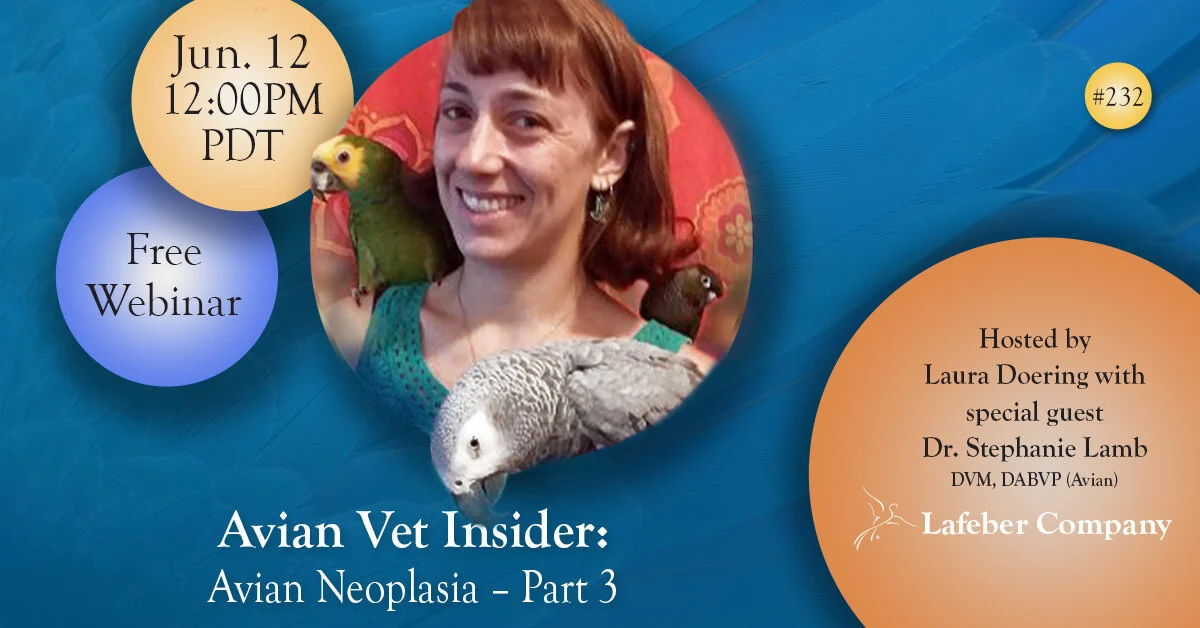
The upcoming webinar, "Avian Neoplasia, Part 3," scheduled for Friday, June 12, 2026, at 12:00 p.m. PDT, promises to be a pivotal event for avian enthusiasts, veterinarians, and anyone invested in the health and well-being of pet birds. This final installment in a three-part series, led by the esteemed Dr. Stephanie Lamb, will delve into the complexities of avian neoplasia, or cancer, in birds. Building upon the foundational knowledge established in the preceding sessions, this webinar aims to provide a comprehensive overview of the diverse range of tumor types that can affect avian species, extending beyond previously discussed areas such as skin and reproductive organs to explore additional affected systems.
The series, hosted by Lafeber Company, a recognized leader in avian veterinary education, has been designed to equip participants with a deeper understanding of neoplastic diseases in birds. This final session is particularly crucial as it seeks to expand the audience’s awareness of the potential sites of tumor development within a bird’s body. Cancer, a diagnosis that can evoke significant distress for bird owners, often presents diagnostic challenges due to the subtle nature of symptoms in avian patients and the unique physiological characteristics of birds. By offering detailed insights into the various forms and locations of avian tumors, Dr. Lamb intends to empower bird owners and veterinary professionals with the knowledge necessary for more informed care, earlier detection, and more effective decision-making.
The Evolution of Avian Neoplasia Education
The "Avian Neoplasia" webinar series represents a significant contribution to ongoing efforts to elevate avian health literacy. Lafeber Company, with its long-standing commitment to providing high-quality educational resources for pet bird owners and veterinarians, has consistently addressed critical health concerns affecting companion birds. The decision to dedicate a three-part series to avian neoplasia underscores the increasing prevalence and importance of understanding cancer in these animals.
The first two parts of the series, while not detailed here, are understood to have laid the groundwork for this concluding session. It is reasonable to infer that these initial webinars focused on the fundamental aspects of neoplasia, potentially including its causes, general diagnostic approaches, and a detailed examination of tumors affecting specific organ systems, such as the reproductive tract and skin, which are often susceptible. This phased approach allows for a progressive build-up of knowledge, ensuring that participants can fully grasp the complexities of the subject matter.
The scheduling of this final webinar in mid-2026 suggests a deliberate effort to align with advancements in veterinary oncology and to provide current, evidence-based information. The chosen date, Friday, June 12, 2026, falls on a weekday, making it accessible for professionals who may have demanding work schedules, while the midday start time (12:00 p.m. PDT) is intended to accommodate a broad audience across various time zones. The inclusion of a time zone converter link is a thoughtful addition, acknowledging the global nature of online learning and the importance of accurate timing for participants worldwide.
Dr. Stephanie Lamb: A Leading Voice in Avian Oncology
Dr. Stephanie Lamb is a highly respected figure in the field of avian veterinary medicine. Her expertise in oncology is widely recognized, and her contributions to understanding and treating cancer in birds are invaluable. Her leadership in this webinar series signifies the depth and authority of the information that will be presented. While specific biographical details beyond her specialization are not provided in the initial announcement, her role as the presenter for a comprehensive three-part series on a complex topic like avian neoplasia speaks volumes about her credentials and the trust placed in her knowledge by organizations like Lafeber Company.
Dr. Lamb’s dedication to advancing avian health through education is a critical component of improving the longevity and quality of life for pet birds. Her ability to distill complex scientific information into accessible formats is essential for both veterinary professionals seeking to refine their diagnostic and treatment strategies and for dedicated bird owners aiming to provide the best possible care for their feathered companions.
Expanding the Scope: Beyond Common Sites of Neoplasia
The announcement for "Avian Neoplasia, Part 3" explicitly states that this session will "offer a look at additional areas of the body that may be involved." This indicates that the scope of avian neoplasia extends far beyond the commonly discussed sites. While skin tumors and reproductive cancers (such as ovarian and testicular tumors) are frequently encountered in avian practice, many other organ systems can be affected by neoplastic processes.
These additional areas could include, but are not limited to:
- Hepatic (Liver) Neoplasia: The liver is a vital organ involved in numerous metabolic functions and is susceptible to various types of tumors, including hepatocellular carcinomas and hemangiosarcomas.
- Splenic Neoplasia: The spleen, part of the immune system, can develop lymphomas, hemangiosarcomas, and other tumors.
- Renal (Kidney) Neoplasia: Tumors of the kidneys can impact fluid balance and overall bodily function.
- Gastrointestinal Neoplasia: Cancers affecting the digestive tract, from the esophagus to the intestines, can lead to significant malabsorption and systemic illness.
- Ocular Neoplasia: Tumors affecting the eyes can range from benign papillomas to more aggressive melanomas or sarcomas.
- Respiratory Tract Neoplasia: While less common, tumors can arise in the nasal passages, trachea, or lungs, posing significant breathing difficulties.
- Skeletal Neoplasia: Tumors of the bone, such as osteosarcomas, can occur, though they are rarer than in some mammalian species.
- Nervous System Neoplasia: Tumors affecting the brain or spinal cord, while challenging to diagnose and treat, can have profound neurological impacts.
- Cardiovascular Neoplasia: Tumors of the heart or major blood vessels, though rare, can have catastrophic consequences.
- Lymphatic System Neoplasia: Beyond the spleen, other lymphoid tissues can be affected by cancers like lymphoma.
Understanding the potential for neoplasia in these diverse locations is crucial for comprehensive diagnostic workups. Subtle clinical signs, such as changes in appetite, weight loss, lethargy, or altered droppings, can be indicative of underlying neoplastic processes in any of these systems.
Supporting Data and Trends in Avian Neoplasia
While specific statistical data from 2026 is not yet available, historical trends in avian veterinary medicine indicate a growing awareness and diagnosis of neoplasia in pet birds. Factors contributing to this perceived increase include:
- Improved Diagnostic Capabilities: Advancements in veterinary imaging (radiography, ultrasound, CT scans), laboratory diagnostics (blood work, cytology, histopathology), and surgical techniques have made it easier to detect and diagnose tumors that might have gone unnoticed in the past.
- Increased Lifespan of Pet Birds: With better husbandry, nutrition, and veterinary care, many pet bird species are living longer lives. As with many species, the risk of developing cancer increases with age. Species like African Greys, Amazons, cockatoos, and macaws, known for their long lifespans, are thus more likely to encounter age-related diseases like neoplasia.
- Genetic Predisposition: Certain breeds or species may have a higher genetic predisposition to developing specific types of cancer. For example, budgerigars (budgies) have historically shown a higher incidence of certain tumors, particularly lipomas and reproductive tract tumors.
- Environmental Factors: While research is ongoing, potential links between environmental toxins and increased cancer risk in birds are a subject of ongoing investigation within the scientific community.
Data from veterinary teaching hospitals and private practices consistently highlight neoplasia as one of the leading causes of morbidity and mortality in pet birds. Studies published in veterinary journals often detail the prevalence of specific tumor types, with skin and reproductive tumors frequently topping the lists. For instance, a retrospective study might reveal that among avian patients presented with masses, a significant percentage are diagnosed with some form of neoplasia, with varying proportions affecting different organ systems.
Implications for Bird Owners and Veterinary Professionals
The implications of understanding avian neoplasia are profound for both bird owners and the veterinary community.
For Bird Owners:
- Proactive Health Monitoring: Knowledge of potential signs and symptoms of avian cancer empowers owners to be more vigilant in monitoring their birds’ health. This includes paying close attention to subtle changes in behavior, appetite, weight, and physical appearance.
- Informed Decision-Making: Facing a cancer diagnosis can be overwhelming. Understanding the nature of the disease, potential treatment options, and prognosis allows owners to make more informed decisions regarding diagnostic tests, treatments, and palliative care, prioritizing their bird’s quality of life.
- Early Intervention: Recognizing early signs can lead to earlier veterinary intervention, which can be critical for successful management or treatment of certain cancers.
- Advocacy for Care: A well-informed owner can better advocate for their bird’s needs with their veterinarian, asking pertinent questions and seeking appropriate specialist referrals when necessary.
For Veterinary Professionals:
- Enhanced Diagnostic Acumen: The webinar series aims to refine diagnostic skills, enabling veterinarians to identify potential neoplastic conditions more readily across a broader spectrum of clinical presentations.
- Improved Treatment Strategies: A deeper understanding of the various types and locations of avian tumors can lead to more targeted and effective treatment plans, potentially involving surgery, chemotherapy, radiation therapy (where applicable), or supportive care.
- Client Education and Support: Veterinarians can leverage the knowledge gained to better educate and support bird owners through the challenging journey of cancer diagnosis and management.
- Contribution to Research: By applying this knowledge in their practice, veterinarians contribute to the growing body of evidence and data that fuels further research into avian oncology.
Registration and Accessibility
The announcement includes a clear call to action: "Register Now" with a direct link to the Zoom webinar registration page. This direct link ensures ease of access for interested parties. Given the global reach of online webinars, Lafeber Company’s provision of a time zone converter is a critical feature, promoting inclusivity and ensuring that participants worldwide can accurately ascertain the webinar’s start time in their local region. This proactive approach to accessibility is a hallmark of effective online educational platforms.
The Significance of the "Part 3" Conclusion
The designation of this webinar as "Part 3" signifies the culmination of a comprehensive educational initiative. It suggests that the series has systematically built a foundation of knowledge, progressing from fundamental concepts to more specialized and extensive information. This concluding session is designed to provide a holistic view, integrating the information from previous parts and offering insights into the less commonly discussed but equally important aspects of avian neoplasia. The successful completion of this series will mark a significant milestone in the ongoing effort to demystify and effectively manage cancer in pet birds, ultimately contributing to improved avian health outcomes.
The timing of this webinar, in June 2026, places it within a period where veterinary science continues to evolve rapidly. It is anticipated that Dr. Lamb’s presentation will incorporate the latest research, diagnostic modalities, and therapeutic approaches available at that time. The commitment to providing such timely and in-depth education highlights the proactive role Lafeber Company and its collaborators play in advancing the field of avian medicine.
