
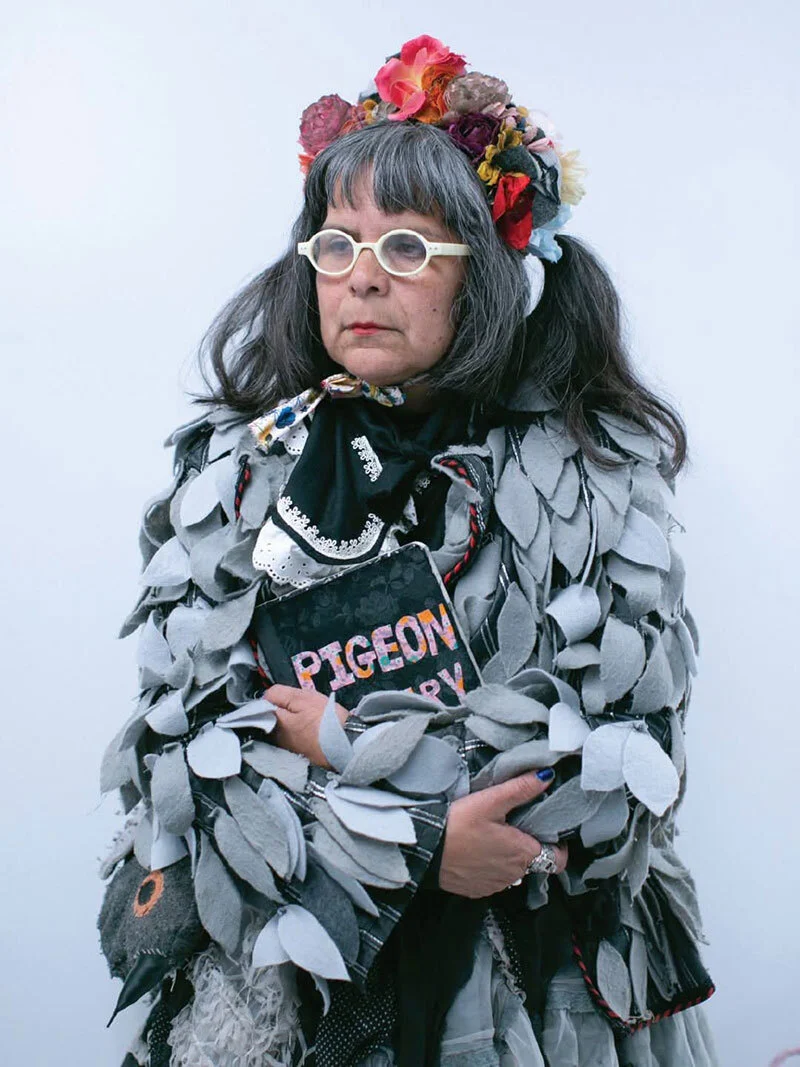
The vibrant tapestry of New York City’s art scene is constantly rewoven with threads of innovation and social commentary. Amidst this dynamic landscape, Tina Piña Trachtenburg, known to many as “Mother Pigeon,” has emerged as a unique voice, channeling her artistic talents into a passionate advocacy for the city’s often-maligned pigeon population. Her work, a potent blend of street performance, digital media, and unwavering activism, directly confronts the controversial practice of live pigeon shoots, primarily targeting the city’s feral pigeons for use as targets in shooting events, most notably in Pennsylvania. Trachtenburg’s initiative is not merely artistic expression; it is a direct challenge to a tradition that animal welfare organizations and legal bodies have increasingly condemned.
The Genesis of Mother Pigeon: An Artist’s Awakening
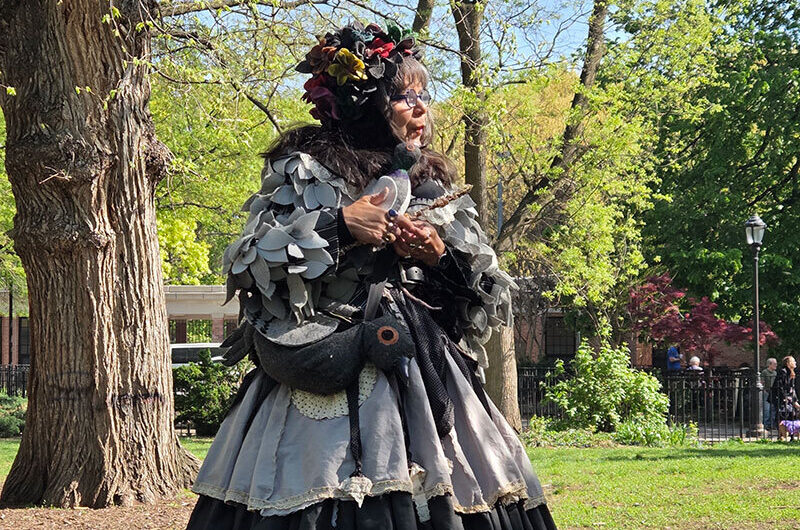
Tina Piña Trachtenburg’s journey as Mother Pigeon is rooted in her deep connection to New York City and its inhabitants, including its avian residents. While the exact moment of her artistic pivot towards pigeon advocacy is not publicly detailed, her established presence as a street performer in NYC suggests a long-standing engagement with public spaces and the diverse life within them. Her artistic persona, Mother Pigeon, likely evolved as a means to imbue the often-overlooked pigeons with a sense of identity and deservingness of protection. This artistic metamorphosis allows her to engage a broader audience, drawing attention to issues that might otherwise remain in the periphery of public consciousness.
The "Mother Pigeon" moniker itself suggests a nurturing, protective stance, a stark contrast to the predatory context in which these birds are often viewed. Trachtenburg’s artistic output, particularly her YouTube channel, Mother Pigeon’s Impeckable Musical Puppet Show, serves as a primary vehicle for her message. Over a year, she produced ten videos featuring hand puppets like Frankie the Pigeon and Max the Rat, accompanied by nine original songs and a reading of her published book. This creative output, available on Bandcamp, demonstrates a commitment to developing accessible and engaging content that humanizes the pigeons and highlights the injustices they face. The deliberate choice of a puppet show format, often associated with childhood education and storytelling, subtly underscores the innocence of the pigeons and the cruelty of their exploitation.
The Cruelty of Live Pigeon Shoots: Background and Context
The practice of live pigeon shoots, often referred to as "clay pigeon shooting with live birds," involves releasing pigeons from mechanical traps to be shot at by participants. While proponents might argue for its historical roots in sport shooting, animal welfare advocates and a growing segment of the public view it as archaic and inhumane. The pigeons, often sourced from urban environments, are subjected to capture, transportation, and then released into a high-stress situation where they are shot at. This practice has drawn criticism for the suffering inflicted upon the birds, including injury, death, and prolonged distress.
Pennsylvania has historically been a significant location for such events. However, the ethical concerns surrounding these shoots have led to increasing scrutiny and legislative action. The New York City Bar Association’s Animal Law Committee, for instance, has publicly stated its opposition to these practices. Their support for H.B. 1097 (2025–2026) legislation, aimed at prohibiting the use of live pigeons as targets in trap and block shooting events in Pennsylvania, signifies a growing legal and institutional recognition of the welfare issues involved. This legislative push indicates a broader societal shift away from accepting such practices.
Trachtenburg’s Direct Action: A Bounty for Evidence
Beyond her artistic endeavors, Trachtenburg is engaged in direct activism. Her protest specifically targets the capture of New York City’s pigeons for resale and subsequent use in Pennsylvania. To combat this, she has implemented a tangible incentive: a $300 reward for anyone who can provide photographic and video evidence, with clear identification capabilities, of individuals capturing pigeons in Maria Hernandez Park, Brooklyn. This initiative is a strategic move to gather concrete proof of the capture operations, which can then be used to bolster advocacy efforts and potentially inform legal action. By incentivizing citizen reporting, Trachtenburg empowers the community to become active participants in documenting and exposing these practices. The choice of Maria Hernandez Park as a focal point suggests it may be a known hub for such captures, or a location where Trachtenburg has observed significant activity.
Amplifying the Message: Digital Reach and Community Engagement
Trachtenburg masterfully leverages social media to amplify her message and build a community of support. Her Instagram account, boasting over 38,000 followers, serves as a primary platform for her advocacy. With over a thousand posts, she meticulously documents her work, shares information about pigeon welfare, and engages with her audience. This consistent and visually rich content strategy allows her to maintain a strong online presence and continuously educate the public. Her Facebook page further extends her reach, connecting with a different demographic of social media users.
Furthermore, Trachtenburg provides direct insight into her motivations through a short YouTube video. In this personal narrative, she articulates the driving forces behind her commitment to protecting pigeons. This willingness to share her personal journey fosters a deeper connection with her audience, transforming her advocacy from a distant cause to a relatable human endeavor. The accessibility of her content across multiple platforms—YouTube, Bandcamp, Instagram, and Facebook—ensures that her message reaches a wide and diverse audience, from art enthusiasts to animal welfare advocates.
Supporting Data and Legal Frameworks
The context of Trachtenburg’s activism is underpinned by growing awareness of animal welfare and the legal challenges posed to exploitative practices. While specific data on the number of pigeons captured and shipped for shoots from NYC is not readily available in the provided text, the existence of legislative efforts like Pennsylvania’s H.B. 1097 indicates that the scale of such operations is significant enough to warrant legislative attention. The New York City Bar Association’s involvement highlights the legal community’s increasing engagement with animal rights issues. Their report supporting the bill underscores the legal arguments against live pigeon shoots, likely citing animal cruelty statutes and ethical considerations.
The practice of using live animals for sport shooting has faced legal challenges in various jurisdictions. Historically, such events have been regulated or banned in many states due to their inherent cruelty. The fact that Pennsylvania is still a venue for such activities suggests a more complex regulatory environment or a strong lobby from those involved in the sport. Trachtenburg’s efforts contribute to the growing body of evidence and public pressure that aim to bring about legislative change and ultimately, an end to these practices.
Broader Impact and Implications
Mother Pigeon’s artistic activism has several significant implications. Firstly, it reframes the public perception of pigeons, traditionally viewed as pests or nuisances, as sentient beings deserving of compassion. By giving them a voice through art and performance, Trachtenburg challenges ingrained biases. Secondly, her direct actions, such as offering a reward for evidence, empower ordinary citizens to contribute to animal welfare efforts, fostering a sense of collective responsibility.
Thirdly, her work contributes to a broader cultural dialogue about the ethics of human-animal interactions. As society evolves its understanding of animal sentience and welfare, practices like live pigeon shoots are increasingly coming under scrutiny. Trachtenburg’s artistic and activist endeavors play a crucial role in this evolving discourse. The success of her social media campaigns, evidenced by her substantial follower count, demonstrates the public’s receptiveness to her message and their willingness to engage with these issues.
The potential impact of her advocacy extends beyond the immediate goal of stopping pigeon shoots. It serves as a model for other artists and activists who wish to use their creative talents to address social and environmental concerns. By integrating art, performance, and direct action, Mother Pigeon exemplifies a multifaceted approach to activism that can be both impactful and inspiring. The ongoing legislative efforts in Pennsylvania, coupled with Trachtenburg’s public awareness campaigns, suggest a potential turning point in the fight against live pigeon shoots, with artists like Mother Pigeon playing a vital role in driving this change. Her work underscores the power of art to not only reflect the world but also to actively shape it for the better.
