

The American Federation of Aviculture (AFA) recently concluded its 52nd Annual Educational Conference in St. Louis, Missouri, marking a significant milestone in the ongoing discourse surrounding bird husbandry, conservation, and avian veterinary medicine. To provide a comprehensive overview of the event, avian expert and Certified Professional Bird Consultant (CPBC) Lisa Bono will host a dedicated webinar on Friday, September 4, 2026, at 12:00 p.m. PDT. This session, presented as the latest installment of "The Grey Way," aims to distill the complex technical sessions and networking outcomes of the conference into an accessible format for the global avian community.
The Significance of the AFA Conference
The American Federation of Aviculture serves as the primary advocacy and educational body for bird enthusiasts, breeders, and conservationists in the United States. Founded in 1974, the AFA has spent over five decades facilitating the exchange of knowledge regarding the captive management of psittacines and other avian species. The annual conference represents the organization’s flagship event, functioning as a nexus where researchers, veterinary professionals, and hobbyists converge to discuss the latest advancements in nutrition, behavioral psychology, and legal advocacy.
The 2026 conference in St. Louis followed a period of intense focus within the industry regarding the sustainability of captive breeding programs and the ethical implications of avian ownership in an increasingly urbanized society. By gathering experts from across the globe, the AFA provides a platform for evidence-based discussions that influence standards of care for thousands of captive birds.
A Chronological Overview of the Conference Experience
The event in St. Louis was structured to balance academic rigor with practical application. Attendees engaged in a multi-day itinerary that included peer-reviewed presentations on avian biology and workshops focusing on enrichment strategies for domestic parrots.
- Opening Plenary (Day One): The conference commenced with a series of keynote addresses focusing on the current state of wild populations and the role of captive breeding in species preservation.
- Technical Sessions (Day Two): Researchers presented findings on nutritional deficiencies and advancements in avian pathology, providing data-driven insights into metabolic health.
- Collaborative Forums (Day Three): Industry stakeholders held closed-door discussions on legislative trends affecting avian commerce and the rights of bird keepers.
- Closing Ceremonies (Day Four): The event concluded with an awards banquet recognizing excellence in avian husbandry and long-term service to the AFA.
Lisa Bono’s role as a roving reporter throughout these proceedings allowed for a granular look at the event. Her upcoming webinar will synthesize these experiences, providing a curated summary of the most impactful lectures and the consensus reached on critical industry challenges.
Supporting Data and Industry Context
The field of aviculture is currently navigating a complex landscape defined by regulatory scrutiny and shifting public perceptions. According to recent demographic data within the pet industry, avian ownership remains a significant segment of the exotic pet market, with millions of households across North America maintaining at least one bird. However, the complexity of avian care—which involves specialized dietary requirements, high cognitive demands, and long lifespans—necessitates ongoing education.
The AFA’s data-sharing initiatives are critical in this regard. During the 52nd conference, panels discussed the efficacy of new pelletized diets, the impact of environmental light cycles on hormonal behavior, and the use of positive reinforcement training as a primary tool for behavioral management. These discussions are not merely academic; they directly impact the survival rates and quality of life for captive birds. By disseminating this information, the AFA acts as a bulwark against outdated husbandry practices that have historically led to poor welfare outcomes.
Official Responses and Stakeholder Perspectives
Representatives from the AFA have consistently emphasized that the annual conference is not just a social gathering but a professional necessity. "The intersection of veterinary science and hobbyist experience is where the most significant breakthroughs occur," remarked one conference organizer during the closing remarks. The sentiment across the board in St. Louis was one of proactive engagement; attendees expressed a clear desire to move toward standardized certifications and more robust ethical frameworks.
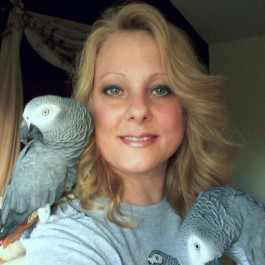
Lisa Bono’s involvement brings a unique layer of professional credibility to the recap. As a CPBC, her perspective is grounded in the practical application of behavioral science. Her commitment to documenting the conference ensures that those unable to attend in person are not deprived of the vital information shared by industry leaders. Her interviews with speakers and attendees are expected to highlight the diversity of the avicultural community, ranging from academic researchers to dedicated rescue advocates.
Broader Impact and Avicultural Implications
The implications of the 2026 AFA conference extend beyond the walls of the venue in St. Louis. As legislation regarding the trade and ownership of exotic species continues to evolve at the state and federal levels, the role of the AFA as a source of expert testimony becomes increasingly important. The insights shared during the conference—and subsequently synthesized by experts like Bono—provide the foundation for the organization’s policy positions.
Furthermore, the emphasis on "The Grey Way" as an educational platform reflects a broader trend in the pet industry: the move toward content-driven advocacy. In an era of digital misinformation, having a trusted voice to interpret complex veterinary and scientific data is essential. The webinar on September 4th serves as a critical bridge between the conference floor and the home-based bird owner. By translating the high-level discussions of the AFA into actionable advice, Bono assists in elevating the standard of care for individual birds, which in turn benefits the collective health of the population.
Future Outlook: Sustainability and Education
Looking ahead, the consensus from the 52nd AFA conference suggests that the future of aviculture will be heavily reliant on technology and interdisciplinary cooperation. The integration of telemedicine in avian practice, the use of remote monitoring for breeding success, and the development of sustainable, ethically sourced diets were recurring themes in the St. Louis sessions.
The upcoming webinar will likely explore how these technologies can be implemented at the individual level. For the hobbyist, this means access to better tools for diagnosing health issues early and providing a more enriched environment that mimics natural behaviors. For the industry at large, it signifies a commitment to self-regulation and continuous improvement.
Webinar Participation Details
The recap webinar is scheduled for Friday, September 4, 2026, at 12:00 p.m. PDT. Interested participants are encouraged to utilize the official time zone converter provided by the organizers to ensure they do not miss the start of the session. Registration is open to the public, and the platform utilizes Zoom to facilitate a live, interactive environment.
Given the depth of the material to be covered, attendees are advised to prepare questions in advance. The session will not only cover the formal presentations but will also feature behind-the-scenes photographs and anecdotal stories that highlight the human element of the conference. This holistic approach ensures that the webinar is as engaging as it is informative, bridging the gap between professional-grade scientific research and the day-to-day realities of life with birds.
As the avian community looks toward the future, the work conducted at the AFA conference and the subsequent dissemination of that knowledge through platforms like Lafeber’s webinar series remain the primary drivers of progress. Through the synthesis of research, experience, and community engagement, advocates like Lisa Bono continue to define the standard for responsible bird ownership, ensuring that the legacy of the American Federation of Aviculture remains vibrant and relevant in the years to come. The event serves as a reminder that education is the most effective tool in the pursuit of animal welfare, and that the collective effort of an informed community can indeed shape the future of avian care.
