
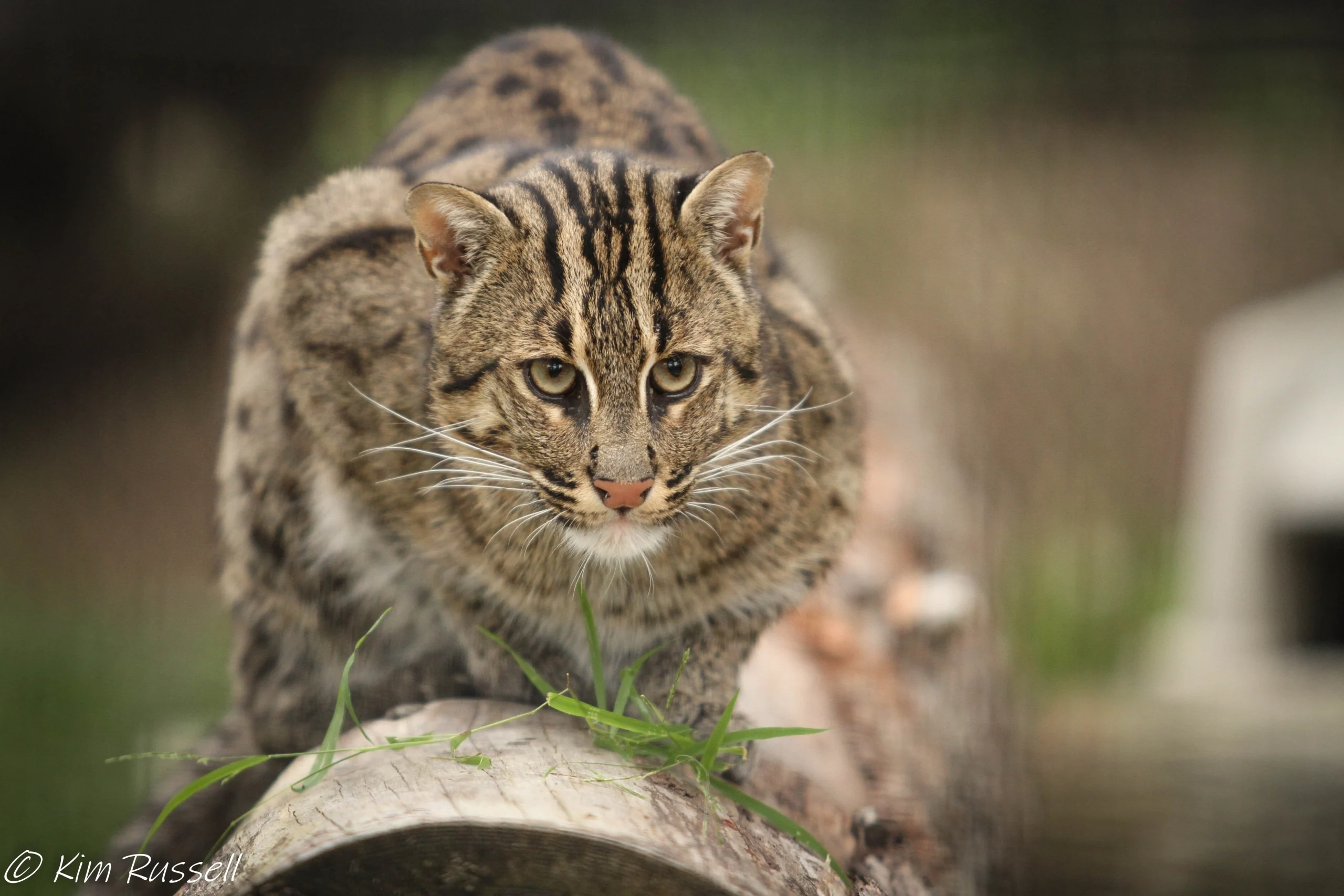
March 3rd marks World Wildlife Day, a global observance dedicated to celebrating and raising awareness about the planet’s diverse array of wild animals and plants. This year, the United Nations has aptly chosen "Partnerships for Wildlife Conservation" as its central theme, underscoring the critical need for collaborative efforts to protect endangered species and their habitats. The urgent message resonates particularly strongly when considering the plight of lesser-known but vital creatures, such as the fishing cat, whose survival hinges on innovative conservation strategies and widespread public engagement.
The Elusive Fishing Cat: A Vulnerable Icon
The fishing cat (Prionailurus viverrinus) is a medium-sized wild cat native to South and Southeast Asia, instantly recognizable by its robust build, short legs, and distinctive markings. Unlike many of its feline relatives, the fishing cat is semi-aquatic, thriving in wetland environments like mangrove swamps, tidal rivers, and coastal areas. Its name is derived from its remarkable hunting prowess in aquatic settings, where it adeptly catches fish, amphibians, and crustaceans. However, this specialized lifestyle makes it exceptionally vulnerable to habitat degradation and loss.
The International Union for Conservation of Nature (IUCN) Red List classifies the fishing cat as "vulnerable," a designation that signals a significant risk of extinction in the wild. Population estimates are scarce due to their elusive nature and preference for remote wetland habitats, but available data suggest a concerning decline across their range. Factors contributing to this decline include the widespread destruction of wetlands for agriculture, aquaculture, urban development, and pollution. Furthermore, human-wildlife conflict, often stemming from competition for resources or retaliatory killings due to livestock predation, poses a significant threat.
Despite their critical conservation status, fishing cats remain largely unknown to the general public. This lack of awareness presents a formidable challenge for conservationists, as public support and engagement are crucial for driving policy changes and funding necessary initiatives. This is where the role of ambassador animals, like River, a six-year-old fishing cat residing at the Hawk Creek Wildlife Center, becomes invaluable.
River: An Ambassador for a Threatened Species
River is more than just a resident of the Hawk Creek Wildlife Center; she is a vital ambassador for her species. Her presence allows thousands of individuals to connect with fishing cats on a personal level, fostering empathy and understanding for the challenges these animals face in their natural habitats. Through educational programs and public encounters, River provides a tangible link to a species that many would otherwise never encounter, let alone comprehend the threats to its existence.
The educational mission of wildlife centers like Hawk Creek is paramount in raising awareness. By showcasing animals like River, they humanize conservation efforts and transform abstract statistics into compelling narratives. This direct interaction often sparks a desire in individuals to contribute to conservation, making them active participants in protecting wildlife.
The Power of Partnerships: A Global Call to Action
The theme of World Wildlife Day 2024, "Partnerships for Wildlife Conservation," highlights a fundamental truth: no single entity can tackle the complex challenges of biodiversity loss alone. Effective conservation requires a multi-faceted approach involving governments, non-governmental organizations, local communities, private landowners, researchers, and the general public.
The collaboration between institutions like Hawk Creek Wildlife Center and specialized conservation groups, such as the Fishing Cat Conservancy, exemplifies this spirit of partnership. The visit of the founder of the Fishing Cat Conservancy to Hawk Creek to meet River underscores the importance of these cross-organizational collaborations. Such meetings facilitate the sharing of knowledge, resources, and best practices, amplifying the impact of individual conservation efforts.
Scientific Insights from Ambassador Animals
The value of ambassador animals like River extends beyond public awareness; they serve as crucial subjects for scientific research. Fishing cats are notoriously difficult to study in the wild due to their elusive nature and their preference for dense, often inaccessible, wetland environments. This inherent difficulty has historically hampered comprehensive research into their behavior, ecology, and population dynamics.
The ability to observe and study River’s movements and her unique fishing techniques provides invaluable data for scientists. By meticulously documenting how she utilizes her paws to catch prey, researchers can gain a deeper understanding of the specific adaptations and skills that fishing cats rely on for survival. This knowledge is not merely academic; it directly informs the development of effective conservation programs. For instance, understanding their dietary preferences and hunting strategies can help in identifying and protecting critical foraging grounds and ensuring the availability of prey species in their natural habitats.
The founder’s observation of River’s paw usage is a prime example of how captive ambassador animals can contribute to scientific understanding. This direct study, even if it involves observing a single individual, can offer insights that are difficult or impossible to obtain in the wild. This information can then be extrapolated to inform conservation strategies for wild fishing cat populations, guiding efforts to mitigate human-wildlife conflict and to design more effective habitat restoration projects.
The Fishing Cat Conservancy: A Model for Action
The Fishing Cat Conservancy is actively engaged in a comprehensive suite of initiatives aimed at securing the future of fishing cats. Their work embodies the spirit of "Partnerships for Wildlife Conservation" through several key strategies:
- Establishment of Nature Preserves: Recognizing that habitat loss is the primary threat, the Conservancy is dedicated to identifying and protecting crucial fishing cat habitats. This involves acquiring land, establishing protected areas, and ensuring these zones are managed effectively to support healthy populations. These preserves serve as vital sanctuaries where fishing cats can breed, hunt, and thrive without the constant pressure of human encroachment.
- Partnerships with Landowners: The Conservancy understands that many critical fishing cat habitats exist on private land. Therefore, they actively engage with landowners to foster cooperative conservation efforts. This can involve providing guidance on sustainable land management practices, offering incentives for habitat preservation, and working collaboratively to mitigate human-wildlife conflict. These partnerships are essential for creating a network of protected areas that extend beyond government-managed reserves, forming a more robust and interconnected landscape for the species.
- Inspiring Change: Beyond tangible conservation actions, the Fishing Cat Conservancy is committed to inspiring broader societal change. This includes public education campaigns, advocacy for stronger wildlife protection policies, and fostering a culture of respect and appreciation for fishing cats and their ecosystems. By raising public awareness and building a strong base of support, they aim to create a groundswell of action that drives long-term conservation success.
The Conservancy’s website, fishcat.org, serves as a central hub for information, offering resources for those interested in learning more, donating, or getting involved in their conservation efforts.
Supporting Conservation Through Donations
The message from Hawk Creek Wildlife Center is clear: donations made on World Wildlife Day directly contribute to Fishing Cat conservation. This highlights the crucial role of financial support in enabling the vital work of organizations dedicated to protecting vulnerable species. These funds are often essential for:
- Habitat Protection and Restoration: Purchasing land, managing protected areas, and undertaking restoration projects to improve degraded habitats.
- Research and Monitoring: Funding field research, camera trapping, and genetic studies to better understand fishing cat populations and their needs.
- Community Engagement and Education: Developing educational materials, conducting outreach programs, and supporting initiatives that foster coexistence between humans and fishing cats.
- Anti-Poaching Efforts: Supporting ranger patrols and efforts to combat illegal hunting and wildlife trafficking.
- Veterinary Care and Rehabilitation: Providing medical attention for injured or sick fishing cats and facilitating their return to the wild when possible.
The success of conservation initiatives is often directly proportional to the resources available. Therefore, public and private financial contributions are indispensable for the long-term survival of species like the fishing cat.
The Broader Implications of Partnerships
The focus on "Partnerships for Wildlife Conservation" for World Wildlife Day carries profound implications for the future of biodiversity. It signals a shift away from siloed approaches towards a more integrated and collaborative model. This is particularly relevant in an era of increasing environmental challenges, including climate change, habitat fragmentation, and the ongoing biodiversity crisis.
The success of conservation efforts for the fishing cat, as exemplified by the work of Hawk Creek and the Fishing Cat Conservancy, serves as a microcosm of the broader challenges and opportunities facing wildlife conservation globally. It demonstrates that by pooling resources, expertise, and passion, diverse stakeholders can achieve significant progress in protecting even the most vulnerable species.
The concept of partnerships extends beyond formal organizations. It encompasses:
- Intergovernmental Cooperation: Nations working together to protect migratory species and shared ecosystems.
- Public-Private Partnerships: Collaboration between governments and corporations to promote sustainable development and conservation.
- Community-Based Conservation: Empowering local communities to become stewards of their natural resources.
- Citizen Science: Engaging the public in data collection and monitoring efforts.
The image of River, the fishing cat, as an ambassador, and the collaboration between her caretakers and the Fishing Cat Conservancy, is a powerful illustration of how individual actions and collective efforts can converge to make a difference. As World Wildlife Day reminds us, the future of our planet’s wildlife depends on our ability to forge strong and effective partnerships, working together to ensure that species like the fishing cat continue to thrive for generations to come. The continued existence of these unique creatures is not just a matter of ecological balance; it is a testament to our collective commitment to preserving the rich tapestry of life on Earth.
