
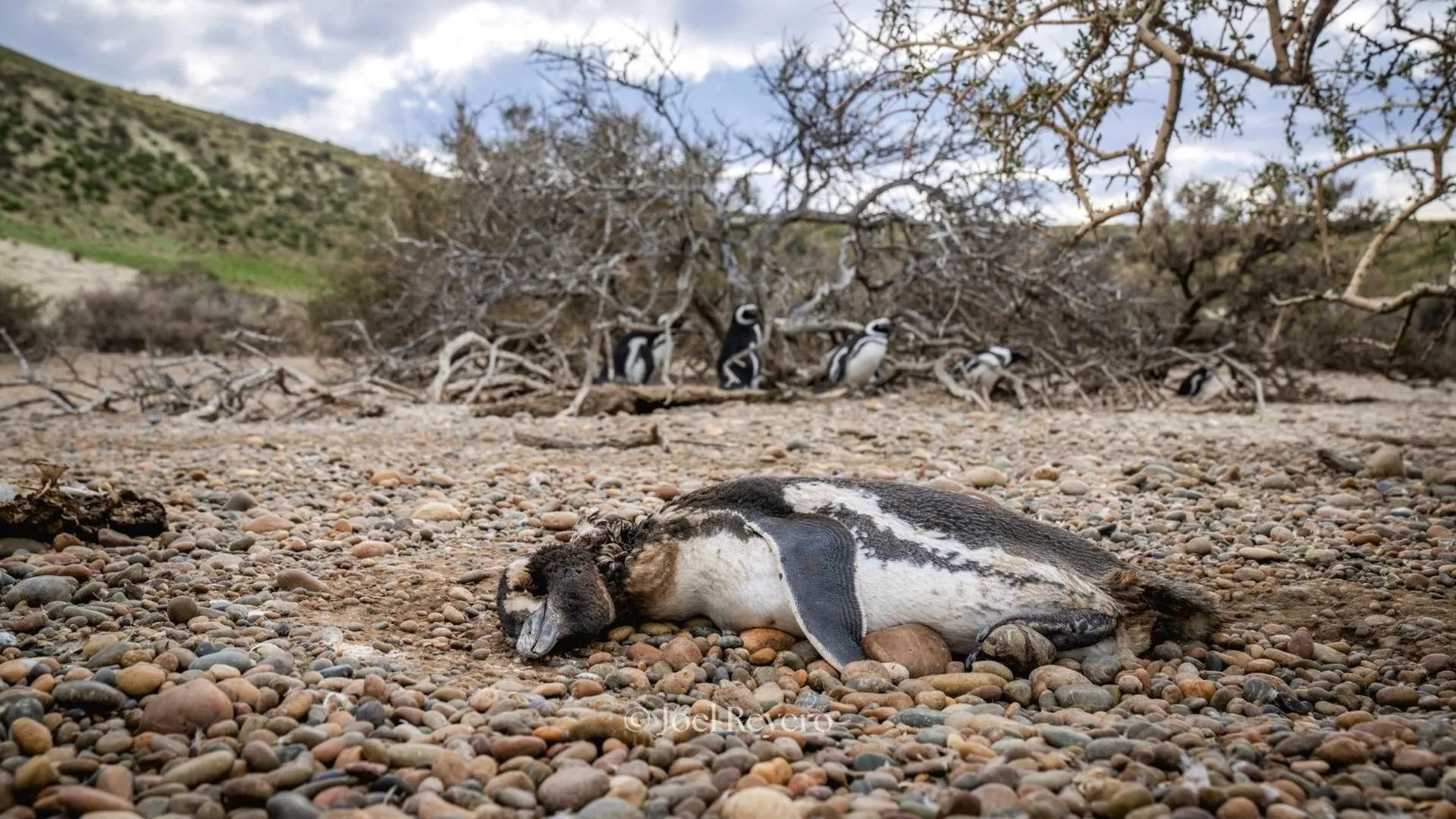
The intricate dance of predator and prey, a cornerstone of healthy ecosystems, is unfolding with unexpected urgency along Argentina’s Patagonian coast, presenting a profound dilemma for conservationists worldwide. At the heart of this evolving challenge lies Monte Leon National Park, a protected area where the successful return of an apex predator, the puma ( Puma concolor), has inadvertently created a new and significant threat to an iconic marine species, the Magellanic penguin ( Spheniscus magellanicus). This situation forces a critical examination of whether conservation efforts should prioritize the re-establishment of one native species if it detrimentally impacts another, particularly within landscapes still healing from decades of human alteration. The dynamic at Monte Leon encapsulates the inherent complexities of restoring ecological balance in a world undergoing rapid environmental and climatic shifts.
A Sanctuary Reborn: The Genesis of Monte Leon National Park
Monte Leon National Park, established in 2004, represents a pivotal achievement in Argentine conservation. Located in the Santa Cruz province, it spans approximately 62,169 hectares of Patagonian steppe and 36,100 hectares of marine environment, encompassing a spectacular stretch of coastline characterized by cliffs, islands, and pristine beaches. Its creation was the culmination of efforts to protect a unique ecosystem where the Patagonian terrestrial environment meets the rich biodiversity of the Atlantic Ocean. Prior to its designation as a national park, much of this land was subject to extensive sheep and cattle ranching for over a century, an activity that drastically reshaped the landscape and its wildlife populations.
The legacy of ranching profoundly altered the region’s ecology. Overgrazing led to significant habitat degradation, impacting native flora and the herbivores that relied upon it. Crucially, the presence of livestock also brought about intense predator control. Pumas, which historically roamed these coastal steppes, were systematically hunted to protect cattle and sheep, leading to their near extirpation from vast areas of their ancestral range. This absence of apex predators had cascading effects throughout the ecosystem, including the removal of a key natural control on herbivore populations and a significant shift in the behavior of other species.
The Return of the Apex Predator: A Conservation Success Story With Unforeseen Consequences
Following the cessation of large-scale cattle ranching in southern Argentina in the early 1990s, the Patagonian landscape began a slow but determined process of ecological recovery. With human pressure on predators diminishing and habitat slowly regenerating, pumas, also known as mountain lions or cougars, gradually commenced recolonizing parts of their historic territories. Their return to Monte Leon and surrounding areas was initially celebrated as a triumph of rewilding – a testament to the resilience of nature and the positive impact of reducing human interference. As an apex predator, the puma plays a crucial role in maintaining ecosystem health, regulating prey populations, and fostering biodiversity through trophic cascades.
However, this celebrated return brought pumas into contact with Magellanic penguins for the first time in modern history. The penguins, which typically nest in dense colonies, had undergone their own significant behavioral shift decades earlier. Historically, Magellanic penguins primarily established their breeding colonies on offshore islands, a natural adaptation that provided safety from terrestrial predators. With the disappearance of pumas and other land predators during the ranching era, a new opportunity arose. Penguins began migrating from these islands to establish large, thriving colonies on the mainland coast, taking advantage of seemingly predator-free nesting sites and potentially easier access to foraging grounds. This adaptation, once a survival advantage, now rendered them acutely vulnerable. Lacking any evolved defenses against large terrestrial carnivores, the penguins became an easy, novel prey source for the returning pumas.
A Chronology of Discovery: Tracking an Emerging Ecological Conflict
The timeline of this ecological interaction highlights the gradual unfolding of an unprecedented challenge:
- Pre-1990s: Decades of extensive cattle and sheep ranching in Patagonia. Pumas are largely absent from coastal mainland areas due to persecution. Magellanic penguins primarily nest on offshore islands, safe from terrestrial predators, though some smaller, more dispersed mainland colonies might exist in truly isolated pockets.
- Early 1990s: The decline and eventual cessation of large-scale ranching operations in much of southern Patagonia. This marks the beginning of passive rewilding, allowing native species to gradually reclaim their former ranges. Pumas begin a slow, natural recolonization process.
- Late 1990s – Early 2000s: Magellanic penguins, finding the mainland coast free of large land predators, increasingly establish and expand significant breeding colonies directly on the Patagonian mainland, including areas that would later become Monte Leon National Park.
- 2004: Monte Leon National Park is officially established, signifying a formal commitment to protecting its unique terrestrial and marine ecosystems. This period also likely coincides with the increasing presence of pumas within the park boundaries, encountering the newly established penguin colonies.
- 2007-2010: This four-year period marks the intensive data collection phase of the seminal study. Researchers from the Centro de Investigaciones de Puerto Deseado of the Universidad Nacional de la Patagonia Austral, working in close collaboration with park rangers from Monte Leon, meticulously monitor penguin colonies, recording carcass counts and identifying signs of puma predation. This marks the first systematic assessment of the scale of this novel interaction.
- Post-2010: Following the initial data collection, the research teams engage in a rigorous process of data analysis and interpretation. This phase includes a crucial partnership with researchers from Oxford University’s Wildlife Conservation Research Unit (WildCRU), bringing advanced ecological modeling and analytical expertise to the project.
- Recent Years: The publication of the study’s findings, revealing the significant impact of puma predation and prompting a re-evaluation of conservation strategies in dynamically recovering ecosystems. Ongoing monitoring by park authorities and researchers continues to track the evolving relationship between pumas and penguins.
The Scientific Investigation: Unveiling the Scale of Predation
The long-term commitment to ecological monitoring within Monte Leon National Park proved invaluable in understanding this emerging challenge. Since the park’s establishment in 2004, dedicated researchers from the Centro de Investigaciones de Puerto Deseado of the Universidad Nacional de la Patagonia Austral, in close partnership with the experienced rangers of Monte Leon National Park, have maintained a vigilant watch over the park’s fragile penguin colonies. Their systematic observations laid the groundwork for a critical scientific inquiry into the impact of the returning pumas.
For the latest study, this local expertise was augmented by a crucial collaboration with international specialists from Oxford University’s Wildlife Conservation Research Unit (WildCRU). This interdisciplinary team embarked on a comprehensive analysis of the accumulated data, focusing on a four-year period from 2007 to 2010, during which detailed records of penguin carcasses linked to puma attacks were meticulously compiled. The methodology involved careful examination of deceased penguins to distinguish puma predation from other causes of mortality, such as natural death, starvation, or other forms of predation. This rigorous approach ensured the accuracy of the predation statistics.
The findings from this collaborative study were stark. Utilizing the extensive carcass counts, the researchers estimated that a staggering total of more than 7,000 adult Magellanic penguins were killed by pumas within the study area during that four-year span. To put this figure into perspective, it represents approximately 7.6% of the adult penguin population within the Monte Leon colony, which was estimated to comprise around 93,000 individuals at the time. This substantial mortality rate immediately raised alarms among conservationists.
A particularly striking observation was that many of the killed penguins were either only partially consumed or left entirely uneaten. This pattern pointed to a phenomenon known in ecology as "surplus killing," where predators kill more prey than they require for immediate sustenance. Melisa Lera, the lead author of the study and a postgraduate student at WildCRU, Oxford University, articulated the gravity of this finding: "The number of carcasses showing signs of predation we found in the colony is overwhelming, and the fact that they were left uneaten means pumas were killing more penguins than they required for food. This is consistent with what ecologists describe as ‘surplus killing’."
Lera further elaborated on the behavior, drawing parallels to more familiar scenarios: "It is comparable to what is seen in domestic cats when prey are abundant and/or vulnerable: ease of capture can lead to cats hunting more birds, even when they do not end up actually eating them. We needed to understand if the penguin colony’s persistence could be threatened due to this behavior." Surplus killing typically occurs when prey are exceptionally abundant, easy to catch, and lack effective anti-predator defenses, creating a scenario where the predator’s hunting drive is easily triggered and sustained beyond immediate caloric needs. This lack of co-evolution between pumas and mainland penguins meant the penguins were essentially naive prey, ill-equipped to evade or deter the large felids.
Beyond Predation: Unpacking the Deeper Threats to Penguin Persistence
While the raw numbers of penguins killed by pumas were alarming, the research team sought to understand the long-term implications for the Monte Leon colony’s viability. To achieve this, they applied sophisticated population models to the collected data. These models are powerful analytical tools that simulate population dynamics over time, allowing scientists to project future trends based on various parameters like birth rates, death rates, and environmental variables.
The results of these population models offered a nuanced perspective: puma predation, while significant, was unlikely to be the sole factor driving the Monte Leon penguin colony to extinction. Instead, the models consistently pointed to other ecological factors as far more influential in determining the colony’s long-term stability. Chief among these were breeding success—the number of chicks successfully raised to fledging per breeding pair—and, critically, the survival rate of juvenile penguins from fledging to adulthood.
Extinction was projected only in highly improbable, hypothetical scenarios where multiple adverse conditions converged. Specifically, the models predicted extinction only if juvenile survival rates plummeted to extremely low levels, with approximately 20% failing to reach adulthood, coupled with severely poor reproductive output, limited to a maximum of just one chick per pair. In such dire, compounded circumstances, high levels of puma predation would undoubtedly exacerbate the decline, accelerating the path towards extinction. However, the models made it clear that predation alone was not the primary catalyst for a catastrophic collapse.
Dr. Jorgelina Marino, a co-author of the study also from WildCRU, Oxford University, underscored the broader significance of these findings. "This study captures an emerging conservation challenge, where recovering carnivores are encountering novel prey," she stated. Her comment highlights a growing trend in conservation, as rewilding initiatives and natural habitat recovery bring once-separated species back into contact, often with unpredictable outcomes. "Understanding how these dietary shifts affect both predators and prey is essential to inform conservation," Marino added, emphasizing the need for a holistic approach that considers the full spectrum of ecological interactions.
Broader Ecological Pressures: The Shadow of Climate Change and Human Impact
The revelation that breeding success and juvenile mortality play such a critical role in the Monte Leon penguin colony’s stability shifts the focus towards the overarching environmental conditions that shape these demographic parameters. The researchers emphatically stressed the urgent need to better understand how a complex web of environmental factors influences penguin reproduction and early-life survival.
Foremost among these factors is climate change. The Patagonian coast, like many other marine ecosystems globally, is highly susceptible to the impacts of a warming planet. Key variables such as nutrient availability, the overall food supply (primarily small fish like anchovies and sardines), and ocean temperatures are all known to be profoundly influenced by climate change. Changes in ocean currents can alter upwelling zones, disrupting the base of the marine food web. Warming waters can push preferred prey species into different ranges, forcing penguins to travel farther for food, increasing energetic costs and reducing provisioning rates for chicks. More frequent and intense extreme weather events, such as heatwaves or severe storms, can devastate nesting colonies, leading to increased chick mortality and reduced breeding success. These climate-induced stressors directly impact the very factors that the population models identified as most critical for the Monte Leon colony’s future.
Beyond climate change, other human-induced pressures continue to exert a toll on Magellanic penguins and their marine environment. Overfishing in regional waters can deplete the very fish stocks that penguins rely upon, creating competition between industrial fisheries and marine wildlife. Marine pollution, including plastic waste and oil spills from shipping traffic, poses direct threats through ingestion, entanglement, and habitat degradation. These pervasive human impacts, combined with the novel predation pressure from pumas, create a multi-faceted challenge for the long-term survival of the Magellanic penguin population.
A Global Phenomenon: Similar Conflicts in Recovering Ecosystems
The ecological quandary at Monte Leon is not an isolated incident but rather a microcosm of a broader, emerging trend in global conservation. As efforts to restore degraded ecosystems gain momentum and native wildlife populations rebound, interactions between species that have been historically separated by human activity are becoming increasingly common, often with unexpected outcomes. Mainland seabird colonies and other coastal species, in particular, are finding themselves vulnerable as land predators adapt and expand into coastal environments.
One prominent example can be found along the Georgia coast in the southeastern United States. Here, non-native feral hogs ( Sus scrofa), an invasive species, have become major predators of loggerhead sea turtle ( Caretta caretta) eggs. These highly adaptable omnivores, with their keen sense of smell, are adept at locating and excavating turtle nests, leading to significant destruction of clutches and posing a serious threat to the recovery of this endangered sea turtle species. Management strategies involve intensive trapping and removal efforts, as well as protective caging of nests, highlighting the resource-intensive nature of mitigating such conflicts.
Similarly, in eastern North America, coyotes ( Canis latrans), a highly adaptable canid, have expanded their range significantly, including onto coastal barrier islands. These islands are crucial nesting grounds for various ground-nesting birds and provide vital habitat for other coastal wildlife. The arrival of coyotes alters these sensitive ecosystems, introducing a new level of predation pressure on species that may not have evolved strong anti-predator defenses against them, leading to declines in vulnerable bird populations and shifts in ecological dynamics.
Further afield, the reintroduction of dingoes in parts of Australia has led to complex ecological responses, including predation on vulnerable native marsupials in areas where dingoes had been absent. Even the celebrated reintroduction of wolves to Yellowstone National Park, while largely hailed as a success for ecosystem restoration, has necessitated ongoing monitoring and adaptive management to navigate their impact on elk populations and other species. These examples underscore the universal truth that ecosystem recovery is a dynamic, often unpredictable process, demanding continuous scientific investigation and flexible management approaches.
Charting a Path Forward: Adaptive Management and Continuous Vigilance
The complex interplay of puma predation, critical demographic factors, and broader environmental pressures at Monte Leon National Park underscores the imperative for a robust and adaptive conservation strategy. The authors of the study unequivocally stress that ongoing monitoring is not merely beneficial but absolutely essential. This continuous vigilance is crucial to detect early signs of population decline in the penguin colonies and to inform management decisions proactively, before irreversible ecological damage occurs.
For Monte Leon National Park authorities, this means maintaining a multifaceted monitoring program. This involves not only tracking the Magellanic penguin population – including colony size, breeding success rates, and juvenile survival – but also closely observing the puma population dynamics, their movements, and their foraging behavior. Understanding the health and abundance of both predator and prey is fundamental to making informed decisions.
Adaptive management, a systematic process of improving management policies and practices by learning from the outcomes of implemented programs, will be key. Should the balance shift, and puma predation begin to exert a more significant, detrimental impact on penguin populations in conjunction with other stressors, park managers may need to consider a range of potential interventions. These could include non-lethal deterrence measures, such as strategically placed fencing around highly vulnerable nesting areas, though the practicality and scalability of such interventions in a large national park context would need careful evaluation. Another avenue might involve habitat modification to make certain areas less accessible or appealing to pumas, or even exploring methods to enhance penguin resilience to predation.
Ultimately, the long-term viability of the Monte Leon penguin colony and the broader ecological integrity of the park hinge on an integrated approach. This involves not only addressing immediate, localized challenges but also advocating for and participating in broader efforts to mitigate global threats such as climate change, overfishing, and marine pollution. Collaborations between scientific institutions, national park authorities, local communities, and international conservation organizations will be vital in sharing knowledge, pooling resources, and developing innovative solutions.
Conclusion: A Testament to Ecological Complexity
The situation at Monte Leon National Park serves as a powerful testament to the intricate and often unpredictable nature of ecological recovery. It highlights that conservation is rarely a straightforward endeavor of simply removing human impact; rather, it often involves navigating complex and dynamic interactions that emerge as ecosystems heal and species re-establish themselves. The return of the puma, a victory for rewilding, has unveiled a new vulnerability for the Magellanic penguin, creating a compelling conservation paradox.
The scientific insights from the collaborative study offer a critical pathway forward. By identifying that breeding success and juvenile survival are the most influential factors for penguin persistence, the research redirects attention to the underlying environmental conditions, particularly those influenced by climate change, that govern these demographic rates. While puma predation is a significant and visible threat, it appears to be a secondary driver, exacerbating problems rather than initiating them.
As Monte Leon National Park authorities and researchers continue their dedicated work, they are not just managing a local wildlife conflict; they are contributing invaluable lessons to the global conservation community. Their efforts exemplify the need for long-term monitoring, interdisciplinary collaboration, and adaptive management strategies that are flexible enough to respond to the ever-changing realities of our planet’s recovering, yet still fragile, ecosystems. The challenge at Monte Leon is a poignant reminder that achieving true ecological balance requires a deep understanding of interconnectedness and a sustained commitment to protecting all facets of biodiversity.
