
The global effort to safeguard vital wetland ecosystems is entering a crucial phase as the Standing Committee of the Ramsar Convention on Wetlands convenes for its 67th meeting (SC67) this week in Switzerland, on the picturesque shores of Lake Geneva. This intersessional gathering, the first since the landmark 15th Conference of the Parties (COP15) in Zimbabwe, serves as a critical platform for maintaining the momentum generated by the Victoria Falls Declaration and ensuring sustained progress in wetland conservation, restoration, and wise use.
The Ramsar Convention, an international treaty for the conservation and wise use of wetlands, operates on a triennial COP cycle. The last COP, held in July 2025 beside the magnificent Victoria Falls—itself a designated Wetland of International Importance—underscored the irreplaceable value of these ecosystems for people, nature, and the climate. While COPs garner significant global attention for their high-level political commitments and the adoption of resolutions, the Standing Committee meetings, held between these major conferences, are instrumental in translating those commitments into tangible action. With the next COP scheduled for June 2028 in Panama, SC67 is particularly vital for reviewing progress, strengthening accountability mechanisms, facilitating the sharing of knowledge and tools, and deepening partnerships necessary for effective implementation.
Maintaining Momentum in the Inter-COP Years
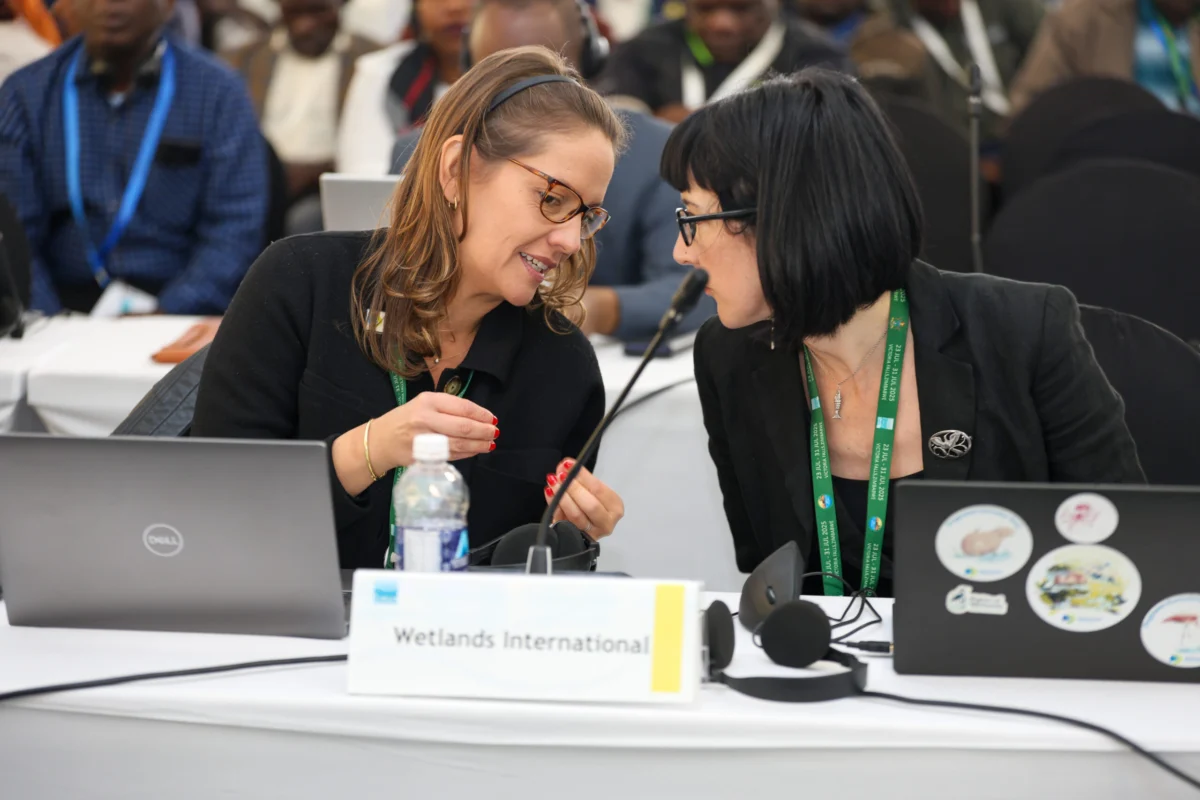
The period between Ramsar COPs is a critical window for action. Laura MacKenzie, Senior Advocacy Officer at Wetlands International, emphasized this point, stating, "Unlike the higher-profile climate COPs that take place every year, the next wetlands COP won’t be until June 2028. This makes these in-between meetings especially important for maintaining momentum, reviewing progress, strengthening accountability, sharing tools, and deepening partnerships for delivery." Wetlands International, a key partner of the Convention, is actively participating in SC67 alongside the other five International Organisation Partners: Birdlife International, IUCN, the International Water Management Institute, WWF, and the Wildfowl and Wetlands Trust. Their collective efforts are geared towards ensuring that the ambitious goals set at COP15 are not only understood but actively pursued at national, regional, and global levels.
The SC67 meeting is specifically focused on the implementation of the new goals and targets adopted at COP15. These objectives are designed to drive transformative change in wetland protection, restoration, and wise use through to 2035. A central theme is the urgent need to accelerate efforts to tackle the primary drivers of wetland loss. These include the pervasive impacts of climate change, unsustainable agricultural practices, poorly planned infrastructure development, rapid urbanization, pollution, and the proliferation of invasive non-native species. The resolutions from COP15 represent a roadmap for addressing these multifaceted threats, and the Standing Committee is tasked with monitoring their translation into policy and practice.
Wetlands International’s Strategic Priorities at SC67
Wetlands International is approaching SC67 with a clear set of five strategic priorities, aiming to contribute significantly to the Convention’s ongoing work and to highlight the critical role of wetlands in achieving broader environmental goals.
Demonstrating Support for COP15 Resolutions
A core focus for Wetlands International is to clearly demonstrate how its strategic initiatives align with and support the resolutions adopted at COP15. This includes showcasing the congruence between the organization’s new strategy and the Convention on Wetlands’ 5th Strategic Plan. The organization will detail how its on-the-ground projects in wetland landscapes worldwide contribute to key COP15 outcomes. These encompass the conservation and restoration of waterbird flyways and critical sites, vital for migratory species. Furthermore, Wetlands International will highlight its role in the restoration of degraded freshwater ecosystems, particularly through the Freshwater Challenge initiative. The designation and effective management of wetlands as protected areas or Other Effective Area-Based Conservation Measures (OECMs) will also be a key discussion point, emphasizing their contribution to the Global Biodiversity Framework’s target of protecting 30% of the planet’s land and sea by 2030.
Contributing to Technical and Scientific Endeavors
The organization will also provide updates on its contributions to the essential technical and scientific work that underpins effective wetland management. This includes efforts in site designation and management, such as the Geowetlands earth observation initiative, which leverages satellite data for monitoring wetland extent and health. The Global Waterbirds Estimates Partnership, another area of focus, provides crucial data for understanding bird populations and their habitat needs, informing conservation strategies. These technical contributions are fundamental to building a robust scientific basis for wetland conservation actions.
Integrating Wetland Values into Finance and Economic Policy
A significant concern for Wetlands International is the persistent undervaluation of wetlands in economic and financial decision-making. Citing recent reports, such as the IPBES business and biodiversity assessment and UNEP’s State of Nature Finance report, which highlight the stark reality that for every dollar invested in protecting nature, thirty dollars are spent destroying it, the organization will advocate for greater progress in incorporating the true value of wetlands into financial and economic policies. This includes sharing practical examples of progress and spotlighting areas where wetland safeguards are being undermined. The recent weakening of laws protecting glacier areas in the High Andes, which poses a significant threat to wetlands and regional water security due to potential lithium mining, and the proposed dilution of the EU Water Framework Directive are presented as serious causes for concern, underscoring the urgent need for policy reform.
Building Momentum Behind Transformative Ideas
Wetlands International is also keen to build momentum behind innovative and transformative solutions for wetland conservation. This includes exploring support for a potential new draft resolution on the "rights of wetlands," building upon the precedent set by the IUCN resolution on the rights of rivers. Furthermore, the organization will share success stories from initiatives like the Freshwater Challenge, Mangrove Breakthrough, and Peatland Breakthrough. These collaborative efforts bring together governments, NGOs, the private sector, and financial institutions to accelerate wetland conservation and restoration. By encouraging more governments to join these voluntary global initiatives, Wetlands International aims to enhance the mainstreaming of wetland action into national targets and plans, thereby boosting efforts to meet climate, biodiversity, water security, and sustainable development goals.
Championing Multilateralism for Water and Wetland Action
The importance of multilateralism as a cornerstone for delivering effective water and wetland action will be a central theme. The year 2026 has already seen positive developments, including decisions on flyways, connectivity, and migratory wetland species adopted at the Convention on Migratory Species COP15 in Brazil, alongside the Pantanal Declaration, which championed the central role of wetlands in biodiversity conservation, climate regulation, water security, and community livelihoods. SC67 provides an opportunity to outline how this positive trajectory can be maintained by ensuring wetlands are prioritized as critical watery interconnectors at upcoming Rio Convention COPs and the UN Water Conference.
Looking Ahead to COP16 in Panama
A highly anticipated agenda item at SC67 will be the update from Panama on its preparations for hosting the Convention on Wetlands COP16 in Panama City in June 2028. Following Zimbabwe’s successful presidency at COP15, which saw significant championing of wetlands, Panama faces the challenge of building on that momentum. Panama’s demonstrated global leadership in nature conservation, particularly concerning wetlands, offers a promising outlook for the next COP. With a presence in the country, Wetlands International is committed to supporting Panama in leveraging the current global attention on wetlands to further accelerate worldwide wetland action.
The Standing Committee meeting in Switzerland is more than a procedural gathering; it is a vital mechanism for ensuring that the global commitment to wetlands, so powerfully articulated at COP15, translates into enduring, positive change for these critical ecosystems and the millions of people and species that depend on them. The discussions and decisions made this week will undoubtedly shape the future of wetland conservation efforts for years to come.
