
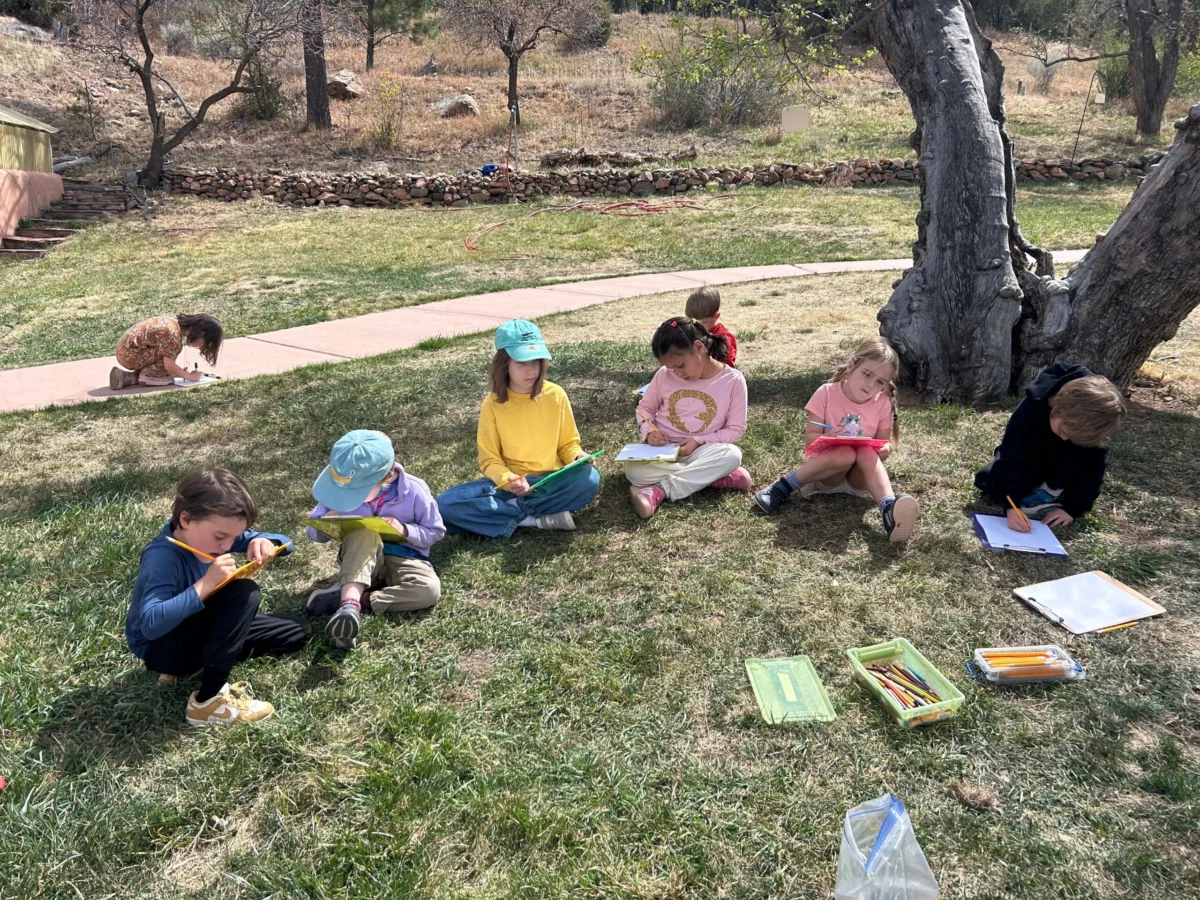
The Randall Davey Audubon Center concluded its highly successful Spring Break Camp for 2026, a week-long immersive program that saw campers aged 5-12 engage deeply with the natural world. Held amidst the distinctive Pinyon Juniper Woodland and vibrant Wildlife Garden, the camp provided a dynamic blend of outdoor exploration, scientific learning, and creative activities, all underscored by the rhythmic sounds of nature, from the distinct hum of Broad-tailed Hummingbirds to the distant rumble of spring thunder. The program, a cornerstone of the Center’s educational outreach, exemplified the Audubon Society’s commitment to fostering environmental stewardship among the next generation, providing a vital opportunity for young individuals to connect with local ecosystems and develop a profound appreciation for biodiversity.
A Week of Discovery in the Heart of Nature
The 2026 Spring Break Camp itinerary was meticulously designed to offer a holistic and hands-on experience. Each day presented new opportunities for campers to explore the diverse habitats within the Randall Davey Audubon Center’s expansive grounds. Hiking through the Pinyon Juniper Woodland, a characteristic ecosystem of the American Southwest, allowed children to observe the unique adaptations of flora and fauna to arid environments. These guided treks focused on sensory engagement, encouraging campers to identify different plant species, listen for the calls of hidden birds, and understand the intricate web of life sustained by these resilient trees. The educational emphasis during these hikes included discussions on the ecological importance of pinyon pines and juniper trees, their role in providing food and shelter, and the impact of environmental changes on these sensitive woodlands.
The Wildlife Garden, a cultivated haven designed to attract local species, served as an interactive classroom for birding activities. Campers learned fundamental bird identification techniques, including visual recognition, understanding bird behavior, and distinguishing different bird calls. Equipped with binoculars and field guides, they eagerly sought out resident and migratory species. The Nature Discovery Area, a specially designated zone for unstructured play and observation, further facilitated spontaneous learning and imaginative engagement with the environment. Here, children were encouraged to build natural shelters, track animal signs, and simply exist within nature, allowing their innate curiosity to guide their explorations. This balance between structured learning and free play is a pedagogical approach recognized for its effectiveness in developing critical thinking and problem-solving skills in young learners.
Fostering Mentorship and Community Engagement
A notable aspect of the 2026 camp was the integrated role of returning and older campers in mentoring their younger peers. This tiered participation model not only provided older children with opportunities to develop leadership and communication skills but also created a strong sense of community within the camp. These seasoned participants assisted staff in various capacities, from guiding nature walks to helping organize craft sessions. A particularly engaging example of this mentorship was observed during the "Camouflage" game, a favorite camp activity designed to teach observation skills and an understanding of natural concealment. Older campers took the lead in teaching the rules and strategies, demonstrating how animals blend into their surroundings, thereby reinforcing ecological concepts through play. This intergenerational learning dynamic is crucial for building confidence and fostering a supportive environment where every camper feels valued and connected.
The direct encounters with local wildlife further enriched the campers’ experience. Throughout the week, participants observed a variety of species, including the highly intelligent Ravens, the agile Mountain Chickadees, and the graceful deer that frequently visit the Center, drawn by the emerging spring buds and new growth. These close-up observations provided tangible lessons in animal behavior, habitat requirements, and the delicate balance of ecosystems. Such interactions are invaluable in cultivating empathy and a sense of responsibility towards wildlife, transforming abstract conservation concepts into personal, memorable experiences.
Creative Expression and Scientific Inquiry
Beyond physical exploration, the Spring Break Camp emphasized creative expression and scientific inquiry through a range of hands-on activities. Campers engaged in crafting nature journals, an activity that encouraged careful observation and documentation of their discoveries, fostering early scientific recording skills. Birdy bookmarks, adorned with local species, served as a creative outlet while reinforcing bird identification. The introduction to cyanotypes, an early photographic printing process that uses sunlight to create images, allowed children to experiment with light, shadow, and natural objects, producing unique artistic interpretations of their surroundings. This blend of art and science underscored the interconnectedness of different disciplines in understanding the natural world.
Educational sessions also covered foundational ecological topics. Campers learned about animal tracks, deciphering the stories left behind by various creatures, and developing skills in tracking and identification. Bird ID lessons were expanded upon, teaching children to recognize common species by sight and sound, while discussions on pollinators highlighted their critical role in plant reproduction and ecosystem health. A dedicated "habitat day" saw children crafting a "bevy of pom-pom caterpillars" and designing miniature habitat diorama homes for them, complete with willow branches for perching and construction paper leaves for sustenance. This activity provided a creative and tangible way to understand the components of a habitat and the needs of its inhabitants.
The Ecology of Discovery: Cryptobiotic Soil and Petrichor
The unique environmental conditions during the camp week, particularly the occurrence of much-needed rain, presented an extraordinary educational opportunity. Campers observed the rejuvenation of green desert mosses dotting the center grounds, a vivid demonstration of nature’s resilience. This led to engaging discussions about cryptobiotic soil, a fragile crust formed by living organisms that plays a vital role in desert ecosystems by preventing erosion, retaining moisture, and contributing to soil fertility. Understanding this delicate biological layer instilled in campers a deeper appreciation for the intricate and often unseen elements that sustain arid landscapes.
The rain also brought with it the distinct aroma of petrichor, the earthy scent produced when rain falls on dry soil. This sensory experience provided a springboard for explaining the scientific phenomenon behind the smell, involving plant oils and bacterial spores. Such moments of direct engagement with natural processes, combining sensory input with scientific explanation, create lasting educational impressions and foster a deeper connection to the environment. Parents reported that their children returned home not only with tales of adventure but also with newfound scientific vocabulary and an ignited curiosity, describing their campers as "budding scientists." This feedback underscores the camp’s success in sparking a lifelong interest in science and nature.
The Broader Mission of the Audubon Society
The Randall Davey Audubon Center Spring Break Camp is a microcosm of the larger mission of the National Audubon Society. Founded in 1905, the Audubon Society has been a prominent force in bird conservation and environmental protection for over a century. Its work encompasses scientific research, advocacy, education, and on-the-ground conservation efforts. The Randall Davey Audubon Center, located in Santa Fe, New Mexico, plays a crucial role in this mission by focusing on local conservation issues, providing community education, and serving as a sanctuary for wildlife. The Center itself is steeped in history, having once been the home and studio of artist Randall Davey, who bequeathed his property to Audubon, envisioning it as a place where art and nature could inspire conservation.
The camp directly supports Audubon’s strategic goals by engaging youth in hands-on conservation. Studies consistently show that early childhood experiences in nature are critical for developing environmental literacy and a sense of stewardship. Children who spend time outdoors are more likely to grow into adults who value and protect natural environments. Furthermore, nature-based education has been linked to improved academic performance, enhanced creativity, reduced stress levels, and better physical health. The Spring Break Camp, therefore, is not merely a recreational activity but a significant investment in the ecological future, cultivating a generation equipped with the knowledge and passion to address pressing environmental challenges.
Educational Outcomes and Societal Implications
The success of the 2026 Spring Break Camp carries significant implications for environmental education and community building. By offering an accessible and engaging program during a critical school break, the Randall Davey Audubon Center provides a valuable resource for families and contributes to the overall well-being of the community. The positive feedback from parents, noting their children’s increased scientific curiosity and enjoyment, serves as a powerful testament to the program’s effectiveness. These "budding scientists" represent the future of environmental advocacy and research, individuals who will carry forward the lessons learned about biodiversity, ecological balance, and sustainable living.
The camp’s emphasis on mentorship also has broader societal benefits. By empowering older campers to guide younger ones, the program fosters leadership, empathy, and social responsibility. These skills are transferable beyond the natural setting, preparing children to become engaged and responsible citizens in all aspects of their lives. In an increasingly urbanized and technologically driven world, programs like the Spring Break Camp offer a vital counterbalance, reconnecting children with the fundamental rhythms and wonders of the natural world.
Looking ahead, the Randall Davey Audubon Center remains committed to expanding its educational outreach and continuing to serve as a beacon for conservation in the Southwest. The success of the 2026 Spring Break Camp reinforces the importance of experiential learning and direct engagement with nature as foundational elements for fostering a generation of environmentally conscious individuals. The Center’s ongoing community building and education programs are crucial components in ensuring that the beauty and ecological richness of the region are understood, appreciated, and protected for generations to come. Information regarding these vital programs and opportunities for community involvement can be found on the Audubon Southwest website, encouraging broader participation in these impactful initiatives.
