

Backyard bird feeding has evolved from a simple agrarian pastime into a multi-million-dollar hobby enjoyed by millions of households across North America. For many nature enthusiasts, maintaining a network of seed tubes, suet cages, and nectar stations offers a vital connection to local wildlife, transforming suburban yards into thriving avian habitats. However, this well-intentioned ecological hospitality frequently comes with a frustrating caveat: uninvited guests. As urban sprawl encroaches on natural green spaces and changing climates alter wildlife foraging patterns, backyard bird feeders are increasingly viewed by squirrels, raccoons, and dominant bird species as an uninterrupted, high-calorie buffet. When these populations overwhelm feeding stations, homeowners find themselves locked in a perennial struggle between supporting local wildlife and protecting their investments in landscaping and bird feed.
The phenomenon of backyard wildlife conflict is not merely a modern nuisance; it represents a complex intersection of urban ecology, animal behavior, and human recreation. According to wildlife management experts and ornithological researchers, the escalation of feeder conflicts typically begins in the early spring and peaks during the lean winter months. During these critical windows, animals expend substantial energy foraging, making easily accessible birdseed an irresistible target.
Understanding the behavioral ecology of these visitors is the first step toward establishing a harmonious backyard ecosystem. Squirrels, which belong to the rodent family Sciuridae, possess extraordinary cognitive abilities, exceptional agility, and spatial memory that allow them to overcome poorly designed physical barriers. Similarly, certain avian species—often colloquially termed "nuisance birds"—exhibit aggressive flocking behaviors that monopolize feeders, depleting resources before preferred songbirds can even approach.
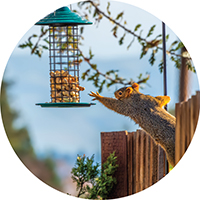
To address these escalating challenges, wildlife specialists and retail experts have developed a comprehensive suite of mechanical, dietary, and architectural solutions. Rather than abandoning the hobby out of frustration, property owners can employ targeted mitigation techniques that restore order to their yards without harming local fauna.
The Anatomy of Squirrel Deterrence: Physics and Placement
Squirrels are among the most persistent adversaries in backyard bird feeding. Their physical capabilities—jumping distances of up to ten feet horizontally and leaping four to five feet vertically—allow them to breach standard hanging stations with ease. Consequently, modern wildlife management emphasizes strict adherence to the "Squirrel Rule," a set of spatial guidelines rooted in animal biomechanics.
The most effective physical defense for pole-mounted systems is the stovepipe baffle. These smooth, cylindrical metal guards, when installed correctly, present an impassable barrier. For a stovepipe baffle to function as intended, it must be positioned on a vertical pole system at least five feet above ground level. Furthermore, the entire pole assembly must be situated a minimum of ten feet away from overhanging tree branches, fences, deck railings, or any other launchpad from which a squirrel might bridge the gap. When these spatial parameters are maintained, the squirrel’s momentum and claws find no purchase on the slick metal surface, effectively neutralizing the threat.
For feeders suspended from tree branches where ground-level baffling is impossible, alternative engineering is required. Standard tube or hopper feeders can be retrofitted with a domed, wide-diameter hanging baffle placed directly above the feed port. This dome creates an impenetrable overhead shield that prevents squirrels from sliding down the suspension wire or chain.

An increasingly popular architectural intervention is the exclusion cage. By encasing a standard feeder within a heavy-duty wire mesh cage, homeowners can create a selective barrier. The dimensions of the cage openings are specifically calibrated to allow smaller, agile songbirds—such as titmice, chickadees, and finches—to slip inside while physically blocking bulkier rodents and larger, aggressive birds.
Managing Avian Dominance: The Nuisance Bird Dilemma
While mammals often receive the lion’s share of the blame, the composition of the visiting bird population can be equally problematic. "Nuisance birds"—a designation that typically includes house sparrows, European starlings, and common grackles—frequently arrive in large, aggressive flocks. Their sheer numbers and assertive feeding habits intimidate smaller, desirable species while rapidly depleting expensive seed inventories.
Ornithological data indicates that managing avian demographics at backyard stations relies heavily on dietary selection rather than exclusion alone. Many nuisance species exhibit distinct nutritional preferences that can be exploited by the feeder operator. For instance, commercial seed blends frequently contain high percentages of cracked corn and white proso millet. While cost-effective, these grains act as a magnet for blackbirds, sparrows, and doves.
To alter the demographic makeup of feeder visitors, specialists recommend transitioning to specialized seed varieties. Safflower seed is widely regarded as a cornerstone of nuisance-free feeding. While cardinals, grosbeaks, and titmice readily consume safflower, its hard outer shell and bitter taste make it unpalatable to blackbirds, grackles, and squirrels. Similarly, offering pure, rendered suet cakes rather than complex suet blends with added grains can deter starlings while continuing to attract insectivorous species such as woodpeckers, nuthatches, and wrens.
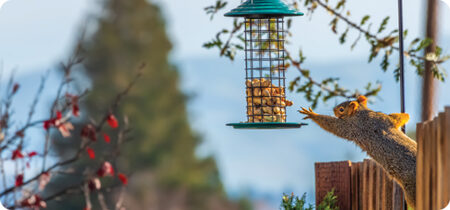
In addition to dietary modifications, feeder engineering plays a pivotal role in avian management. Weight-sensitive mechanisms have revolutionized modern feeder design. These devices feature a calibrated spring-loaded perch or port shroud. When a heavier bird—such as a pigeon, jay, or starling—land on the perch, the weight triggers the port to close, physically blocking access to the seed. Once the heavier bird departs, the port reopens for lighter songbirds. Furthermore, feeders with extremely short perches or those designed for clinging rather than perching favor agile, smaller species while confounding larger competitors.
Industry Response and Expert Guidance
As the backyard bird feeding sector continues to grow, industry leaders have stepped up efforts to educate consumers on sustainable, humane wildlife management. Organizations such as Wild Birds Unlimited (WBU Inc.), the largest franchise system of backyard bird feeding and nature specialty stores in North America with over 350 locations across the United States and Canada, have placed significant emphasis on educational outreach.
Industry specialists emphasize that managing backyard wildlife is not about exclusion through hostility, but rather about engineering a balanced ecosystem that accommodates desired species while outsmarting opportunistic foragers. Through resources such as certified in-store specialists and educational media platforms—including the Nature Centered Podcast—industry experts advocate for a multi-layered approach that combines proper feeder placement, physical baffling, and strategic food selection.
Corporate representatives note that consumer inquiries regarding critter management peak seasonally, corresponding with reproductive cycles when wildlife nutritional demands are highest. By addressing these challenges proactively through standardized best practices, homeowners can mitigate property wear-and-tear while ensuring a safe, abundant environment for local wildlife.

Broader Implications for Suburban Biodiversity
The management of backyard feeders extends far beyond the immediate satisfaction of keeping squirrels away from sunflower seeds. In an era of rapid urbanization and habitat fragmentation, backyard feeding stations serve as vital micro-habitats that support local biodiversity. However, poorly managed feeding stations can inadvertently create ecological traps. Unprotected feeders that attract high densities of rodents and aggressive birds can alter local predator-prey dynamics, increase the spread of avian diseases through unsanitary feeding surfaces, and create unnaturally high dependency on human-provided resources.
Consequently, the adoption of professional-grade baffles, exclusion cages, and selective feeding strategies carries broader ecological benefits. By deterring invasive or hyper-abundant species, homeowners help level the playing field for native, declining migratory songbird populations. Furthermore, maintaining clean, well-regulated feeding environments reduces the transmission of pathogens such as Mycoplasma gallisepticum (house finch eye disease) and trichomoniasis, which thrive in crowded, contaminated feeding zones.
Ultimately, the battle for the backyard is an ongoing negotiation between human recreation and natural wildlife behavior. By implementing evidence-based solutions—ranging from strategically placed stovepipe baffles and dome shields to safflower seed transitions and weight-sensitive ports—nature enthusiasts can successfully reclaim their feeding stations. This balanced approach ensures that backyard feeding remains an enriching, educational, and sustainable pastime for generations to come, fostering a deeper appreciation for the delicate balance of suburban ecosystems.
