
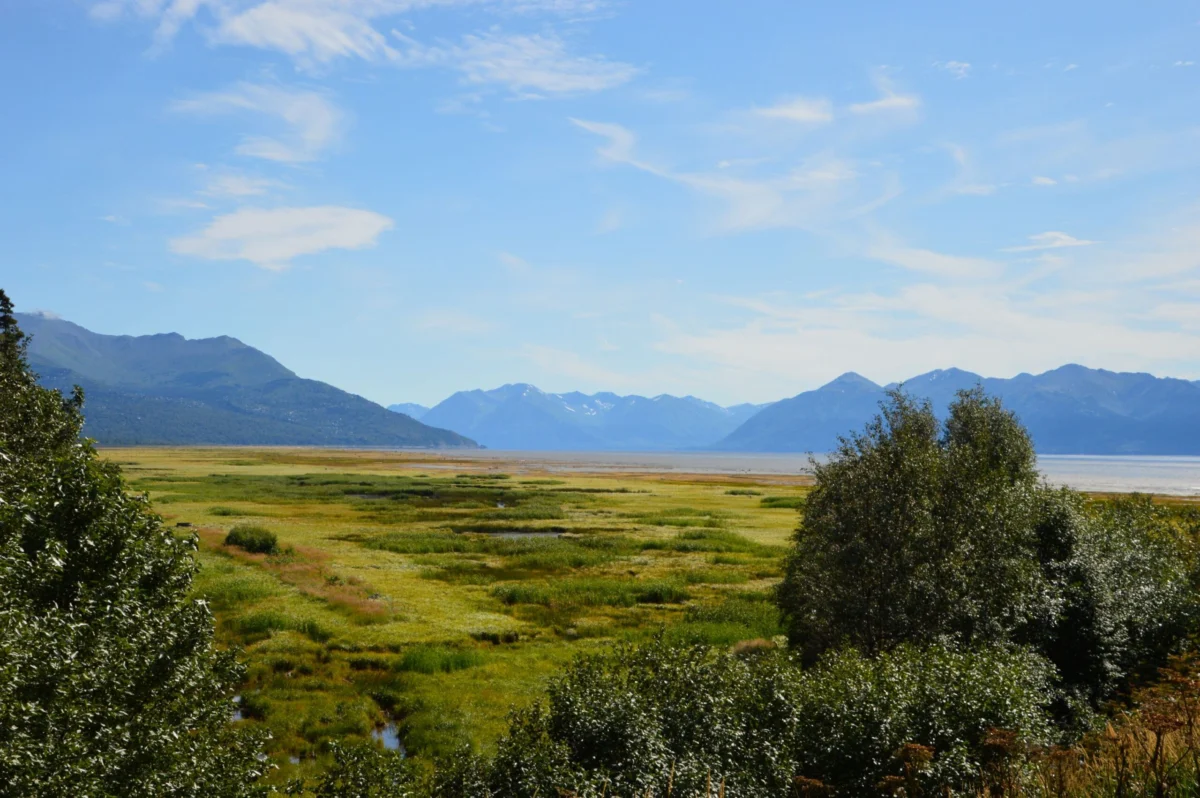
Audubon Alaska, in collaboration with numerous partners, has officially launched the Anchorage Birding Trail, a comprehensive virtual guide designed to celebrate the diverse avian life, critical habitats, and natural beauty across the Anchorage Bowl. This initiative marks the latest expansion of Audubon Alaska’s ambitious statewide Alaska Birding Trails program, which has successfully established similar resources in Southeast Alaska and the Arctic community of Utqiaġvik. The Anchorage trail is poised to transform how both residents and visitors engage with the region’s rich natural heritage, offering a meticulously curated collection of 35 birding sites stretching from the tranquil waters of Whittier to the majestic peaks of the Chugach Mountains, encompassing iconic locations like Westchester Lagoon.
This groundbreaking resource is meticulously crafted to be inclusive and informative, providing clear, concise details for each featured site. Users will find essential practical information such as parking availability, restroom access, and any associated fees, alongside critical access notes to ensure safe and enjoyable outings for birders of all experience levels. A distinctive and invaluable feature of the trail is the inclusion of Indigenous place names, recognizing and honoring the deep historical and cultural connection of Alaska Native peoples to these lands and their ecosystems. High-quality imagery further enhances the user experience, offering a visual preview of each destination and its characteristic birdlife. The overarching goal is to demystify birding, making it welcoming for seasoned ornithologists and curious newcomers alike, fostering a deeper appreciation for Alaska’s unique avian populations.
The development of the Anchorage Birding Trail has been a collaborative endeavor, drawing upon the extensive knowledge and dedication of various organizations and individuals. Key partners include the Anchorage Audubon Society and the Anchorage Park Foundation, whose local expertise has been instrumental in identifying and documenting the region’s prime birding locations. "Thomas R. Dunlap wrote ‘Birding is easy to begin and impossible to master’," remarked Mr. Whitekeys, president of the Anchorage Audubon Society, a sentiment that resonates deeply with the trail’s mission. "The Anchorage Birding Trail won’t make you a master, but it’ll get you closer than you are today," he added, emphasizing the trail’s role as an entry point into the captivating world of birdwatching. Complementing the trail’s launch, an updated "Birds of Anchorage, Alaska" species checklist has also been published, providing a definitive guide to the area’s avian inhabitants. This checklist benefits from the profound expertise of renowned Alaska birders, including Mr. Whitekeys, Andy Bankert, Pat Pourchot, and Thede Tobish, whose collective insights ensure its accuracy and comprehensiveness.
Thede Tobish, recognized by Alaska Public Media as one of "Alaska’s top birders," underscored the dual benefit of these new resources. "The new Anchorage Birding Trail and updated Anchorage bird checklist will serve as catalysts to increased understanding of Anchorage bird habitats for visitors and residents alike," Tobish stated. He further elaborated on the educational implications, noting, "Birders will learn more about local bird distribution across a wide array of new accessible sites. At the same time, a broader appreciation of preserved lands and their importance to bird use throughout the municipality should come." This highlights the trail’s potential to not only enhance recreational opportunities but also to cultivate a stronger conservation ethic within the community.
Anchorage: A Premier Avian Crossroads
The selection of the Anchorage Bowl as the site for this significant birding trail is rooted in its extraordinary ecological significance. As of 2025, an impressive 285 bird species have been officially recorded within the Anchorage area, a testament to its unparalleled biodiversity. Of these, approximately 160 species occur annually, including 112 breeding species and 40 regular migratory birds. This remarkable avian diversity is a direct consequence of Anchorage’s unique geographic position at the confluence of multiple major migration routes, notably parts of the Pacific Flyway, which funnel millions of birds through the region each year. Here, distinct coastal, forest, freshwater, and alpine habitats converge, creating a mosaic of ecosystems that support a wide array of species throughout the year.
The appeal of birding in the Anchorage area is not limited by season. The region offers exceptional birding opportunities year-round, making it a truly four-season destination for enthusiasts. Spring migration, a period of intense avian activity, commences in late March or early April, reaching its peak in mid-May with the return of iconic raptors such as Bald Eagles and various falcons, alongside a myriad of gulls and waterfowl like Northern Pintails and American Wigeons. Songbirds, including a diverse array of warblers and sparrows, begin to arrive in mid-April and continue their influx into early June, coinciding with the arrival of shorebirds, which utilize the rich tidal flats. Fall presents the longest birding season, often beginning as early as July for southbound shorebirds, such as Western Sandpipers and Dunlin, and extending into late fall with the lingering presence of gulls and majestic swans, including Tundra and Trumpeter Swans. Even the depths of winter hold unique rewards for intrepid birders. Since 1961, the annual Anchorage Christmas Bird Counts have consistently recorded an average of 96 species, showcasing the city’s critical role as a wintering ground for hardy residents and northern visitors like Bohemian Waxwings and various owl species. This consistent presence of diverse birdlife, even in the coldest months, underscores the ecological resilience and value of Anchorage’s habitats.
Pat Pourchot, one of the expert birders who contributed to the trail, articulated a common challenge addressed by this new resource: "Where to go birding in Anchorage and what birds can be expected to be seen in various habitats are frequent questions asked by birders of varying birding experience and skill." He affirmed, "An Anchorage birding trail provides great information for residents and visitors alike," emphasizing its role in democratizing access to this knowledge. The trail effectively serves as a comprehensive answer to these queries, guiding users directly to the most productive birding locales.
Navigating Anchorage’s Diverse Avian Habitats
To facilitate exploration and enhance the user experience, the birding sites along the Anchorage Birding Trail are thoughtfully organized into three broad habitat types: coastal, forest and freshwater, and alpine. This categorization allows birders to tailor their outings based on specific interests, target species, seasonal considerations, or accessibility requirements, making it easier to plan a successful birding adventure. Each habitat type offers distinct species and unique ecological experiences.
Coastal sites are defined by the nearshore waters and the expansive intertidal zones of Cook Inlet, along with adjacent areas that are significantly shaped by marine influences. Locations such as Lower Ship Creek, a popular urban birding spot; Point Woronzof, known for its panoramic views and migratory bird traffic; and Carr-Gottstein Park, offer unparalleled opportunities to observe species intrinsically linked to productive coastal systems. Here, birders can expect to encounter elegant Arctic Terns swooping for fish, the iconic Trumpeter Swans gliding gracefully, the distinctive calls of Sandhill Cranes, and the vibrant plumage of Red-necked Grebes. Other common sightings include various species of gulls, diving ducks like Harlequin Ducks, and numerous shorebirds such as Lesser Yellowlegs probing the mudflats. The dynamic interplay of tides, currents, and nutrient-rich waters makes these areas vital foraging and resting grounds for both resident and migratory birds.
Ascending along the eastern edge of the region, the landscape dramatically transitions into alpine habitats within the Chugach Mountains. Trail sites like Arctic Valley, Prospect Heights, and Glen Alps provide access to unique ecosystems characterized by tundra, rugged ridgelines, and towering mountain peaks. These high-elevation environments attract specialized species adapted to harsh conditions, including the camouflaged Willow Ptarmigan, the ground-dwelling Horned Lark, and the formidable Rough-legged Hawk soaring overhead. Beyond the avian wonders, these alpine locations offer an added bonus: breathtaking, classic Alaskan scenery, providing spectacular backdrops for birding and exceptional hiking opportunities. Here, one might also spot Golden Eagles, American Pipits, and various finches like Pine Grosbeaks, adding to the rich tapestry of mountain wildlife.
Nestled between the vast expanse of Cook Inlet and the imposing Chugach Mountains lie the critical forest and freshwater habitats. These areas are home to numerous sites integrated within Anchorage’s extensive park and trail system, offering accessible connections to nature within an urban setting. Locations such as Cheney Lake, Sand Lake, and Kincaid Park are prime examples, providing serene environments for a diverse array of birdlife. These habitats support a wealth of species, including various warblers like Orange-crowned and Wilson’s Warblers, several sparrow species, woodpeckers such as Downy and Hairy Woodpeckers, and a wide assortment of waterfowl, including Mallards, Canada Geese, Common Loons, and various species of grebes. Michelle LeBeau, Deputy Director for the Anchorage Park Foundation, emphasized the importance of these urban green spaces: "Anchorage parks and greenbelts on our urban trail system offer accessible ways to connect with nature while providing important habitat for migrating and resident birds." She added, "The Anchorage Birding Trail makes it easier for people to discover these places and enjoy some of the best birding our city has to offer," highlighting the trail’s role in promoting both recreation and conservation.
Conservation, Community, and Economic Vitality
The Anchorage Birding Trail is more than just a guide; it is an integral component of Audubon Alaska’s broader Alaska Birding Trails initiative, strategically designed to foster proactive and creative thinking about the intertwined challenges facing both human communities and natural ecosystems. These trails meticulously highlight Audubon-designated Important Bird Areas (IBAs) and other critical birding hotspots, many of which are under increasing pressure from urban development, resource extraction, or the escalating impacts of climate change. By drawing attention to these invaluable sites, the trail aims to build widespread awareness and cultivate robust public support for conservation efforts across Alaska’s vast and ecologically significant public landscapes. Birders, by their very presence and engagement, become de facto stewards, contributing to informal monitoring and advocating for the protection of these vital habitats.
Beyond its direct conservation benefits, birding trails play a crucial economic role, particularly in fostering sustainable tourism models built around Alaska’s distinct bioregions. This approach helps to stimulate local economies while simultaneously reinforcing the intrinsic value of healthy public lands and waters as economic assets. Bird tourism in Alaska is a significant industry, attracting hundreds of thousands of visitors annually and supporting thousands of jobs across the state. This demonstrates a powerful synergy where conservation and recreation can work hand-in-hand to deliver tangible benefits for both local communities and wildlife populations. For instance, the demand for specialized birding guides, accommodations, local eateries, transportation services, and retail outlets for gear and souvenirs directly injects revenue into local economies, creating a virtuous cycle where the preservation of natural habitats becomes economically beneficial.
David Krause, Vice President for the National Audubon Society’s Alaska Program, eloquently summarized the broader vision: "Be it swans on Westchester Lagoon or eagles at Potter Marsh, birds are one of the unique features that make Anchorage a truly special place to live and visit." He articulated the profound aspiration behind the initiative: "It’s our hope that the Anchorage Birding Trail will foster a greater appreciation for the wonder of birds, while contributing to sustainable economic development across the municipality." The trail serves as an invitation to experience Anchorage – a city often perceived primarily as an urban hub – through a deeper, more intimate connection to its birds, their habitats, and the profound sense of place they embody. By seamlessly integrating accessible sites, robust ecological knowledge, and invaluable community insight, the trail not only simplifies and enriches the birding experience but also powerfully underscores the imperative of safeguarding the Southcentral Alaskan landscapes that sustain both its extraordinary wildlife and its human inhabitants.
As interest in birding continues its global ascent, this newly launched resource is poised to inspire a new generation of environmental stewards, bolster local economies through responsible tourism, and ultimately ensure that Anchorage’s remarkable avian legacy can be cherished and appreciated for countless generations to come. The Anchorage Birding Trail stands as a beacon of community engagement, ecological education, and sustainable development, charting a path forward where nature and urban life coexist and thrive.
To officially commemorate this significant milestone, Audubon Alaska is hosting a ribbon-cutting ceremony for the Anchorage Birding Trail on Wednesday, May 27, from 5 to 6:30 p.m. at the iconic Westchester Lagoon. The ceremony will be followed by an engaging guided bird walk led by experienced Audubon Alaska staff, offering participants a firsthand opportunity to explore a segment of the new trail and observe some of the species it highlights. Additional information regarding the event, including registration details, can be found on the dedicated event registration page on the Audubon Alaska website. This launch marks not just the opening of a trail, but the dawn of a new era for birding and conservation in Alaska’s largest city.
