
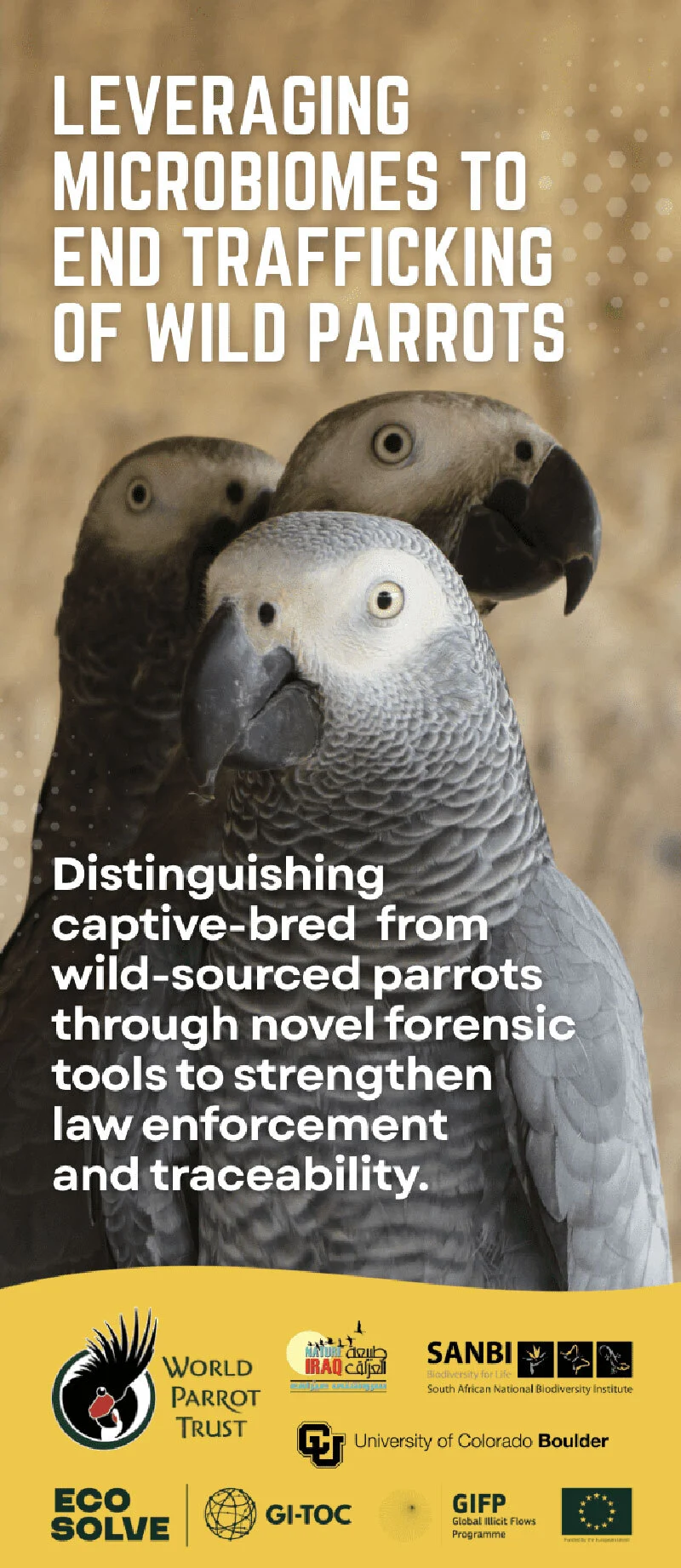
Groundbreaking advancements in genomics are revolutionizing investigative science, offering powerful new tools to tackle complex challenges, from identifying individual organisms to mapping entire ecosystems. This burgeoning field, fueled by the development of sophisticated DNA sequencing technologies, allows scientists to decipher the complete genetic blueprint of any living organism – its genome. This capability is not merely an academic pursuit; it is rapidly translating into practical applications that can safeguard endangered species, combat illicit trade, and provide unprecedented insights into the natural world. The distinction between DNA, the fundamental molecule of heredity, and genomics, the comprehensive study of an organism’s entire genetic makeup, is crucial. While DNA provides the raw code, genomics offers the ability to read, interpret, and leverage that code on a grand scale.
The application of genomics in conservation is proving to be a potent weapon against the pervasive illegal wildlife trade, a multi-billion dollar industry that threatens biodiversity worldwide. For years, conservationists and law enforcement agencies have grappled with the sophisticated tactics employed by traffickers who exploit legal channels by misrepresenting the origin of animals. A prime example of this challenge involves the African grey parrot (Psittacus erithacus), a highly intelligent and sought-after species that has been severely impacted by both habitat loss and illegal capture for the pet trade.
The African Grey Parrot Crisis: A Case Study in Genomic Intervention
The African grey parrot has long been a symbol of the devastating impact of the illegal wildlife trade. Highly intelligent and capable of mimicking human speech, these birds are immensely popular in the global pet market. However, their capture from the wild for this trade has pushed wild populations to the brink of endangerment. International trade in African grey parrots was officially banned by CITES (Convention on International Trade in Endangered Species of Wild Fauna and Flora) in 2016 due to severe population declines. Despite this ban, the illicit trade persists, often masked by fraudulent claims of captive breeding.
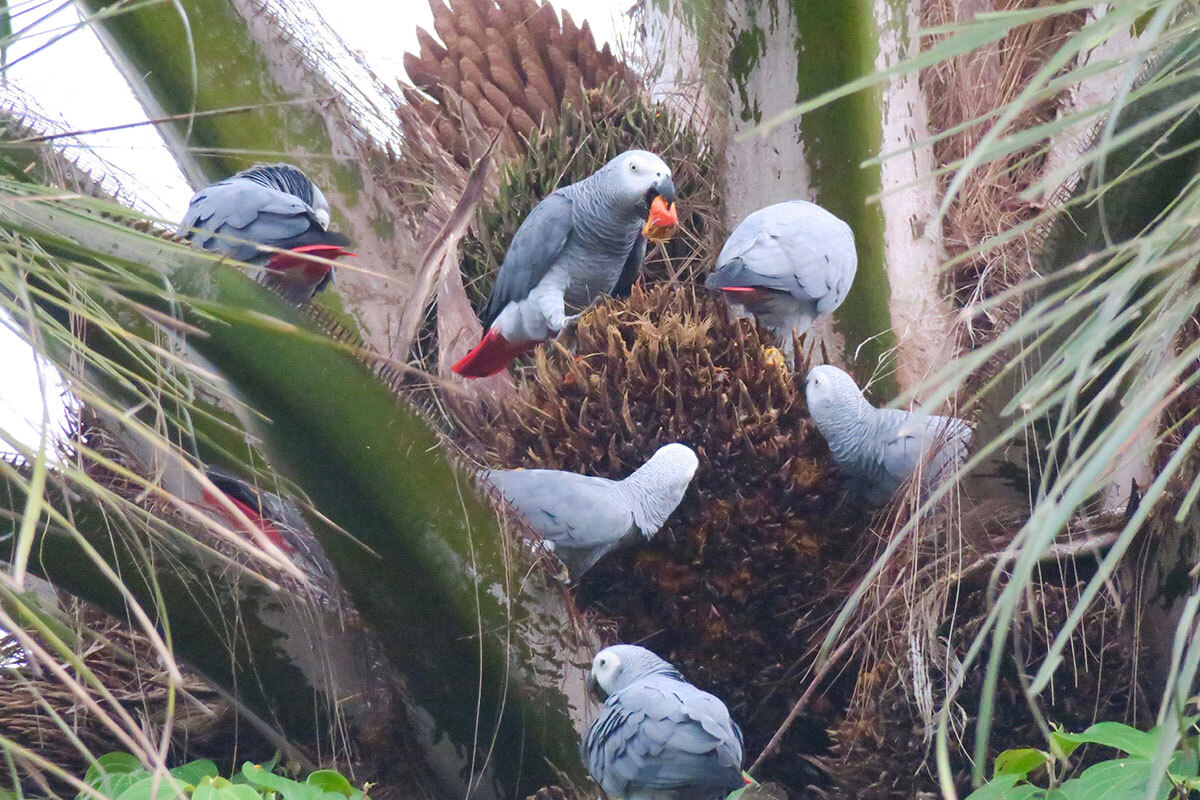
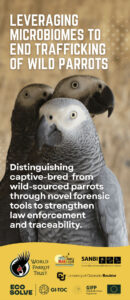
The article highlights that since 2020, over 46,000 African grey parrots have been exported from South Africa, ostensibly as "captive-bred." This figure alone underscores the scale of the challenge. However, the critical question remains: how many of these birds are genuinely bred in captivity, and how many are wild-caught specimens being laundered into the legal market? This is precisely where the power of genomics, specifically through the analysis of gut microbiomes, offers a transformative solution.
Forensic scientists are now developing and deploying innovative tools that analyze the unique microbial communities residing within the digestive tracts of these birds. This approach, known as microbiome profiling, is based on the principle that the gut microbiome of a wild animal is distinct from that of a captive-bred individual. Wild birds are exposed to a diverse array of environmental microbes throughout their lives, shaping a complex and characteristic microbial signature. In contrast, captive-bred birds are raised in controlled environments with limited exposure to natural microbial diversity, resulting in a different, often less varied, gut microbiome.
By collecting non-invasive samples, such as fecal matter, researchers can sequence the DNA of the microbes present and compare these profiles against established databases of wild and captive-bred parrots. This allows investigators to differentiate between birds that have spent their lives in their natural habitat and those raised in artificial environments. This capability is invaluable for regulators and enforcement agencies tasked with verifying the legitimacy of parrot exports. It provides a scientific basis to challenge false claims of captive breeding and to dismantle the trafficking networks that exploit these loopholes.
Metagenomics: Unveiling the Secrets of Entire Communities
Beyond individual identification, the field of genomics encompasses metagenomics, a powerful discipline that allows scientists to study the genetic material of entire communities of organisms directly from environmental samples. This means researchers can analyze the DNA of all the microbes, plants, or animals present in a soil sample, a water source, or even the gut of an animal, without needing to isolate and culture each individual organism.
In the context of wildlife trade, metagenomics can be applied to monitor entire ecosystems and identify potential sources of illegally trafficked animals. By understanding the genetic makeup of populations in specific geographic regions, scientists can create genetic "fingerprints" of those areas. If a trafficked animal’s genetic profile matches that of a particular wild population, it provides strong evidence of its illegal origin. Furthermore, metagenomics can be used to map the biodiversity of an area, providing crucial baseline data for conservation efforts and helping to identify species that are particularly vulnerable to trafficking.
The ability to map the genomes of entire communities of organisms also opens doors to understanding complex ecological interactions. For instance, studying the metagenome of a coral reef can reveal the intricate relationships between corals, algae, fish, and bacteria, providing insights into the health of the ecosystem and potential threats it faces. Similarly, analyzing the soil metagenome can illuminate the role of microbes in nutrient cycling and plant growth, which is vital for sustainable agriculture and ecosystem restoration.
The Evolution of Genomic Technology: Towards a Portable Future
Historically, DNA sequencing technologies required large, expensive, and complex laboratory equipment, often occupying the space of an entire refrigerator. This significantly limited the accessibility and speed of genetic analysis, particularly in remote field locations or during rapid investigative operations. However, the genomics revolution is characterized by a relentless drive towards miniaturization and increased efficiency.
The development of portable DNA sequencers, some no larger than a USB flash drive, represents a paradigm shift. These devices, often referred to as "lab-on-a-chip" technologies, can perform complex sequencing and analysis tasks with minimal power consumption and without the need for extensive laboratory infrastructure. This portability has profound implications for conservation and law enforcement.
Imagine a wildlife ranger in a remote jungle, able to collect a sample from a suspected trafficked animal and, within hours, receive an analysis that identifies its species, potential origin, and whether it is likely wild-caught or captive-bred. This immediate feedback loop can enable swift interventions, preventing the animal from entering the illegal trade or leading investigators to the source of the trafficking operation.
The advantages of these portable genomic tools are transformative:
- Real-time Analysis: Enables immediate decision-making in the field, crucial for apprehending traffickers and rescuing animals.
- Decentralized Data Collection: Allows for widespread data gathering from diverse geographical locations, enriching genetic databases and improving analytical accuracy.
- Reduced Costs: Lower equipment and operational costs make advanced genomic analysis accessible to a wider range of organizations, including smaller conservation groups and local law enforcement agencies.
- Enhanced Efficiency: Streamlines investigative processes, significantly reducing the time and resources required to identify and prosecute wildlife criminals.
- Non-invasive Sampling: Many portable sequencing methods can be used with minimal sample collection, such as saliva or fecal matter, reducing stress on the animals and minimizing disruption to their environment.
Supporting Conservation Efforts: A Commitment to the Future
The critical work being undertaken by organizations like the World Parrot Trust is vital in this ongoing battle. This month’s Lafeber donation exemplifies a crucial partnership aimed at leveraging these cutting-edge genomic tools for tangible conservation outcomes. By supporting the World Parrot Trust’s mission to utilize microbiome profiling as a forensic instrument, this contribution directly aids in the fight against the illegal laundering of wild parrots through legal supply chains.
The implications of this work extend far beyond the African grey parrot. As genomic technologies become more accessible and sophisticated, they are poised to become indispensable tools for protecting a wide array of endangered species across the globe. From tracing the origins of illegally logged timber to identifying poached ivory, the ability to genetically identify and trace wildlife products is a powerful deterrent against criminal enterprises.
The broader impact of this genomic revolution in conservation is multifaceted:
- Strengthening Legal Frameworks: Provides concrete scientific evidence to support and enforce existing wildlife protection laws and international agreements.
- Disrupting Trafficking Networks: Empowers investigators with the ability to uncover the complex, often international, networks responsible for illegal wildlife trade.
- Informing Conservation Strategies: Generates critical data on population genetics, distribution, and connectivity, which is essential for developing effective long-term conservation plans.
- Raising Public Awareness: By highlighting the scientific advancements used to combat wildlife crime, these efforts can also serve to educate the public about the severity of the issue and garner support for conservation initiatives.
- Promoting Ethical Trade: By differentiating between legitimate captive breeding and illegal wild capture, genomics helps to ensure that the legal pet trade operates ethically and sustainably, without compromising wild populations.
The future of wildlife conservation is inextricably linked to the advancements in genomics. The ability to read the genetic story of life, from the smallest microbe to the largest mammal, offers an unprecedented opportunity to understand, protect, and preserve the planet’s biodiversity. As these technologies continue to evolve, becoming more powerful, portable, and accessible, they will undoubtedly play an increasingly pivotal role in safeguarding our natural heritage for generations to come. The fight against the illegal wildlife trade is a complex and persistent one, but with the illuminating power of genomics, the odds are beginning to shift in favor of those dedicated to protecting Earth’s precious wildlife.
