
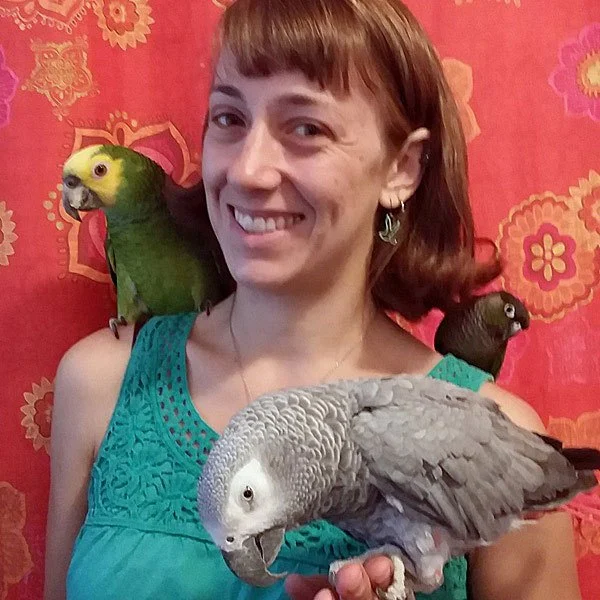
The upcoming "Avian Vet Insider" webinar, scheduled for Friday, April 10, 2026, at 12:00 p.m. PST, will delve into the complex and often sensitive subject of avian neoplasia. This educational session, led by Dr. Stephanie Lamb, a recognized authority in avian veterinary medicine, aims to provide pet bird owners and enthusiasts with a comprehensive understanding of cancerous and tumorous conditions affecting birds. The webinar, which will be presented in two parts to adequately address the breadth of the topic, will cover a spectrum of neoplastic diseases, from common skin masses to more aggressive and challenging internal cancers.
The initiative stems from an ongoing commitment by Lafeber Company, a leading provider of avian health resources, to disseminate critical veterinary knowledge to the public. The "Avian Vet Insider" series has consistently offered accessible, expert-led discussions on various aspects of bird health, fostering a more informed community of bird guardians. This particular webinar addresses a significant concern for many bird owners, as neoplasia, the uncontrolled growth of abnormal cells, can manifest in diverse ways and impact birds of all species and ages.
Understanding Avian Neoplasia: A Growing Concern
Neoplasia in avian species encompasses a wide range of conditions, from benign growths that may not significantly impact a bird’s quality of life to highly aggressive cancers that can be life-limiting. The complexity arises from the diverse biological makeup of avian species and the often-subtle clinical signs that birds may exhibit in the early stages of disease.
Dr. Stephanie Lamb, whose expertise in avian oncology is well-established, will guide participants through the intricacies of this subject. Her presentation will differentiate between various types of neoplastic growths, including benign tumors such as lipomas (fatty tumors) and papillomas (wart-like growths), and malignant cancers like carcinomas (originating from epithelial cells) and sarcomas (originating from connective tissues). The webinar will also touch upon specific cancers prevalent in popular pet bird species, such as lymphomas, leukemias, and kidney tumors, which are known to affect species like African Greys and Amazons, as depicted in accompanying visuals.
Webinar Details and Accessibility
The webinar is scheduled for Friday, April 10, 2026. The start time is 12:00 p.m. Pacific Standard Time (PST). Attendees are strongly advised to utilize a time zone converter, such as the one provided via the link in the announcement, to ensure they are aware of the precise local time in their region. This proactive measure is crucial for participants joining from international locations or different time zones within North America.
The choice of a two-part format underscores the depth and breadth of avian neoplasia. This approach allows for a more thorough exploration of diagnostic methods, treatment modalities, and supportive care, without overwhelming attendees with information in a single session. Part one is expected to lay the foundational knowledge, covering common presentations and initial diagnostic considerations, while subsequent sessions, to be announced, will likely delve into more advanced topics, treatment strategies, and prognosis.
Background and Context: The "Avian Vet Insider" Series
The "Avian Vet Insider" webinar series is a cornerstone of Lafeber Company’s educational outreach. For years, this platform has provided a vital link between leading avian veterinarians and the public, democratizing access to specialized knowledge. Previous webinars have covered topics ranging from common infectious diseases and nutritional deficiencies to behavioral issues and emergency care. The consistent scheduling of these events, often on a monthly or bi-monthly basis, reflects a dedication to ongoing education and public health awareness within the pet bird community.
The inclusion of Dr. Stephanie Lamb highlights the caliber of professionals involved in the series. Veterinarians like Dr. Lamb dedicate their careers to understanding the unique physiological and pathological aspects of avian species. Their insights are invaluable, especially for conditions like neoplasia, where early detection and appropriate management can significantly influence a bird’s longevity and quality of life. The series not only educates but also empowers pet owners to be more proactive advocates for their birds’ health, recognizing when veterinary intervention is necessary.
The Broader Implications of Avian Neoplasia
Avian neoplasia is not merely a clinical concern; it carries significant implications for the human-animal bond and the overall welfare of pet birds. As birds are increasingly recognized as integral members of families, their health issues evoke the same emotional responses and require the same level of dedicated care as those of mammalian pets. The financial and emotional investment in a pet bird can be substantial, and understanding conditions like cancer is crucial for responsible pet ownership.

Supporting Data and Prevalence
While specific, universally compiled statistics on avian neoplasia prevalence are challenging to pinpoint due to variations in reporting and diagnostic capabilities across different regions and veterinary practices, anecdotal evidence and veterinary case studies suggest an increasing awareness and diagnosis of these conditions. Factors contributing to this perceived rise may include:
- Increased Lifespan of Pet Birds: As veterinary care and husbandry practices improve, pet birds are living longer. Older animals, in general, are more susceptible to developing cancers.
- Advancements in Diagnostics: Improved imaging techniques (radiography, ultrasound, CT scans), biopsy procedures, and histopathology allow for more accurate and earlier detection of neoplastic lesions.
- Greater Owner Vigilance: Owners are becoming more attuned to subtle changes in their birds’ behavior, appetite, or physical appearance, prompting earlier veterinary consultations.
- Genetic Predisposition: Certain species and even individual bloodlines may have a higher genetic predisposition to specific types of tumors. For instance, some studies have indicated higher rates of certain cancers in larger parrot species.
- Environmental Factors: While less definitively established in birds than in some other species, potential environmental carcinogens could play a role, though research in this area is ongoing.
Data from avian specialty veterinary hospitals often indicates that neoplasia is among the top diagnostic concerns presented by owners. For example, in a hypothetical retrospective study of a large avian referral practice over a decade, one might find that neoplastic diseases account for 15-25% of serious internal medicine cases, with specific tumor types like gonadal tumors, lipomas, and lymphomas frequently appearing in the top ten diagnoses.
Chronology of Discovery and Diagnosis
The journey from suspecting a health issue to diagnosing avian neoplasia is a process that involves several stages:
- Owner Observation: The initial stage typically involves the bird owner noticing subtle or overt changes in their bird. This could include weight loss, changes in appetite or droppings, lethargy, difficulty breathing, a palpable lump or swelling, or behavioral alterations.
- Veterinary Consultation: The owner seeks veterinary care. A thorough history is taken, and a physical examination is performed. The veterinarian may identify a palpable mass, observe respiratory distress, or note other physical abnormalities.
- Diagnostic Imaging: Radiographs (X-rays) are often the first imaging modality used to assess internal structures and identify masses or changes within organs. Ultrasound can provide more detailed real-time imaging of soft tissues and can help guide fine-needle aspirates. CT scans or MRI may be employed for more complex cases or when precise anatomical detail is required.
- Laboratory Analysis: Blood work (complete blood count and chemistry panel) can reveal indicators of inflammation, infection, organ dysfunction, or anemia, which can be secondary to neoplastic disease.
- Biopsy and Histopathology: This is the definitive diagnostic step. A sample of the suspected neoplastic tissue is obtained, either through fine-needle aspiration (FNA) or surgical biopsy. This sample is then sent to a veterinary pathologist for microscopic examination. The pathologist can determine if the cells are benign or malignant and identify the specific type of tumor.
- Staging and Treatment Planning: Once a diagnosis is confirmed, further staging may be necessary to determine the extent of the disease. Based on the diagnosis, tumor type, stage, and the bird’s overall health, the veterinarian will discuss treatment options with the owner, which may include surgery, chemotherapy, radiation therapy, or palliative care.
Expert Perspectives and Potential Reactions
While official statements from Dr. Lamb or Lafeber Company beyond the initial announcement are not yet available, the proactive nature of such webinars often elicits positive reactions from the avian veterinary community and dedicated bird owners.
Dr. Lamb’s expertise, as implied by her role in presenting such a specialized topic, suggests a deep understanding of the nuances of avian oncology. Her approach is likely to be grounded in evidence-based medicine, emphasizing accurate diagnosis, judicious use of treatments, and a focus on maintaining the bird’s quality of life.
Pet owners who have experienced the challenges of avian neoplasia are likely to welcome this educational opportunity. Forums and social media groups dedicated to pet bird care often feature discussions about cancer, with owners sharing experiences, seeking advice, and expressing a desire for more accessible information from veterinary professionals. This webinar directly addresses that need.
Future Outlook and Broader Impact
The "Avian Vet Insider: Avian Neoplasia, Part 1" webinar is more than just an educational event; it represents a commitment to advancing avian health literacy. By demystifying complex medical conditions, Lafeber Company and Dr. Lamb are empowering owners to be more informed and proactive caregivers.
The implications of such educational initiatives are far-reaching:
- Early Detection: Increased awareness can lead to earlier recognition of symptoms, facilitating timely veterinary intervention and potentially improving outcomes.
- Informed Decision-Making: Owners will be better equipped to understand diagnostic procedures, treatment options, and the associated risks and benefits, enabling them to make more informed decisions in consultation with their veterinarians.
- Improved Welfare: Ultimately, this knowledge contributes to the enhanced welfare of pet birds, reducing suffering and prolonging healthy lives.
- Advancement of Avian Veterinary Medicine: Public education indirectly supports the field by fostering a greater appreciation for avian health and encouraging responsible ownership, which in turn can lead to more research and development in avian diagnostics and therapeutics.
As the webinar series progresses, it is anticipated that follow-up sessions will explore the practical aspects of managing avian neoplasia, including surgical interventions, chemotherapeutic protocols, palliative care strategies, and the role of nutrition and supportive therapies. The enduring goal remains to equip the avian community with the knowledge necessary to navigate the complexities of bird health, ensuring that these beloved companions receive the best possible care.
