
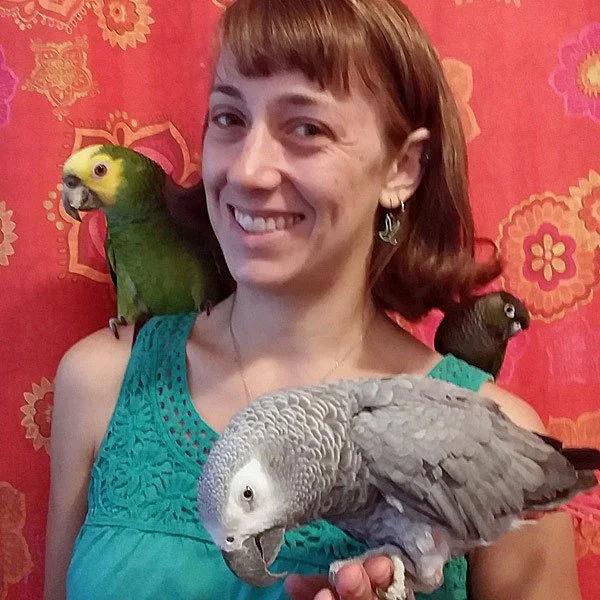
The veterinary community is set to convene on Friday, May 8th, 2026, for a pivotal online seminar, "Avian Vet Insider — Avian Neoplasia, Part 2." This in-depth webinar, scheduled to commence at 12:00 p.m. Pacific Standard Time, will delve into the complexities of neoplastic diseases in avian species, building upon foundational knowledge established in the first installment of the series. Hosted by Dr. Stephanie Lamb, a recognized authority in avian medicine, the session aims to equip veterinarians and avian health professionals with comprehensive insights into the diagnosis, treatment, and management of various cancers affecting birds.
The webinar is designed as a continuation of a previous discussion that explored common skin cancers and reproductive tract tumors in birds. This second part is anticipated to broaden the scope to encompass neoplastic conditions affecting other vital organ systems, including the gastrointestinal tract. The focus on these less frequently discussed but equally critical areas underscores the evolving understanding of avian oncology and the growing need for specialized knowledge within the veterinary field. The event’s timing, set for a mid-year date in 2026, allows ample opportunity for professionals to integrate the information into their ongoing practices and research.
Background and Context of the Webinar Series
The "Avian Vet Insider" series represents a significant initiative by Lafeber Company, a prominent entity dedicated to avian health and nutrition. These webinars are part of a broader commitment to providing continuing education and disseminating cutting-edge research to veterinary professionals. The decision to focus on avian neoplasia is particularly timely. Over the past few decades, advancements in veterinary diagnostics, treatment modalities, and a deeper understanding of comparative oncology have shed more light on the prevalence and nature of cancers in pet birds.
Historically, neoplastic diseases were often considered less common or more difficult to diagnose in avian species compared to their mammalian counterparts. However, as the lifespan of pet birds has increased due to improved husbandry and veterinary care, the incidence of age-related diseases, including cancer, has become more apparent. This has driven a demand for specialized knowledge and resources among avian veterinarians. The "Avian Vet Insider" series directly addresses this need by offering expert-led discussions on critical and complex topics in avian health.
The first part of the "Avian Neoplasia" series, held prior to this upcoming session, laid the groundwork by examining more commonly encountered neoplastic conditions. Discussions likely included various epidermal tumors, such as papillomas and squamous cell carcinomas, and a range of reproductive tumors, including ovarian and testicular neoplasms, which can be particularly challenging in avian patients due to their unique reproductive physiology. By establishing this baseline, Part 2 is poised to delve into more intricate and systemic presentations.
Key Areas of Focus for "Avian Neoplasia, Part 2"
The forthcoming webinar will concentrate on neoplastic disorders affecting the gastrointestinal tract, a critical area for avian health. These conditions can manifest in various forms, affecting the esophagus, crop, proventriculus, ventriculus, small intestine, and large intestine. Symptoms can range from subtle changes in appetite and droppings to more overt signs such as weight loss, vomiting, or palpable abdominal masses.
Dr. Stephanie Lamb, the featured speaker, brings a wealth of experience in avian oncology. Her expertise is expected to cover a spectrum of neoplastic entities, including but not limited to:
- Gastrointestinal Adenocarcinomas: Malignancies arising from glandular tissues within the digestive system.
- Lymphomas: Cancers originating from lymphocytes, which can affect various organs, including the gastrointestinal tract.
- Sarcomas: Tumors of connective tissues, which can also occur within the digestive system.
- Metastatic Neoplasms: Cancers that have spread to the gastrointestinal tract from primary sites elsewhere in the body.
Beyond the gastrointestinal system, the webinar may also touch upon neoplastic conditions affecting other internal organs, such as the liver, spleen, kidneys, and respiratory system, depending on the scope of "other systems in the body" mentioned in the event description. The discussion is intended to provide a comprehensive overview of both common and rarer forms of avian cancers, offering a nuanced perspective on the diagnostic challenges and therapeutic options available.
Diagnostic and Therapeutic Considerations

The diagnosis of avian neoplasia often presents unique challenges. Birds are prey animals, and their instinct is to conceal signs of illness. This can lead to delayed presentation to veterinarians, often when diseases are already advanced. Diagnostic tools employed in avian oncology mirror those used in other species but require specialized interpretation due to the unique anatomy and physiology of birds. These may include:
- Radiography: X-rays can reveal masses, organ enlargement, or evidence of metastasis.
- Ultrasonography: A non-invasive imaging technique that provides real-time visualization of internal organs, allowing for assessment of size, shape, and texture, and guiding biopsies.
- Computed Tomography (CT) and Magnetic Resonance Imaging (MRI): Advanced imaging modalities that offer detailed cross-sectional views, crucial for staging and surgical planning.
- Cytology and Histopathology: Microscopic examination of tissue samples obtained through fine-needle aspiration, biopsy, or surgical resection is the gold standard for definitive diagnosis and tumor classification.
- Bloodwork and Biochemical Profiles: While less specific for tumor diagnosis, these tests can help assess overall health, organ function, and identify paraneoplastic syndromes.
Therapeutic approaches to avian neoplasia are as varied as the diseases themselves and are often tailored to the specific type, stage, and location of the tumor, as well as the bird’s overall health and the owner’s goals. These may include:
- Surgical Excision: The primary treatment for many solid tumors, aiming for complete removal of the neoplastic tissue. The success of surgery is highly dependent on the tumor’s resectability and the bird’s ability to tolerate anesthesia and recovery.
- Chemotherapy: The use of drugs to kill cancer cells. While the use of chemotherapy in birds is less standardized than in mammals, certain protocols have shown efficacy for specific tumor types, such as lymphomas and some carcinomas. Dosing and drug selection require careful consideration due to potential toxicity.
- Radiation Therapy: Used in select cases to control tumor growth or alleviate symptoms, though its availability and application in avian medicine can be limited.
- Supportive Care: Crucial for managing symptoms, maintaining quality of life, and supporting the bird through treatment. This can include nutritional support, pain management, and fluid therapy.
Implications for Avian Welfare and Veterinary Practice
The increasing recognition and understanding of avian neoplasia have significant implications for the field of avian veterinary medicine and the welfare of pet birds. The availability of such specialized webinars signifies a maturation of avian oncology as a sub-discipline within veterinary practice.
For pet owners, awareness of these conditions is paramount. Early detection, often facilitated by vigilant observation of subtle behavioral changes and prompt veterinary consultation, can significantly improve prognosis. The webinar’s emphasis on understanding these disorders aims to empower owners with the knowledge to advocate effectively for their pets’ health.
From a professional standpoint, the webinar contributes to the ongoing development of evidence-based treatment protocols for avian cancers. As more data is gathered and shared, veterinary oncologists and avian specialists can refine their approaches, leading to better outcomes for affected birds. The collaborative nature of such educational events fosters a community of practice where knowledge and experience are shared, driving innovation and improving standards of care.
The fact that this webinar is the second part of a series highlights the depth and complexity of the subject matter. It suggests that avian neoplasia is not a topic that can be fully covered in a single session, indicating a rich and evolving field of study. The inclusion of "rarer avian cancers" broadens the educational value, preparing practitioners for less common but potentially life-threatening presentations.
Looking Ahead: The Future of Avian Oncology
The insights gained from Dr. Lamb’s presentation will undoubtedly contribute to the growing body of knowledge in avian oncology. As research continues, the veterinary community can anticipate further advancements in:
- Genomic and Molecular Profiling: Understanding the genetic mutations driving avian cancers could lead to more targeted therapies.
- Immunotherapy: Exploring the potential of harnessing the bird’s immune system to fight cancer.
- Minimally Invasive Techniques: Advancements in surgical and diagnostic tools to reduce stress and improve recovery times for avian patients.
- Preventative Strategies: Research into factors that may predispose birds to certain cancers, potentially leading to preventative measures.
The webinar’s emphasis on managing difficult disorders underscores the commitment to improving the quality of life for birds diagnosed with cancer. This reflects a broader trend in veterinary medicine towards a more holistic approach to patient care, where not only survival but also well-being is prioritized.
Conclusion
The "Avian Vet Insider — Avian Neoplasia, Part 2" webinar is a critical educational event for avian veterinarians and allied professionals. Scheduled for May 8th, 2026, it promises to deliver advanced insights into the diagnosis and management of neoplastic diseases in birds, particularly focusing on the gastrointestinal tract and other systemic conditions. Hosted by Dr. Stephanie Lamb, this session builds upon previous discussions and contributes significantly to the ongoing advancement of avian oncology, ultimately benefiting the health and welfare of avian companions worldwide. The continuous pursuit of knowledge in this complex area signifies a dedicated effort within the veterinary community to address the growing challenges of cancer in birds.
