
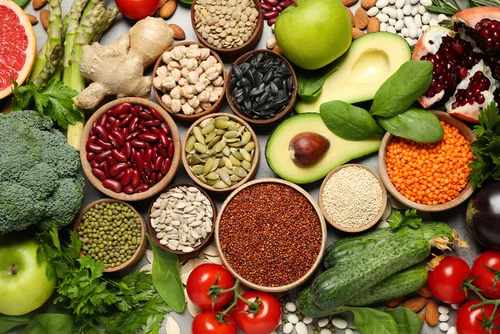
The rising popularity of backyard poultry keeping has transformed millions of residential gardens into micro-farms, positioning chickens as both productive livestock and domestic companions. While these birds are biologically classified as omnivores—capable of consuming a diverse array of flora and fauna—veterinary experts and avian nutritionists warn that the common practice of using chickens as "living composters" for household food waste carries significant risks. While chickens are opportunistic feeders that will ingest nearly any offered scrap, several common human foods contain chemical compounds that are debilitating or fatal to avian species. Maintaining a healthy flock requires a sophisticated understanding of "toxic treats," ranging from common produce like avocados and onions to metabolic disruptors like caffeine and alcohol.

Understanding the Omnivorous Nature of Gallus Gallus Domesticus
Domestic chickens are highly adaptable foragers, a trait inherited from their ancestor, the red junglefowl. In a natural environment, their diet consists of seeds, fruits, insects, and small reptiles. In a domestic setting, they provide essential services such as pest control, weed management, and the production of high-nitrogen manure. However, the misconception that chickens can safely process all organic kitchen waste has led to avoidable cases of morbidity and mortality in backyard flocks.

Veterinary manuals, including the Merck Veterinary Manual and guidelines from the Maine Extension Service, emphasize that "omnivore" does not equate to "indiscriminate eater." The avian digestive system is highly efficient but sensitive to specific alkaloids, glycosides, and toxins that are tolerated by humans or other mammals. Consequently, identifying and isolating these substances is a critical component of modern poultry management.

Primary Toxicological Risks in Common Household Scraps
The Persin Threat: Avocado Toxicity
Among the most dangerous foods for poultry is the avocado. All parts of the avocado plant—including the flesh, skin, pit, leaves, and stems—contain a fungicidal toxin known as persin. According to veterinary data, the ingestion of even small amounts of persin can lead to myocardial necrosis, a condition characterized by the death of heart muscle tissue.

In avian species, the sensitivity to persin is acute. Research indicates that as little as 5% of an avocado can prove fatal to a small bird within 48 hours. Symptoms of avocado poisoning in chickens include an inability to perch, respiratory distress, subcutaneous edema (swelling under the skin), and sudden heart failure. Because there is no known antidote for persin poisoning in birds, total avoidance is the only viable safety strategy.

Glycoalkaloids and the Nightshade Family
The Solanaceae family, commonly known as nightshades, includes staples such as white potatoes, tomatoes, eggplants, and peppers. These plants produce a natural defense chemical called solanine, a glycoalkaloid poison. In white potatoes, solanine is concentrated in the green skin, the "eyes," and the stems or leaves of the plant.
.jpg)
When ingested by chickens, solanine destroys red blood cells and can cause severe gastrointestinal distress, including diarrhea and vomiting, as well as neurological issues and heart failure. While high-heat cooking (frying or baking) may reduce solanine levels in some instances, boiling is ineffective at neutralizing the toxin. Furthermore, potatoes contain chaconine, another glycoalkaloid that acts as a natural pesticide and can trigger digestive collapse. Conversely, sweet potatoes, which belong to the morning glory family (Convolvulaceae), do not contain these toxins and are considered a safe nutritional supplement.

Regarding tomatoes, peppers, and eggplants, the toxins are primarily concentrated in the green, unripened fruit and the vegetative parts of the plant (leaves and stems). While fully ripe tomatoes are generally considered safe in moderation for adult birds, they should be withheld from younger chicks whose systems are more susceptible to chemical fluctuations.

Cyanogenic Glycosides in Fruit Seeds and Pits
Many common "stone fruits"—including cherries, peaches, plums, apricots, and pears—as well as apples, contain seeds or pits that harbor amygdalin. When digested, amygdalin breaks down into hydrogen cyanide, a potent toxin that inhibits cellular respiration by preventing cells from using oxygen.

Cyanide poisoning in poultry manifests through a "bluish" discoloration of the comb, rapid heart rate, gasping for breath, and eventually, seizures or coma. While the flesh of these fruits is a healthy source of fiber and antioxidants, they must be meticulously cored or pitted before being offered to the flock to eliminate the risk of cyanide exposure.

Lectins and the Danger of Raw Legumes
Raw or undercooked dried beans, particularly kidney beans, contain high concentrations of phytohaemagglutinin, a type of lectin that serves as a natural insecticide. This compound is highly toxic to both humans and birds. In chickens, consuming as few as three or four raw beans can result in death within hours.

The toxin triggers severe hemagglutination (clumping of red blood cells) and extreme digestive upset. To render dried beans safe, they must be soaked for several hours and then boiled at high temperatures to neutralize the lectins. Notably, sprouted legumes like lentils or peas are generally safe, as the sprouting process alters the chemical composition of the seed, though red kidney beans should still be avoided regardless of preparation.

Metabolic and Systemic Disruptors
Thiosulphate and the Allium Family
Onions contain thiosulphate, a compound that can cause Heinz body anemia in poultry. This condition involves the oxidative destruction of red blood cells, leading to jaundice, weakness, and potential death. While some keepers suggest that small amounts of onion do not cause immediate harm, the cumulative effect can shorten a bird’s lifespan and potentially taint the flavor of the eggs produced.

In contrast, garlic—also a member of the Allium family—contains significantly lower levels of thiosulphate (approximately 1/15th of the concentration found in onions). Veterinary experts often recommend garlic powder or fresh cloves in water as a natural immune booster and internal parasite deterrent, provided it is administered in appropriate, diluted doses.

Methylxanthines: Caffeine and Chocolate
Caffeine and theobromine, found in coffee, tea, and chocolate, belong to a class of chemicals called methylxanthines. Chickens are unable to metabolize these stimulants effectively. Ingestion leads to overstimulation of the central nervous system and the heart, resulting in tachycardia (rapid heart rate), tremors, and cardiac arrest. Owners are cautioned to ensure that compost piles containing coffee grounds or tea bags are securely fenced off from foraging birds.

Alcohol and Processed "Junk" Foods
Alcohol is strictly prohibited for avian consumption, as their small body mass and high metabolic rate make them extremely susceptible to ethanol poisoning. Similarly, highly processed human foods—those high in sodium, refined sugars, or trans fats—can lead to obesity, "fatty liver" syndrome, and electrolyte imbalances. Excessive salt intake is particularly dangerous for chickens, as it can lead to salt toxicosis and permanent kidney damage.

Dietary Limitations and Nutritional Balance
While not strictly "toxic," certain foods should be restricted to maintain optimal egg production and shell quality:

- Citrus Fruits: Some studies suggest that the citric acid and limonene in oranges and lemons can interfere with calcium absorption, leading to thin-shelled eggs.
- Spinach and Rhubarb: Both contain oxalic acid. In high quantities, this acid binds to calcium, making it unavailable for eggshell formation and potentially causing kidney stones.
- Asparagus: Though safe, it is known to alter the organoleptic properties (taste and smell) of eggs.
- White Grains: White rice, pasta, and bread are "empty calories" that lack the protein and micronutrients required for sustained laying.
Historical Context and the Backyard Poultry Boom
The resurgence of backyard poultry is a documented socio-economic trend, peaking during the COVID-19 pandemic and continuing amidst rising food inflation. Data from the USDA indicates a significant increase in "urban agriculture" permits over the last decade. This shift has moved chickens from the category of "invisible livestock" to "visible pets." However, this transition often lacks the formal agricultural education that accompanied 20th-century farming.

Historically, farm chickens survived on grain and whatever they could forage. The modern "pet" chicken, however, is often exposed to a much wider variety of exotic produce and processed leftovers than its predecessors, necessitating a more rigorous approach to dietary safety.

Statistical Overview of Avian Nutrition and Mortality
Research into backyard flock mortality suggests that a significant percentage of "sudden deaths" can be attributed to nutritional deficiencies or accidental poisoning. A study by the University of California, Davis, found that nearly 40% of backyard poultry necropsies revealed conditions related to improper diet, including obesity-related organ failure and reproductive tract issues exacerbated by poor mineral balance.

The industry standard for supplemental feeding follows the "10% Rule." Professional poultry organizations advise that treats—any food other than balanced commercial feed or fresh pasture—should constitute no more than 10% of a chicken’s total daily caloric intake. This ensures that the birds receive the precise ratio of 16-18% protein and 3-4% calcium required for peak health.

Broader Implications for Sustainable Agriculture and Flock Longevity
The responsible management of poultry diets has implications beyond the health of individual birds. As the world moves toward more sustainable, localized food systems, the chicken’s role as a recycler of nutrients is invaluable. However, for this cycle to be truly sustainable, the inputs must be safe.

By diverting toxic scraps like avocado pits, raw beans, and moldy bread to a contained compost system rather than the chicken coop, keepers prevent the introduction of toxins into the food chain. This practice protects the quality of the eggs consumed by humans and ensures the longevity of the flock.

In conclusion, while chickens are resilient and versatile omnivores, their role as household "garbage disposals" must be tempered with scientific caution. A diet centered on high-quality forage and balanced feed, supplemented only by safe, non-toxic fruits and vegetables, remains the gold standard for avian welfare. Through the avoidance of known toxins and the moderate application of healthy treats, backyard keepers can ensure a productive and healthy environment for their poultry.
