
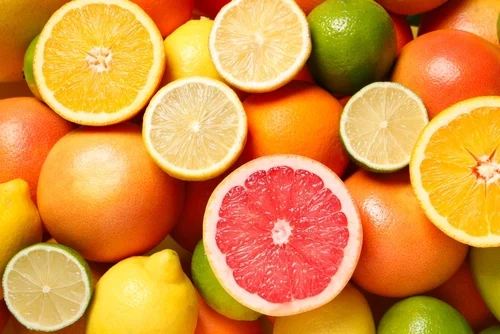
The practice of integrating kitchen scraps into the daily diet of backyard poultry has seen a significant resurgence as sustainable living and domestic food production become increasingly popular among suburban and rural homeowners. However, avian nutritionists and experienced poultry keepers are raising awareness regarding the potential physiological drawbacks of feeding citrus fruits, such as oranges, lemons, limes, and grapefruits, to laying hens. While these fruits are celebrated for their high Vitamin C content and antioxidant properties in human nutrition, their impact on the avian digestive system and reproductive health is markedly different. Scientific consensus suggests that while citrus is not acutely toxic in the same manner as nightshades or chocolate, its regular inclusion in a chicken’s diet can lead to systemic issues, primarily involving calcium malabsorption and skeletal degradation.
The Biological Mechanism of Calcium Interference
The primary concern regarding citrus consumption in poultry revolves around the chemical interaction between citric acid and calcium. Calcium is the most critical mineral in a laying hen’s diet, required in massive quantities to facilitate the production of eggshells. A standard eggshell consists of approximately 95% calcium carbonate, and a high-producing hen requires between 4 and 5 grams of calcium daily to maintain this output.
When a chicken consumes significant amounts of citrus, the citric acid can interfere with the bird’s ability to absorb calcium through the intestinal wall. In the avian digestive tract, the absorption of minerals is a highly regulated process occurring largely in the upper small intestine. An overabundance of acid can shift the pH balance of the gut, potentially sequestering calcium and preventing it from entering the bloodstream.
If blood calcium levels drop below a certain threshold, the bird’s endocrine system compensates through a process known as resorption. The parathyroid gland releases hormones that signal the body to leach calcium from the medullary bone—a specialized, calcium-rich bone tissue found in the marrow cavities of birds. While this is a natural backup system, chronic reliance on bone-leached calcium leads to "cage layer fatigue" or avian osteoporosis, resulting in brittle bones, fractures, and a general decline in the bird’s physical mobility and welfare.

Avian Vitamin C Synthesis: A Redundant Nutrient
A common misconception among novice poultry keepers is that chickens require supplemental Vitamin C from external sources like citrus fruits to maintain their immune systems. In human biology, the absence of the enzyme L-gulonolactone oxidase necessitates the intake of Vitamin C through diet to prevent conditions such as scurvy. Chickens, however, are biologically distinct in this regard.
Poultry possess the innate ability to synthesize their own Vitamin C within their kidneys and liver. Under normal environmental conditions, a healthy chicken produces sufficient quantities of the vitamin to meet all its physiological needs, including collagen production and immune response. Consequently, the high Vitamin C content of an orange or grapefruit provides no added nutritional benefit to a chicken. In fact, some studies suggest that excessive exogenous Vitamin C, when combined with high acidity, can further exacerbate the aforementioned issues with calcium metabolism. While Vitamin C supplementation is sometimes used by commercial farmers during periods of extreme heat stress to reduce oxidative damage, it is typically administered in controlled, non-acidic dosages rather than through whole citrus fruits.
Impact on Egg Production and Quality
The economic and functional impact of citrus consumption is most visible in the quality of the eggs produced. When calcium absorption is hindered, the shell gland (the uterus of the bird) cannot adequately deposit the necessary layers of calcium carbonate onto the egg membrane. This results in several identifiable issues:
- Thin-Shelled Eggs: Eggs that break easily during collection or nesting, leading to wasted produce and potential egg-eating behaviors within the flock.
- Soft-Shelled or "Rubber" Eggs: In more severe cases of calcium deficiency, hens may lay eggs with only a thin, leathery membrane and no hard shell at all.
- Decreased Production Volume: If the bird’s body recognizes a severe mineral deficit, it may cease ovulation entirely to protect its own skeletal integrity, leading to a "strike" in egg laying.
Furthermore, some anecdotal evidence and limited studies suggest that high levels of citrus consumption can impart an off-flavor to the eggs, though this is less scientifically documented than the structural impacts on the shell.
Behavioral Patterns and Natural Aversion
Interestingly, chickens often exhibit a natural dietary wisdom regarding citrus. Many poultry owners observe that when presented with a variety of kitchen scraps, chickens will frequently leave citrus rinds, pulps, and segments untouched. This behavior is attributed to the bird’s highly developed sense of taste and the physical irritation that highly acidic foods can cause to their beaks and digestive linings.

Unlike mammals, birds have fewer taste buds, but they are highly sensitive to "bitter" and "acidic" profiles. The essential oils found in citrus peels, such as limonene, act as natural insecticides and repellents in the wild. The pungent aroma and sharp taste of these oils often serve as a biological warning to the birds. However, in a confined backyard setting where food options may be limited or where citrus is finely chopped and mixed into a "flock block" or fruit salad, birds may inadvertently consume quantities that surpass their natural tolerance.
Historical Context and the Evolution of Poultry Diets
The debate over what constitutes a "safe" scrap has evolved alongside the shift in how chickens are viewed by society. In the early 20th century, farm chickens were largely scavengers, supplementing their grain with whatever they could find in the barnyard. During this era, nutritional deficiencies were common, but the shorter lifespans of the birds often masked long-term skeletal issues.
As poultry science advanced in the 1950s and 60s, the development of "complete" pelleted feeds revolutionized egg production. These feeds are precisely formulated to provide a specific ratio of protein, fats, and minerals. In the modern era, the "backyard chicken movement" has reintroduced the concept of feeding scraps, but often without the accompanying scientific understanding of avian physiology. This has led to a rise in "nutritional diseases of affluence" among pet chickens, where birds are fed a diet too high in treats and scraps, diluting the balanced nutrition of their primary feed.
Comparative Analysis: Citrus vs. Genuinely Toxic Foods
To maintain a professional perspective, it is important to distinguish between "discouraged" foods like citrus and "toxic" foods that can cause immediate mortality. While citrus is problematic for long-term health and egg quality, other common scraps pose a much more immediate threat:
- Avocados: Contain persin, which can cause respiratory distress and heart failure in birds.
- Dry Beans: Contain phytohaemagglutinin, which is lethal to chickens unless the beans are thoroughly cooked.
- Chocolate and Caffeine: Contain methylxanthines that can lead to cardiac arrest.
- Onions: Contain thiosulphate, which can destroy red blood cells and cause anemia.
In this context, citrus occupies a middle ground. It is not a poison, but it is an anti-nutrient. A chicken that accidentally consumes a small piece of an orange is in no immediate danger, but a management style that regularly disposes of citrus waste into the chicken coop is likely to see a gradual decline in flock health.

Expert Recommendations and Management Strategies
Avian veterinarians and agricultural extension agents generally recommend a "90/10" rule for backyard flocks: 90% of the daily caloric intake should come from a high-quality, commercially prepared layer feed, with only 10% allocated for healthy treats.
For those looking to provide supplemental nutrition without the risks associated with citrus, experts suggest the following alternatives:
- Dark Leafy Greens: Kale, spinach, and Swiss chard provide Vitamin K and minerals without the high acidity.
- Watermelon and Berries: Provide hydration and antioxidants with a more favorable pH profile.
- Mealworms and Black Soldier Fly Larvae: Offer essential proteins and fats that support feather growth and egg production.
Furthermore, for keepers who insist on recycling all organic waste, composting remains the superior option for citrus. The decomposition process breaks down the citric acid and essential oils, turning the fruit into nutrient-rich soil that can eventually grow chicken-safe vegetables, thereby completing the sustainability cycle without risking the health of the birds.
Broader Implications for the Poultry Industry
The individual health of backyard chickens reflects a broader trend in agricultural education. As more consumers move away from industrial food systems, the responsibility for animal welfare shifts to the individual owner. The "citrus question" highlights the necessity for rigorous, fact-based husbandry practices.
While the commercial poultry industry has largely eliminated citrus from its supply chain due to cost and efficiency, the backyard sector remains vulnerable to misinformation. The proliferation of anecdotal advice on social media often conflicts with established avian science. Therefore, the role of professional journalism and scientific communication becomes vital in ensuring that the "farm-to-table" movement does not inadvertently compromise the health of the animals at the center of it.

In conclusion, while the occasional consumption of citrus fruit is unlikely to be fatal to a chicken, the biological evidence strongly supports excluding it from their regular diet. The risks of calcium leaching, bone density loss, and poor eggshell quality far outweigh any perceived nutritional benefits. By prioritizing the specific physiological needs of the avian reproductive system, poultry keepers can ensure their flocks remain productive and healthy for years to come.
