
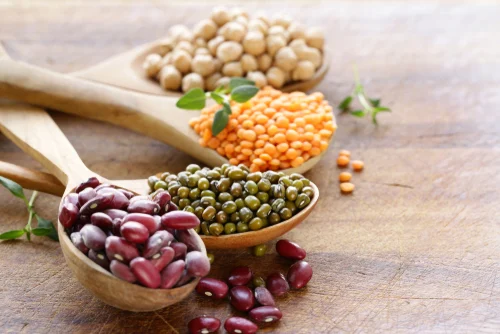
Agricultural experts and avian veterinarians are issuing a critical warning to the growing community of backyard poultry keepers regarding the severe health risks associated with feeding raw or undercooked dried beans to chickens. While legumes are a staple of human and animal nutrition, certain varieties in their raw state contain a potent toxin known as phytohaemagglutinin (PHA), a type of lectin that serves as a natural insecticide for the plant but can be lethal to avian species. Recent data suggests that as few as three to four raw kidney beans can cause the rapid death of an adult chicken, highlighting a significant knowledge gap in the "zero-waste" movement where kitchen scraps are frequently repurposed as poultry feed.
The primary culprit, phytohaemagglutinin, is found in high concentrations in many common bean varieties, particularly red kidney beans, but also in white kidney beans (cannellini), soy beans, and pinto beans. For the plant, these lectins act as a sophisticated defense mechanism against pests and pathogens. However, when ingested by monogastric animals or birds, the toxin binds to the carbohydrate portions of the cells lining the digestive tract. This binding interferes with cellular metabolism and causes significant damage to the intestinal mucosa, leading to a breakdown in nutrient absorption and severe systemic distress.

The Biological Impact of Phytohaemagglutinin on Avian Physiology
The physiological response of a chicken to PHA ingestion is both rapid and violent. Because chickens have a relatively fast metabolic rate and a unique digestive anatomy involving the crop, proventriculus, and gizzard, the toxin is processed quickly. Within hours of consumption, the bird may exhibit signs of extreme gastrointestinal distress. Symptoms typically include severe diarrhea, lethargy, and a visible loss of appetite. Unlike humans, who may experience intense vomiting as a primary symptom of lectin poisoning, chickens are physiologically limited in their ability to vomit, which means the toxin remains within their system longer, causing more extensive internal damage.
The toxicity of PHA is measured in Hemagglutinating Units (HAU). Raw red kidney beans can contain anywhere from 20,000 to 70,000 HAU. In contrast, fully cooked beans contain only 200 to 400 HAU, which is considered a safe level for consumption. For a creature as small as a chicken, which may weigh only four to seven pounds, the concentration of toxin in just a handful of raw beans is sufficient to cause a total collapse of the digestive system and subsequent organ failure.
Chronology of Awareness and Agricultural Safety Standards
The recognition of lectin toxicity in livestock is not a new phenomenon, but its relevance has surged alongside the popularity of urban farming. In the mid-20th century, as industrial poultry farming became the standard, feed formulations were strictly controlled. Soybeans, a primary protein source for poultry, were always heat-treated to neutralize anti-nutritional factors, including lectins and trypsin inhibitors.

The timeline of modern concern began to shift in the early 2000s with the resurgence of backyard flocks. As more hobbyists began supplementing commercial feed with kitchen leftovers, reports of "sudden chicken death syndrome" linked to garden waste began to surface in veterinary forums. By 2010, several prominent poultry experts, including Lisa Steele, a fifth-generation chicken keeper and author, began advocating for stricter guidelines on what constitutes "safe" kitchen scraps. This movement emphasized that while chickens are omnivores, their digestive systems are not "garbage disposals" and require specific exclusions to prevent accidental poisoning.
Preparation Protocols: Neutralizing the Threat
To ensure the safety of poultry, any dried beans intended for consumption must undergo a rigorous preparation process. Experts emphasize that simply soaking beans is insufficient to remove the danger. The following protocol is recommended by agricultural scientists to ensure the total neutralization of phytohaemagglutinin:
- Extended Soaking: Beans must be soaked in water for a minimum of 12 hours. This process begins the leaching of toxins and softens the bean for heat penetration.
- Water Disposal: The soaking water must be drained and discarded. It contains leached lectins and should never be used for cooking or given to animals.
- Rinsing: The beans should be thoroughly rinsed under fresh running water.
- Boiling: The most critical step is boiling. The beans must be placed in fresh water and brought to a rolling boil (100°C or 212°F) for at least 10 to 30 minutes.
A significant warning issued by the FDA and echoed by poultry experts is the danger of slow cookers. Phytohaemagglutinin must reach the boiling point to be deactivated. Research has shown that heating beans to only 80°C (176°F)—a common temperature for slow cookers—can actually increase the toxicity of the lectins up to five-fold, making them even more dangerous than in their raw state. Only after a thorough boil and subsequent cooling are the beans safe for chickens to consume.

Comparative Analysis of Bean Varieties and Legumes
Not all legumes carry the same level of risk, which often leads to confusion among poultry owners.
- High-Risk Beans: Red kidney beans are the most toxic. White kidney beans, black beans, and pinto beans also contain significant levels of PHA and must be treated with the same caution.
- Moderate-Risk Legumes: Soybeans contain lectins and trypsin inhibitors that interfere with protein digestion. While they are a staple of poultry feed, they are always commercially toasted or steamed before being added to the mix. Raw soybeans should never be fed to chickens.
- Low-Risk/Safe Legumes: Fresh green beans (string beans), peas, and Lima beans are generally considered safe in their fresh or frozen states. The levels of PHA in these varieties are negligible compared to dried kidney beans. However, moderation is still advised to maintain a balanced diet.
- Canned Beans: Canned beans are pre-cooked and therefore safe from a toxin perspective. However, they present a different health risk: high sodium content. Excessive salt intake in chickens can lead to salt poisoning, kidney dysfunction, and death. Owners are advised to rinse canned beans thoroughly to remove as much sodium as possible before feeding.
Expert Reactions and Industry Implications
The consensus among avian experts is one of cautious education rather than alarmism. Lisa Steele, founder of Fresh Eggs Daily, has frequently highlighted that "natural" does not always mean "safe." Her advocacy for old-timer methods combined with modern science focuses on the fact that while chickens can eat a variety of foods, the chemistry of raw pulses is a non-negotiable hazard.
Veterinary pathologists have noted that when chickens die from bean toxicity, the necropsy often reveals a highly inflamed intestinal tract and a liver that shows signs of acute stress. Because there is no specific "antidote" for PHA poisoning once the beans are digested, the veterinary community focuses heavily on prevention. "The issue is that by the time a chicken shows symptoms of lectin poisoning, the damage to the gut wall is often irreversible," states one report on avian toxicology.

The broader implications for the poultry industry involve the continuous monitoring of feed ingredients. As the price of traditional corn and soy fluctuates, there is often pressure to find alternative protein sources. This has led to increased research into the use of alternative legumes like faba beans or lupins in commercial feed, all of which require specific processing temperatures to ensure safety and nutritional availability.
Broader Impact on Backyard Flock Management
The "raw bean" warning serves as a broader case study in the complexities of backyard biosecurity and nutrition. As the number of households keeping chickens continues to rise across North America and Europe, the intersection of human food waste and animal health becomes a critical point of management.
For the modern homesteader, the takeaway is clear: the convenience of feeding kitchen scraps must be balanced with a rigorous understanding of avian biology. The risks associated with phytohaemagglutinin are a reminder that the natural world possesses potent chemical defenses that do not discriminate between a human consumer and a backyard hen.

In conclusion, while cooked beans can be a nutritious source of protein and fiber for poultry, the raw dried form remains a lethal hazard. Poultry owners are urged to inspect any garden waste or kitchen scraps for stray raw beans and to educate all members of the household on the fatal potential of this common pantry staple. Through proper preparation and informed feeding practices, the health and longevity of backyard flocks can be preserved against this preventable dietary tragedy.
