
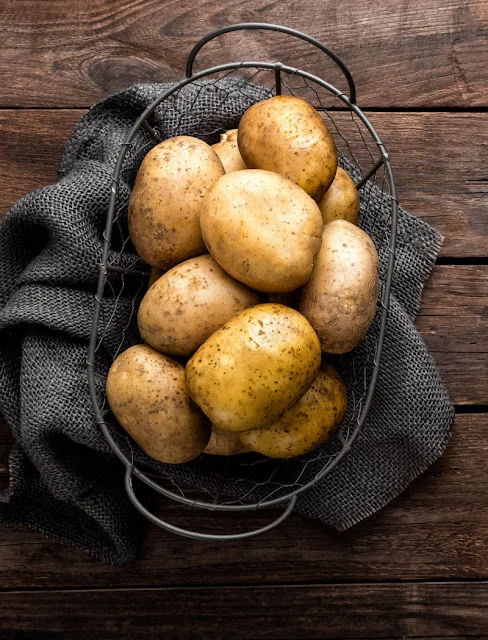
The question of whether backyard chickens can safely consume potatoes is a central concern for poultry keepers looking to supplement commercial feed with kitchen scraps and garden surplus. While chickens are opportunistic omnivores capable of digesting a vast array of organic matter, the biological differences between white potatoes, sweet potatoes, and yams dictate significantly different safety profiles for avian consumption. Agricultural experts and avian nutritionists emphasize that understanding the botanical classification of these tubers is essential to preventing solanine poisoning and ensuring the long-term health of the flock.

The Botanical Divide: Nightshades versus Morning Glories
To understand the risks associated with potato consumption, one must first examine the taxonomy of the plants involved. White potatoes (Solanum tuberosum), including red, yellow, and Russet varieties, belong to the Solanaceae family, commonly known as the nightshades. This family also includes tomatoes, eggplants, and peppers. The defining characteristic of the nightshade family is the production of glycoalkaloids, specifically solanine, as a natural defense mechanism against pests and disease.
In contrast, sweet potatoes (Ipomoea batatas) belong to the Convolvulaceae family, or the morning glory family. They do not produce solanine and are not botanically related to the white potato despite the shared name. Yams (Dioscorea), which are often confused with sweet potatoes in North American markets, belong to the Dioscoreaceae family and represent a third distinct botanical category. These distinctions are critical because the chemical compounds found in white potatoes can be neurotoxic to poultry, while sweet potatoes are considered a nutritional "superfood" for birds.

The Chemical Risk: Solanine and Its Effects on Poultry
Solanine is a bitter glycoalkaloid found throughout the white potato plant, with the highest concentrations located in the green skin, "eyes" or sprouts, and the leaves and stems. For chickens, solanine acts as both a gastrointestinal irritant and a neurotoxin. When ingested in sufficient quantities, it can lead to a range of clinical symptoms and, in severe cases, death.
According to veterinary toxicologists, the symptoms of solanine poisoning in chickens include:

- Hypersalivation and oral irritation.
- Severe gastrointestinal distress, including diarrhea and loss of appetite.
- Lethargy and depression.
- Neurological impairment, such as tremors, paralysis, or lack of coordination.
- Respiratory distress and eventual cardiac failure.
A common misconception among poultry owners is that boiling white potatoes neutralizes the toxins. Scientific analysis indicates that while high-heat frying or baking at temperatures exceeding 400 degrees Fahrenheit can partially degrade solanine, boiling has a negligible effect on the toxin’s concentration. The toxin is heat-stable and remains within the flesh and skin even after the potato has softened. Consequently, feeding boiled potato peels or sprouted potatoes to chickens remains a high-risk practice. While a single instance of consumption may not result in immediate mortality, glycoalkaloids can accumulate in the system, causing invisible damage to internal organs and weakening the bird’s immune response over time.
Sweet Potatoes: A Safe and Nutritious Alternative
While white potatoes pose a threat, sweet potatoes are highly recommended by poultry experts as a supplemental food source. Because they lack the solanine found in nightshades, every part of the sweet potato—including the flesh, skin, vines, and leaves—is safe for chickens to eat in both raw and cooked forms.

From a nutritional standpoint, sweet potatoes offer a superior profile compared to many other root vegetables. They are rich in:
- Beta-carotene (Vitamin A): Essential for maintaining healthy mucous membranes, respiratory health, and vibrant yolk color.
- Vitamin C: A powerful antioxidant that helps chickens manage heat stress and supports immune function.
- Vitamin B6: Vital for metabolic processes and brain development.
- Potassium and Manganese: Essential minerals for bone density and eggshell quality.
- Dietary Fiber: Supports a healthy gut microbiome, which is crucial for nutrient absorption.
Integrating sweet potatoes into a flock’s diet can be particularly beneficial during the winter months when forage is scarce. The high carbohydrate content provides the energy necessary for birds to maintain their body temperature in cold climates.

Yams and the Requirement for Thermal Processing
The confusion between sweet potatoes and yams often leads to safety oversights. True yams, which are native to Africa and Asia, contain natural plant proteins and compounds like oxalic acid that can be toxic or interfere with calcium absorption if consumed raw.
Oxalic acid is of particular concern for laying hens. When consumed in excess, it binds with calcium in the bloodstream, making the mineral unavailable for eggshell formation. This can lead to "rubber eggs" or soft-shelled eggs, and in chronic cases, it can deplete the hen’s skeletal calcium, leading to osteoporosis. Therefore, yams must always be peeled and thoroughly cooked before being offered to chickens. Once cooked, yams provide a safe source of fiber, potassium, and Vitamin B5, contributing to heart health and bone strength.

Best Practices for Feeding Supplemental Tubers
Even when feeding safe varieties like sweet potatoes, poultry management experts advise following the "10% rule." This guideline dictates that treats and supplements should never exceed 10% of a chicken’s total daily caloric intake. The remaining 90% should consist of a high-quality, nutritionally balanced commercial layer or grower feed. Over-reliance on scraps can lead to nutritional deficiencies, as chickens may fill up on tasty tubers and neglect the protein and calcium-rich pellets required for consistent egg production.
The recommended protocol for offering potatoes to a flock includes:

- Strict Avoidance: Never feed green potatoes, potato sprouts, or the vines of white potatoes to chickens.
- Preparation: Peel and cook yams and white potatoes (if used at all) to reduce the risk of toxicity and improve digestibility. Sweet potatoes can be served raw, but grating or dicing them makes it easier for the birds to consume.
- Mold Inspection: Chickens are highly susceptible to mycotoxins found in moldy food. Any potato, regardless of variety, that shows signs of rot or mold should be discarded rather than fed to the flock.
- Moderation: Limit tuber intake to approximately one tablespoon per bird per day.
Broader Implications for Flock Health and Sustainability
The move toward feeding kitchen scraps is part of a broader trend in sustainable "circular" agriculture, where household waste is converted into high-protein eggs. However, the biological sensitivity of chickens requires a disciplined approach to this practice.
The agricultural community suggests that the safest path for the average backyard keeper is to phase out white potatoes entirely in favor of sweet potatoes. This not only eliminates the risk of accidental solanine poisoning but also simplifies flock management. By growing sweet potatoes in the garden, poultry owners can provide a sustainable source of both summer forage (from the vines) and winter energy (from the tubers).

Furthermore, the impact of diet on egg quality cannot be overstated. A diet enriched with the carotenoids found in sweet potatoes leads to deeper orange yolks, which are often preferred by consumers for their perceived nutritional value and flavor. Conversely, the stress of sub-lethal toxin ingestion from white potatoes can lead to a drop in egg production and poor shell quality, directly impacting the productivity of the backyard homestead.
Conclusion and Expert Summary
The consensus among avian experts is clear: while chickens are resilient, their digestive systems are not invincible. The distinction between the Solanaceae and Convolvulaceae families is a matter of life and death in poultry nutrition.

- White Potatoes: High risk due to solanine. All parts should be avoided, particularly green skins and sprouts. If fed, they must be fully ripe, peeled, and baked at high temperatures.
- Sweet Potatoes: Zero risk of solanine. Highly nutritious and safe in all forms (raw, cooked, leaves, and stems).
- Yams: Safe only when cooked and peeled. Contain oxalic acid, which requires moderate consumption to protect eggshell integrity.
By adhering to these botanical guidelines and maintaining a treat-to-feed ratio of 1:10, poultry keepers can ensure their birds remain healthy, productive, and safe from the hidden dangers of the nightshade family. The transition to sweet potatoes represents a simple but effective upgrade in backyard biosecurity and nutritional management.
