
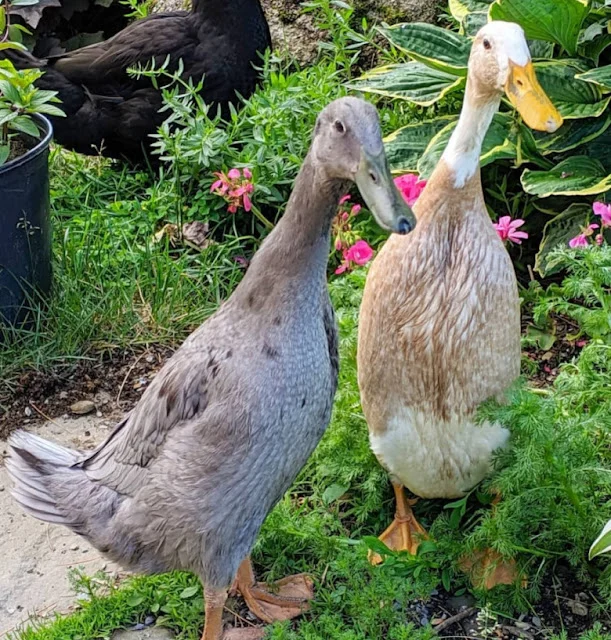
The Indian Runner duck, scientifically classified as a subspecies of Anas platyrhynchos domesticus, represents one of the most distinctive and evolutionarily specialized breeds in the domestic poultry world. Characterized by an extraordinary upright posture and a physiological inability to waddle in the manner of traditional waterfowl, the Indian Runner has transitioned from a historical utility bird in Southeast Asia to a cornerstone of sustainable agriculture and genetic conservation in the 21st century. Unlike the heavy-set, horizontal profile of the Pekin or the Muscovy, the Indian Runner possesses a long, cylindrical body and a neck that extends vertically, leading to its frequent comparison to a bowling pin or a penguin. This unique morphology is not a decorative accident but the result of centuries of selective breeding designed to facilitate high-mobility foraging and prolific egg production.

Historical Chronology: From Ancient Asia to Global Distribution
The lineage of the Indian Runner duck is deeply rooted in the maritime and agricultural history of Southeast Asia, specifically within the regions of Indonesia, Bali, and the Malay Archipelago. While the exact moment of domestication remains a subject of archeological debate, stone carvings discovered in Java dating back more than 2,000 years depict ducks with the unmistakable upright carriage of the Runner. This suggests that the breed’s unique silhouette has been established for two millennia, making it one of the oldest identifiable domestic duck breeds in existence.
For centuries, the Indian Runner served a vital role in the "duck herding" traditions of Indonesian rice farmers. In this traditional agricultural system, farmers would drive large flocks of these ducks into harvested rice paddies. The ducks performed a dual service: they consumed pests such as snails, slugs, and various insects that threatened the crops, and they provided natural fertilization through their droppings. This early form of integrated pest management relied on the Runner’s ability to travel long distances on foot. Unlike other breeds that tire quickly when walking, the Runner was bred for stamina and speed, allowing herds to be moved from village to field and back again on a daily basis.

The breed’s introduction to the Western world occurred in the mid-19th century. Shipping records indicate that Runner ducks were brought to the United Kingdom by sea captains in the 1830s and 1840s. Their arrival sparked immediate interest among naturalists and poultry enthusiasts. Charles Darwin, the famed biologist, noted the breed’s unique characteristics, referring to them as "penguin ducks" due to their gait and vertical alignment. By the late 1800s, the breed had reached the United States, where it was officially recognized by the American Poultry Association (APA) in 1898. Its arrival revolutionized the duck egg industry, as Western farmers had previously relied on less prolific breeds for egg production.
Morphological Characteristics and Anatomical Specialization
The most striking feature of the Indian Runner is its vertical carriage, typically maintained at an angle of 50 to 80 degrees relative to the ground. When startled or highly alert, the bird can achieve a near-perfect 90-degree vertical stance. This posture is made possible by the placement of the legs, which are set much further back on the body than those of a standard Mallard-derived duck. While this posterior leg placement makes the Runner an awkward swimmer compared to its cousins, it grants the bird a running gait rather than a waddle.

In terms of physical dimensions, the Indian Runner is classified as a "light" breed. Adult drakes (males) typically weigh between 3.5 and 5 pounds (1.6 to 2.3 kg), while ducks (females) weigh between 3 and 4.5 pounds (1.4 to 2 kg). They stand approximately 20 to 26 inches (50 to 66 cm) tall from the ground to the top of the head. Their wings are notably short in proportion to their body length, rendering them flightless. This lack of flight, combined with their running ability, makes them exceptionally easy for farmers to manage within fenced perimeters.
The breed is also celebrated for its genetic diversity regarding plumage. The Indian Runner holds the distinction of having more recognized color varieties than almost any other duck breed. The APA and various international poultry standards recognize up to 16 different colors, including White, Fawn, Chocolate, Black, Blue, Silver, and Trout. This variety is a testament to the extensive breeding programs that took place in Europe and North America during the 20th century, where the focus shifted from purely utilitarian traits to aesthetic standards for exhibition.

The Economic Impact of Egg Production and Genetic Contributions
From a commercial perspective, the Indian Runner duck is often described as the "Leghorn of the duck world." Their primary economic value lies in their extraordinary capacity for egg production. A healthy female Runner can lay between 180 and 250 eggs per year, with some exceptional strains documented to lay upwards of 300. The eggs are medium to large in size, weighing approximately 70 to 80 grams, and typically feature a white or light greenish-blue shell.
This high productivity was the catalyst for the development of several other famous breeds. In the early 20th century, breeders in England sought to combine the egg-laying prowess of the Runner with a bird that had better meat qualities. This led to the creation of the Khaki Campbell, a breed that utilized Indian Runner genetics to become one of the most famous egg-layers in history. Similarly, the Buff Orpington duck owes a significant portion of its genetic lineage to the Runner.

Unlike many other domestic ducks, Runners do not typically display strong maternal or "broody" instincts. Because they were bred for centuries as workers and layers, the drive to sit on a nest for the 28-day incubation period has been largely bred out of most commercial lines. Consequently, modern farmers often rely on artificial incubation or "foster" mothers (such as Muscovy ducks or chickens) to hatch Runner eggs. However, when a Runner does successfully hatch a clutch, the social nature of the breed often results in cooperative parenting within the flock.
Integrated Pest Management: The Runner Duck in Sustainable Agriculture
In the modern era, the Indian Runner has seen a resurgence in popularity due to the global shift toward organic and sustainable farming practices. Their historical role as "pest controllers" in Indonesian rice paddies is now being replicated in high-value agricultural sectors, most notably in viticulture.

In several prominent wine-growing regions, including the Stellenbosch district of South Africa and various vineyards in Oregon and California, Indian Runner ducks are employed as a biological alternative to chemical pesticides. Vineyards such as Vergenoegd Löw Wine Estate in South Africa maintain thousands of Runners. These "duck armies" are released into the vineyards daily to consume white dune snails and various beetles that damage grapevines.
Statistical data from these operations suggest that the use of Runner ducks can reduce the need for chemical snail pellets by up to 100% in some seasons. Furthermore, the ducks’ activity provides significant environmental benefits:

- Soil Aeration: Their constant movement and foraging help lightly aerate the topsoil.
- Natural Fertilization: Their waste provides a high-nitrogen fertilizer that is immediately available to the plants.
- Biodiversity: By eliminating the need for broad-spectrum pesticides, farmers allow other beneficial insect populations to thrive.
The behavioral traits of the Runner make them ideal for this work. They are highly social, move in cohesive groups, and possess an inquisitive nature that ensures they scour every inch of a designated area for forage.
Behavioral Traits and Social Hierarchy
The temperament of the Indian Runner duck is characterized by high energy, intelligence, and a degree of skittishness. They are significantly more active than heavier breeds like the Rouen or Aylesbury. Due to their high metabolic rate and active lifestyle, they require more space to roam and forage. When kept in confinement, they are prone to stress, which can negatively impact their egg production.

Socially, Runners are highly gregarious. They exhibit a strong "flocking instinct," which means they prefer to move as a single unit. This behavior is a survival mechanism rooted in their history of being herded by humans. While they can be wary of strangers, Runners raised from ducklings can become quite docile and accustomed to human interaction. However, they lack the "pet-like" lethargy of some other breeds, preferring to spend their daylight hours in constant motion.
Conservation Status and the Livestock Conservancy
Despite their global presence, the Indian Runner has faced challenges regarding genetic purity and population stability. The Livestock Conservancy currently lists the Indian Runner duck under the "Recovering" status. This classification is applied to breeds that were once in danger but are now seeing an upward trend in population numbers and a renewed interest from breeders.

The decline of the Runner in the mid-20th century was largely due to the industrialization of the egg industry, which favored high-density chicken batteries over pasture-raised ducks. Additionally, the rise of "ornamental" breeding sometimes prioritized appearance over the utility traits (like egg count and foraging ability) that defined the breed. Current conservation efforts focus on maintaining the "working" qualities of the Runner, ensuring that the breed retains the stamina and productivity that have characterized it for two millennia.
Broader Impact and Future Implications
The Indian Runner duck stands as a prime example of how traditional livestock breeds can offer solutions to modern environmental challenges. As the agricultural industry faces increasing pressure to reduce its reliance on synthetic chemicals and move toward regenerative models, the utility of the "pest-hunting" duck becomes more apparent.

Furthermore, the Runner’s role in maintaining genetic diversity in the poultry sector cannot be overstated. By preserving the unique physiological and behavioral traits of the Runner, scientists and farmers ensure a broad genetic base that may be vital for future food security. The breed’s resilience, combined with its low environmental footprint and high output, positions it as a key player in the future of small-scale homesteading and large-scale sustainable farming alike.
In conclusion, the Indian Runner is far more than a visual curiosity. It is a highly specialized biological tool, a historical artifact of Southeast Asian ingenuity, and a modern asset in the pursuit of ecological balance. Whether utilized for their prolific egg production, their efficiency in pest control, or their role in genetic conservation, these "running" ducks continue to demonstrate that ancient breeds hold significant value in a rapidly changing world.
