

The Philippines is grappling with a severe energy crisis, exacerbated by the ongoing geopolitical tensions between the US and Iran, which has significantly impacted the nation’s energy supply and driven up prices. In response to the mounting hardship faced by millions of Filipino families, Wetlands International has voiced its deep solidarity and urged the government to accelerate a decisive shift towards renewable energy sources. The organization has also expressed profound concern over renewed proposals for oil and gas exploration within the ecologically vital Liguasan Marsh, emphasizing that any resource exploitation must be preceded by rigorous environmental assessments and robust community consultations.
The Deepening Energy Crisis and its Human Toll
The current energy predicament stems from a confluence of factors, with the US-Iran war acting as a significant disruptor in global oil markets. This has translated into volatile fuel prices and supply uncertainties for the Philippines, a nation heavily reliant on imported fossil fuels. The declaration of a State of National Energy Emergency under Executive Order 110 underscores the gravity of the situation, signaling a critical juncture for the country’s energy security. Millions of Filipino households are bearing the brunt of this crisis, facing increased costs for electricity, transportation, and essential goods. Small businesses, already struggling with economic recovery, are particularly vulnerable to rising operational expenses.
Wetlands International, in its statement released on April 14, 2026, highlighted the severe repercussions of this crisis, recognizing the immense hardship it has inflicted. The organization stands with communities in advocating for "urgent, long-term, and sustainable solutions," with a primary focus on investing in renewable energy. This approach, they argue, is crucial for ensuring energy security without compromising the Philippines’ rich natural heritage.
Liguasan Marsh: A Jewel of Biodiversity Under Threat
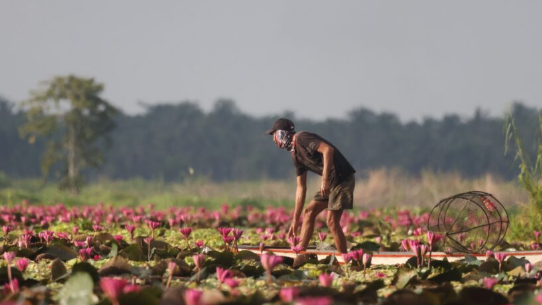
The Liguasan Marsh, located in south-central Mindanao, is a sprawling wetland system recognized as the largest of its kind in the Philippines. It is not merely a vast expanse of water and vegetation; it is a critically important and biodiverse ecosystem, home to a multitude of endemic species and vital for the ecological balance of the region. Furthermore, it plays a crucial role in the lives of local communities, supporting fisheries, providing a source of livelihood, and acting as a natural buffer against floods, a growing concern in an era of escalating climate change impacts.
The renewed push for oil and gas exploration in the Liguasan Marsh has ignited significant alarm among environmental organizations. Wetlands International has explicitly stated its "deep concern over renewed efforts to pursue oil and gas exploration" in this sensitive area. While acknowledging the imperative to address the energy emergency, the organization stresses that the marsh’s ecological fragility demands the "highest level of environmental scrutiny."
Dr. Annadel Cabanban, Country Director of Wetlands International Philippines, articulated this concern with stark clarity: "The Liguasan Marsh is not just a wetland—it is a lifeline for communities, wildlife, and our climate resilience. We cannot afford to damage an ecosystem that safeguards us from floods, supports fisheries, and stores vast amounts of carbon. A truly secure energy future is one that strengthens, not sacrifices, the natural systems that protect Filipino lives."
The Perils of Unregulated Resource Extraction
The potential consequences of pursuing fossil fuel exploration in a sensitive ecosystem like the Liguasan Marsh are multifaceted and severe. Wetlands International has outlined these risks, warning of irreversible damage:
- Water Source Contamination: Oil and gas extraction activities can lead to the contamination of freshwater sources, impacting both human consumption and the health of aquatic ecosystems.
- Increased Flooding: The disturbance of wetland structures and the potential for spills can disrupt natural water flow, exacerbating flood risks for surrounding communities, particularly during intense rainfall events.
- Biodiversity Loss: The Liguasan Marsh is a critical habitat for numerous species of birds, fish, reptiles, and amphibians. Exploration and extraction activities can lead to habitat destruction, fragmentation, and direct harm to wildlife.
- Carbon Emissions: Disturbing wetland soils can release significant amounts of stored carbon into the atmosphere, contributing to greenhouse gas emissions and undermining global efforts to combat climate change.
- Threats to Livelihoods and Cultural Heritage: The marsh’s ecological integrity is intrinsically linked to the livelihoods of local communities, many of whom depend on fishing and other marsh-related activities. Damage to the ecosystem can devastate these livelihoods and threaten their cultural heritage.
The organization emphasizes that these risks extend beyond the immediate vicinity of the Liguasan Marsh, threatening the broader network of the Philippines’ wetlands and forests. Degrading these natural systems erodes the essential ecosystem services they provide, including clean water supply, food security, coastal protection, and biodiversity support.
The Case for Renewable Energy: A Sustainable Path Forward
Wetlands International strongly advocates for a rapid and just transition to renewable energy as the most viable and sustainable solution to the Philippines’ energy challenges. The organization points to the successes of neighboring Southeast Asian nations as compelling evidence that energy security and environmental protection can indeed advance in tandem.
Examples cited include:
- Vietnam’s rapid solar expansion: Demonstrating the potential for swift integration of solar power into the national grid.
- Indonesia’s renewable microgrids: Highlighting the effectiveness of decentralized renewable energy solutions for remote communities.
- Thailand’s community-based biomass systems: Showcasing how local resources can be harnessed sustainably for energy needs.
- Malaysia’s competitive solar auctions: Illustrating market-driven approaches to accelerating renewable energy deployment.
These examples underscore that investing in renewables is not just an environmental imperative but also an economically sound strategy that can foster energy independence and create new green jobs.
Dr. Cabanban further elaborated on this critical linkage: "Moving away from fossil fuels is not only an energy decision—it is a wetlands decision. Every wetland we protect strengthens our resilience against floods, droughts, and climate impacts that fossil fuels continue to worsen. By reducing our reliance on oil and investing in renewable energy, we allow vital wetlands like the Liguasan Marsh to keep doing what they do best: protect communities, sustain biodiversity, and stabilize our climate."
A Call for Responsible Governance and Future-Oriented Planning
Wetlands International’s appeal to the Philippine government is a call for responsible governance and a long-term, future-oriented energy strategy. The organization implores the government to prioritize and fast-track its decisive shift toward renewable energy, ensuring that any decisions regarding natural resource exploitation are made with the utmost consideration for environmental integrity and community well-being.

The statement reiterates that "any exploration or exploitation of natural resources must proceed only after thorough environmental assessment and meaningful consultation with scientific and environmental experts." The core message is clear: the nation’s precious natural ecosystems, particularly its freshwater and coastal wetlands, should "never be sacrificed in the pursuit of short-term development gains."
The organization recognizes the immediate need for action to stabilize the energy sector but insists that this action must be guided by principles of sustainability and resilience. Fossil-fuel extraction in fragile ecosystems is presented not as a solution but as a detrimental path that exacerbates existing environmental and climate vulnerabilities.
The Broader Implications: Climate Resilience and National Security
The implications of the current energy crisis and the potential for environmental degradation extend far beyond immediate economic concerns. They touch upon the very foundations of national security, climate resilience, and the long-term well-being of the Filipino people.
Degrading vital wetlands and forests weakens the nation’s natural defenses against climate change impacts. These ecosystems are crucial for regulating water cycles, preventing soil erosion, and providing natural barriers against storm surges and flooding. Their destruction directly undermines the Philippines’ capacity to adapt to a changing climate, increasing the vulnerability of communities, particularly those in low-lying coastal areas and riverine systems.
Furthermore, the release of stored carbon from disturbed ecosystems contributes to global warming, a phenomenon that disproportionately affects island nations like the Philippines. This not only compromises the country’s own climate commitments but also intensifies the very climate impacts that necessitate adaptation and resilience measures.
Wetlands International’s Commitment to Partnership
Wetlands International Philippines has pledged its commitment to working collaboratively with government agencies, civil society partners, and scientific institutions. The organization stands ready to contribute its expertise and resources to help shape a resilient and sustainable energy transition. This transition, they emphasize, must be rooted in sound science, respect for ecological limits, and genuine community welfare.
The current energy crisis, while posing significant challenges, also presents an opportunity for the Philippines to chart a new course. It is a chance to forge a future where energy security is intrinsically linked with environmental protection, climate resilience, and the dignity and well-being of all Filipinos. The path forward, as advocated by Wetlands International, is one that embraces innovation, prioritizes sustainability, and safeguards the invaluable natural heritage of the Philippines for generations to come.
