
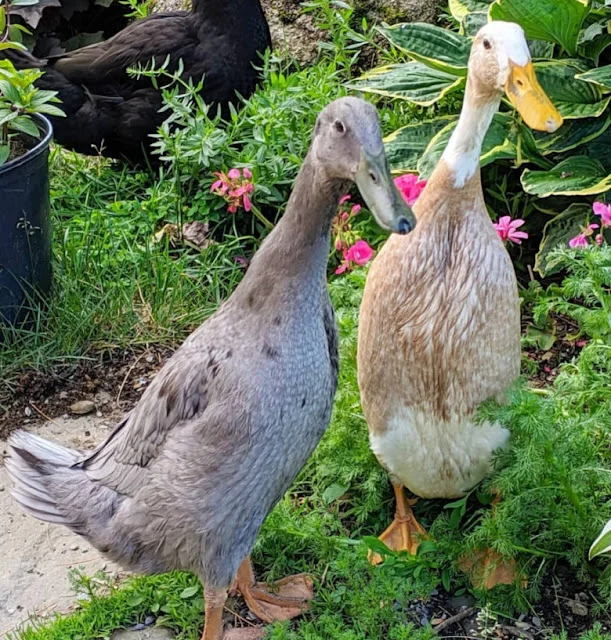
The Indian Runner duck, a breed defined by its distinctive vertical carriage and remarkable foraging capabilities, represents one of the most unique avian lineages in domestic agriculture. Unlike the traditional waddle associated with most waterfowl, the Indian Runner possesses an upright posture that has earned it comparisons to both bowling pins and penguins. This morphological trait is not merely an aesthetic curiosity but is the result of centuries of selective breeding aimed at creating a highly mobile, efficient pest-control agent for the agricultural landscapes of Southeast Asia. Today, the breed is experiencing a resurgence in popularity among small-scale farmers, organic vintners, and conservationists who value its prolific egg production and its role in sustainable integrated pest management.

Anatomical Evolution and the Upright Stature
The most striking feature of the Indian Runner is its vertical stance, typically held at an angle of 50 to 80 degrees. In moments of heightened alertness, the birds can stand completely perpendicular to the ground. This posture is necessitated by the placement of their legs, which are set much further back on the body than those of the Mallard (Anas platyrhynchos), from which they descend. While this anatomical shift renders them incapable of the horizontal waddle seen in breeds like the Pekin or Rouen, it allows them to run with a smooth, rapid gait.
Standing between 24 and 30 inches tall, Indian Runners are classified as a "light" breed, with mature weights ranging from three to five pounds. Their wings are disproportionately small relative to their body length, rendering them flightless, a trait common among domestic ducks bred for confinement and egg production. This combination of flightlessness and high-speed terrestrial mobility made them ideal for the specific agricultural practices of their region of origin.

A Chronological History: From Java to the West
The history of the Indian Runner spans over two millennia, with its origins rooted deeply in the islands of Indonesia and the surrounding regions of Southeast Asia.
Ancient Origins (c. 200 BCE – 1800s)
Archaeological evidence, including stone carvings found on the island of Java, suggests that upright ducks have been part of the human agricultural landscape for more than 2,000 years. For centuries, these birds were integral to the rice-growing cycles of Indonesia and India. Farmers utilized a "herding" system where flocks were driven into rice paddies during the day to forage on snails, slugs, insects, and weed seeds. This symbiotic relationship provided the ducks with a high-protein diet while protecting the rice crops from pests and providing natural fertilization through manure. At dusk, the birds were herded back to enclosures, a practice that favored individuals with high stamina and the ability to travel long distances on foot.

European Introduction (Mid-19th Century)
The breed first gained international attention in the mid-1800s when merchant ships brought specimens to the United Kingdom. Their arrival sparked immediate interest among naturalists and poultry enthusiasts. Charles Darwin, the father of evolutionary biology, famously referred to them as "penguin ducks" due to their unusual silhouette. By the late 1800s, the breed had been standardized in England, and by 1898, it was officially recognized by the American Poultry Association.
Modern Development (20th Century to Present)
Throughout the 20th century, the Indian Runner played a pivotal role in the development of other high-utility breeds. Its genetics were foundational in the creation of the Khaki Campbell and the Buff Orpington, both of which are renowned for their egg-laying abilities. However, as industrial agriculture moved toward highly specialized meat and egg breeds, the Runner’s popularity waned, eventually landing it on conservation watchlists.

Agricultural Utility and Integrated Pest Management
The primary appeal of the Indian Runner in contemporary agriculture lies in its "working" capabilities. Unlike chickens, which often scratch at the soil and can damage delicate root systems or young plants, ducks use their bills to sift through vegetation and mud. This makes them safer for use in established gardens and vineyards.
The Vineyard Model
One of the most prominent modern applications of Indian Runner ducks is found in the global wine industry. Prominent vineyards in South Africa and the United States have deployed "flocks" of hundreds of Runners to manage snail and slug populations. By utilizing ducks, these estates can significantly reduce or eliminate the use of chemical pesticides, allowing for organic and biodynamic certification. Data from these operations indicate that a well-managed flock can patrol several acres a day, effectively keeping pest populations below the threshold of economic damage.

Egg Production Metrics
While often kept for pest control, Indian Runners are among the most prolific egg layers in the poultry world. A healthy female can produce between 180 and 250 eggs per year, with some exceptional lines exceeding 300. The eggs are medium to large, typically weighing between 65 and 80 grams, and feature shells ranging from pearlescent white to pale light green or blue.
Nutritionally, duck eggs are often favored by bakers for their higher fat content and larger yolks, which contribute to richer textures in baked goods. From a commercial standpoint, the consistency of the Runner’s laying cycle—often beginning as early as five months of age—makes them a viable alternative to chickens for specialized egg producers.

Genetic Diversity and Color Varieties
The Indian Runner holds the distinction of having the widest array of recognized color varieties of any duck breed. The American Poultry Association and other international bodies recognize numerous variations, including:
- Fawn and White: The most traditional and widely recognized pattern.
- Blue: A soft, slate-gray plumage.
- Chocolate: A deep, uniform brown.
- Black: Featuring a beetle-green sheen in sunlight.
- White: Pure white plumage with orange shanks and bills.
- Trout and Mallard: Patterns that mimic the ancestral wild coloring.
This genetic diversity is a testament to the long history of the breed across different geographic pockets of Southeast Asia, where local preferences and environmental factors influenced the selection of plumage.

Conservation Status and Biodiversity
The Livestock Conservancy currently lists the Indian Runner duck under the "Recovering" status. This classification is reserved for breeds that were once in danger of extinction but are now seeing an upward trend in registered populations.
The decline of the breed in the mid-20th century was largely due to the rise of the commercial Pekin duck, which dominates the meat industry, and the White Leghorn chicken, which dominates the egg industry. Heritage breeds like the Runner were sidelined as "niche." However, the modern movement toward food security, heritage breed preservation, and regenerative agriculture has provided a safety net for the breed. Conservationists argue that maintaining the Indian Runner gene pool is vital for future agricultural resilience, as the breed possesses natural hardiness and foraging instincts that have been lost in more industrialized poultry lines.

Temperament and Husbandry Requirements
From a management perspective, Indian Runners are noted for their high energy and social nature. They are highly gregarious birds that must be kept in flocks; a solitary Runner will often suffer from significant stress.
Behavior
While docile and rarely aggressive, the breed is notoriously skittish. Their "flight" response is to run in a tight-knit group, often moving in unison like a school of fish. This "flocking instinct" makes them easier to herd than many other duck breeds, which is why they were historically used in "duck herding" demonstrations and trials, similar to sheepdog trials.

Maternal Instincts
A notable trait of the Indian Runner is its generally low level of broodiness. Because they were selectively bred for centuries to maximize egg output and to work in fields during the day, the instinct to sit on a nest was largely bred out of them. While there are exceptions—documented cases of "Runner" ducks successfully hatching and raising ducklings—most breeders rely on artificial incubation or "broody" hens of other breeds to hatch Runner eggs.
Broader Impact and Future Implications
The resurgence of the Indian Runner duck reflects a broader shift in how society views agricultural productivity. As the limitations of monoculture and chemical-heavy farming become more apparent, the "multi-purpose" nature of heritage breeds offers a path forward.

The Indian Runner is more than an ornamental curiosity; it is a biological tool that provides high-quality protein while simultaneously performing ecological services. As climate change shifts pest pressures and consumers increasingly demand "green" agricultural products, the demand for integrated solutions like the Runner duck is expected to grow. The breed’s transition from the ancient rice paddies of Java to the high-end vineyards of the 21st century serves as a prime example of how traditional agricultural wisdom can be adapted to meet modern sustainability goals.
In conclusion, the Indian Runner duck remains a vital link to agricultural history and a promising component of future farming. Its unique physiology, remarkable productivity, and environmental utility ensure that it will remain a fixture of the global agricultural landscape for years to come. For the homesteader and the commercial farmer alike, the breed offers a rare combination of entertainment, efficiency, and ecological harmony.
