
The avian incubation process is a complex biological sequence that varies significantly across different species of birds and waterfowl, requiring precise environmental conditions and timing to ensure successful hatching. For modern homesteaders and backyard poultry enthusiasts, understanding these species-specific timelines is not merely a matter of curiosity but a fundamental requirement for flock expansion and genetic preservation. As the trend toward self-sufficiency and local food security continues to grow globally, the practice of hatching chicks—whether through mechanical incubation or the use of broody hens—has emerged as a cornerstone of sustainable small-scale agriculture.
The Biological Mechanics of Poultry Incubation
Incubation is the process by which certain oviparous (egg-laying) animals hatch their eggs; it refers to the development of the embryo within the egg under favorable environmental conditions. While the fundamental goal remains the same across all poultry, the duration of this development is hard-coded into the DNA of each species. According to agricultural data, the primary variables affecting a successful hatch include temperature, humidity, ventilation, and the regular turning of the eggs to prevent the embryo from sticking to the shell membrane.

In a natural setting, a broody hen—a bird whose maternal instincts have been triggered to sit on a clutch of eggs—manages these variables instinctively. She will cease laying new eggs and instead focus on maintaining a consistent temperature of approximately 100 degrees Fahrenheit (37.8 degrees Celsius) using her body heat. In a mechanical setting, an incubator must mimic these conditions with high precision. Failure to adhere to the specific timeline of a species can lead to "late-term quitters" or developmental deformities.
Chronological Breakdown of Species-Specific Hatching Periods
The most critical factor for any poultry keeper is the "incubation window," which dictates how long the eggs must be kept under consistent heat before the internal pip and final hatch occur.
Gallus Gallus Domesticus: The 21-Day Cycle
Chicken eggs are the industry standard for backyard hatching, characterized by a reliable 21-day incubation period. The development of a chicken embryo is rapid: by day three, the heart begins to beat; by day six, the voluntary movement starts; and by day 12, feathers begin to appear.

For those utilizing a broody hen, the bird typically begins her full-time sitting duties once she has accumulated a "clutch"—usually between six and twelve eggs. This behavior ensures that despite being laid on different days, the embryos begin developing at the same time once consistent heat is applied. This biological synchronization results in the entire clutch hatching within a narrow 24-hour window, which is vital for the mother hen to transition from sitting on eggs to caring for mobile chicks.
Waterfowl: The Extended 28 to 35-Day Window
Duck and goose eggs require a significantly longer commitment than chickens. Most domestic duck breeds, such as Pekins or Rouens, require exactly 28 days to hatch. However, the Muscovy duck, which is genetically distinct from other domestic ducks, requires approximately 35 days.
Geese present an even broader range. Lighter breeds of geese generally hatch around the 28-day mark, whereas heavier, larger breeds can take up to 35 days. Waterfowl incubation also demands higher humidity levels compared to landfowl, as the porous nature of their shells is adapted to the damp environments of nests near water bodies.

Quail and Small Game Birds: The Accelerated 18-Day Cycle
On the opposite end of the spectrum, quail eggs are known for their rapid development. Most common varieties, such as the Coturnix quail, hatch in just 18 days. Due to their small size and high metabolic rates, quail embryos develop with remarkable speed. This makes them a popular choice for educators and hobbyists seeking a shorter observation window, though their small size makes them more sensitive to temperature fluctuations during the final stages of incubation.
Exotic and Large Avian Species
For specialized poultry keepers, the timelines extend even further. Turkey eggs mirror the 28-day cycle of ducks. However, moving into the realm of ratites—large, flightless birds—the timelines increase exponentially. Ostrich eggs require between 42 and 46 days of incubation, while the emu, known for its striking dark green eggs, requires an average of 56 days.
Strategic Management: Storage and Synchronization
A common challenge for poultry keepers is collecting enough fertile eggs to fill an incubator or a broody hen’s nest. Research indicates that fertile eggs can be stored for up to seven to ten days before incubation begins, provided they are kept in a cool, stable environment (ideally between 55 and 60 degrees Fahrenheit) and turned daily.

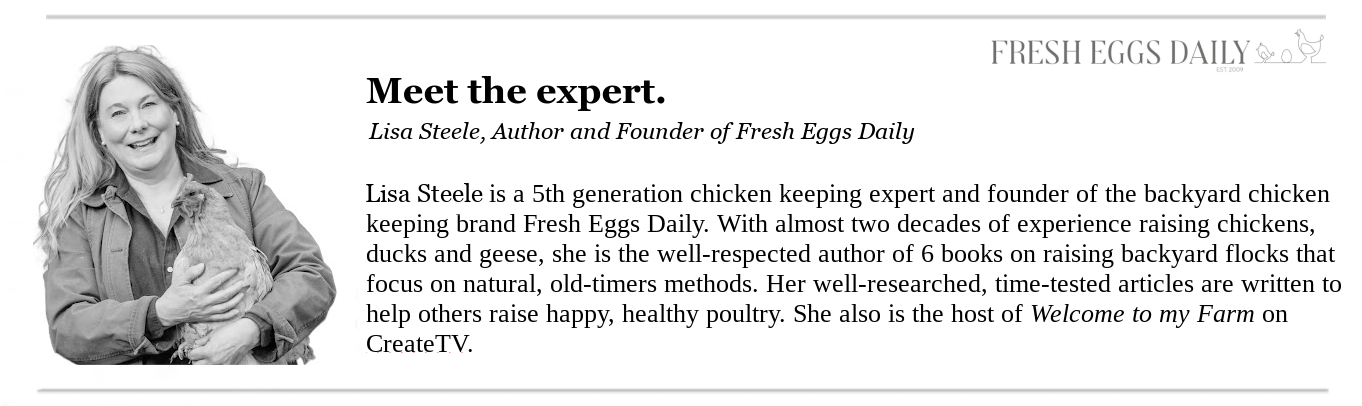
Expert poultry handler Lisa Steele, a fifth-generation chicken keeper and author, emphasizes the importance of not washing eggs intended for hatching. "Unwashed eggs retain their ‘bloom’ or cuticle, a natural protective coating that prevents bacteria from entering the porous shell," Steele notes in her agricultural guides.
Furthermore, synchronization is paramount. To ensure a uniform hatch date, all eggs must be placed in the incubator or under the hen simultaneously. This prevents a scenario where a hen abandons unhatched, late-developing eggs to care for the chicks that have already emerged.
The Risks of Interspecies Brooding
While a broody hen is often willing to sit on any egg-shaped object—ranging from the eggs of other species to wooden decoy eggs—agricultural experts generally advise against mixed-species hatching. The primary issue is the discrepancy in incubation times. If a chicken (21 days) is sitting on duck eggs (28 days), she may become restless and abandon the nest a week before the ducklings are ready to hatch.

Additionally, there are behavioral implications known as "imprinting." Ducklings hatched by a chicken will follow the hen’s lead, but physiological differences eventually cause "maternal confusion." For instance, a mother hen may experience significant distress when her "chicks" (actually ducklings) instinctively head toward water to swim, a behavior the hen cannot replicate or supervise.
Technical Requirements for Artificial Incubation
For those opting for mechanical incubators over broody hens, modern technology has provided tools that increase success rates. However, the human element remains vital. Key data points for successful artificial incubation include:
- Temperature Consistency: A constant 99.5°F (37.5°C) is required for forced-air incubators. Even a one-degree variance over a prolonged period can lead to hatch failure.
- Humidity Control: For the first 18 days (in chickens), humidity should be maintained at 45-50%. During the "lockdown" period (the final three days), this must be increased to 65-70% to ensure the membrane remains soft enough for the chick to break through.
- Turning Frequency: Eggs must be turned at least three to five times a day to prevent the embryo from adhering to the shell. Most modern units feature automatic turners to mitigate this risk.
Economic and Agricultural Implications
The resurgence of interest in hatching poultry comes at a time of fluctuating commercial egg prices and a growing desire for organic, pasture-raised protein sources. By hatching their own flocks, producers can bypass the "mail-order" system of hatcheries, which often involves significant stress on day-old chicks during transport.

Moreover, hatching at home allows for the preservation of heritage breeds that are not commonly found in industrial agriculture. Breeds such as the Orpington, Sussex, or Marans offer genetic diversity that strengthens the overall resilience of the domestic poultry population against diseases and environmental shifts.
From a cost-analysis perspective, while the initial investment in a high-quality incubator and fertile eggs can be significant, the long-term ability to replenish a flock without external purchases provides a level of agricultural independence. For many, the "fun and economical" aspect cited by enthusiasts is backed by the hard reality of food security and the sustainable management of domestic resources.
Conclusion and Future Outlook
The science of poultry incubation is a blend of rigid biological timelines and nuanced environmental management. Whether it is the 18-day sprint of the quail or the 56-day marathon of the emu, each species requires a dedicated approach to reach the hatching stage. As more individuals transition toward backyard farming, the demand for accurate data regarding incubation periods and brooding techniques is expected to rise.

By respecting the natural synchronization of the clutch and the specific humidity and temperature needs of each species, poultry keepers can ensure high hatch rates and healthy, vigorous additions to their flocks. The continued study of these avian cycles not only aids the individual farmer but contributes to a broader understanding of avian biology and the promotion of sustainable, small-scale agricultural practices worldwide.
