
The practice of supplementary feeding in backyard poultry management has evolved from simple kitchen scraps to a sophisticated understanding of avian nutrition and seasonal health requirements. Among the various fruits and vegetables integrated into the diets of domestic fowl, watermelon (Citrullus lanatus) has emerged as a cornerstone of summer husbandry. As global temperatures continue to fluctuate and heatwaves become more frequent, the role of high-moisture, nutrient-dense treats like watermelon has transitioned from a mere luxury to a functional component of heat-stress mitigation strategies for small-scale egg producers and hobbyists alike.
The Nutritional Profile of Watermelon in Avian Diets
Watermelon is primarily recognized for its high water content, which hovers around 92 percent. However, its value to the Gallus gallus domesticus species extends far beyond simple hydration. From a biochemical perspective, watermelon provides a complex array of vitamins and minerals that support the physiological demands of both egg-laying hens and growing pullets.
The fruit is a significant source of Vitamin A, which is essential for maintaining the integrity of the respiratory and digestive tracts. In poultry, Vitamin A deficiency can lead to decreased egg production and a higher susceptibility to secondary infections. Furthermore, the presence of Vitamin B6 facilitates protein metabolism and ensures the proper functioning of the nervous system. Vitamin C, while synthesized naturally by chickens, becomes a critical "conditional" nutrient during periods of high heat. Supplemental Vitamin C has been shown in various agricultural studies to improve shell quality and boost immune response when the birds are under environmental stress.
.jpg)
Beyond vitamins, watermelon offers a rich supply of magnesium and potassium. These electrolytes are vital for maintaining osmotic balance within the bird’s cells. When chickens pant to cool themselves—a process known as evaporative cooling—they lose significant amounts of moisture and electrolytes. Reintroducing these minerals through fruit consumption helps stabilize the bird’s internal chemistry, preventing the lethargy and metabolic acidosis often associated with severe heat stress.
The Role of Carotenoids and Antioxidants in Egg Quality
One of the most visible impacts of watermelon consumption on a laying flock is the enhancement of egg yolk pigmentation. Watermelon contains a variety of carotenoids, including beta-carotene and lycopene. These organic pigments are sequestered by the hen and deposited into the yolk.
While the color of an egg yolk does not strictly dictate its nutritional value, there is a strong correlation between deep orange yolks and the presence of fat-soluble antioxidants. Consumer preference in the organic and farm-fresh markets heavily favors these rich hues. Furthermore, lycopene—the pigment responsible for the red color of the watermelon’s flesh—is a powerful antioxidant. In avian biology, antioxidants play a crucial role in neutralizing free radicals, thereby protecting cellular membranes and potentially reducing the risk of cardiovascular issues and certain types of neoplasia in older hens. Watermelon contains higher concentrations of lycopene than even raw tomatoes, making it one of the most efficient natural sources of this compound for poultry.
Cucurbitacin and the Theory of Natural Parasite Management
A unique aspect of feeding watermelon, as well as other members of the Cucurbitaceae family such as cucumbers and squash, is the presence of cucurbitacin. This biochemical compound is often cited by traditional poultry keepers and holistic experts, such as Lisa Steele, as a natural anthelmintic or dewormer.
.jpg)
While clinical veterinary science emphasizes that fruit cannot replace conventional medical treatments for heavy parasitic infestations, the regular inclusion of cucurbitacin-rich foods is believed to create an inhospitable environment for intestinal parasites. This preventative approach aligns with the principles of Integrated Pest Management (IPM), where the goal is to maintain flock health through environmental and dietary variables rather than relying solely on chemical interventions. By strengthening the gut microbiome and providing compounds that may irritate or expel certain types of worms, watermelon serves as a supportive tool in a broader biosecurity and health protocol.
Addressing the Chronology of Seasonal Heat Stress
The implementation of a watermelon feeding regimen typically follows a seasonal chronology aligned with the peak summer months. Chickens are most comfortable in temperatures between 55°F and 75°F (13°C to 24°C). Once ambient temperatures exceed 85°F (29°C), the birds enter a state of physiological strain.
- Phase One: Onset of Heat (Morning): As temperatures rise, chickens begin to reduce their intake of dry commercial feed to lower the metabolic heat produced during digestion.
- Phase Two: Peak Temperature (Mid-day): Birds seek shade and begin "wing spreading" and panting. This is the optimal time for the introduction of chilled or frozen watermelon.
- Phase Three: Recovery (Evening): As the sun sets, the hydration provided by the watermelon ensures the birds have the fluid reserves necessary to process nutrients overnight and continue egg formation.
By integrating watermelon during the hottest part of the day, keepers provide an immediate cooling effect. Some advanced practitioners utilize "watermelon slushies"—pureed watermelon mixed with ice—to ensure maximum water intake during extreme heat events.
Safety Considerations and Best Practices for Serving
While watermelon is universally safe for chickens, certain protocols should be followed to ensure the health of the flock and the cleanliness of the coop environment.

Edibility of Parts: Chickens can safely consume the flesh, the seeds, and the rind. The rind, while tougher, contains high concentrations of citrulline, an amino acid that supports vascular health. Most flocks will peck the rind until it is paper-thin, effectively recycling the entire fruit.
Preparation Methods:
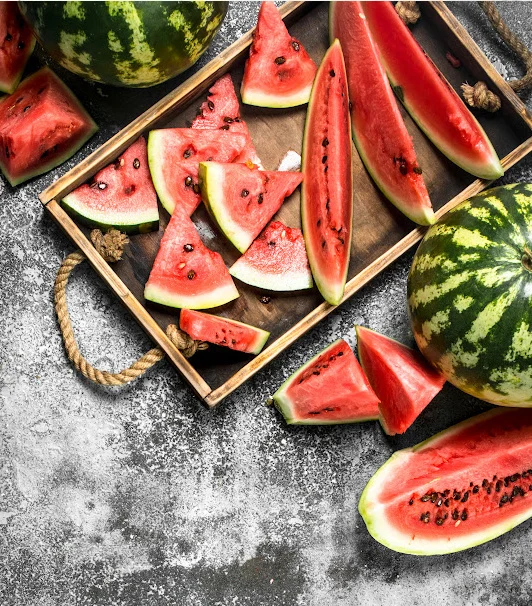
- The Halved Method: Cutting a melon in half and placing it skin-side down prevents the flesh from becoming soiled by the ground.
- The Sliced Method: Slicing allows for more surface area, reducing competition and aggression among birds lower in the pecking order.
- Frozen Treats: Freezing chunks of watermelon provides a long-lasting cooling activity that keeps the birds engaged and hydrated.
Hygiene and Waste Management: Because of the high sugar content in watermelon, any uneaten portions must be removed from the run before nightfall. Leftover fruit can attract rodents, flies, and predators. Furthermore, in humid conditions, watermelon can mold quickly; the ingestion of moldy fruit can lead to mycotoxicosis, a serious condition in poultry.
Broader Implications for Sustainable Agriculture
The use of watermelon in poultry diets also touches upon themes of food waste reduction and sustainable farming. "Ugly fruit"—melons that are misshapen or slightly bruised and therefore unsellable in retail markets—can be diverted to livestock feed. This circular economy model reduces the environmental footprint of fruit production while providing a high-value resource for small-scale farmers.

From a behavioral standpoint, providing watermelon acts as a form of environmental enrichment. Chickens are highly inquisitive and motivated by food; the act of pecking at a large melon provides mental stimulation, which reduces boredom-induced behaviors such as feather pecking or egg eating.
Expert Analysis and Conclusion
Veterinary experts and seasoned poultry authors like Lisa Steele emphasize that while treats should not exceed 10 percent of a chicken’s total caloric intake, watermelon is perhaps the most "forgiving" treat due to its high water-to-calorie ratio. Unlike high-carbohydrate treats like corn or scratch grain, which can actually increase a bird’s internal body temperature during digestion, watermelon aids in thermoregulation.
In conclusion, the integration of watermelon into a poultry management system represents a synergy between nutritional science and practical husbandry. By providing essential vitamins (A, B6, C), critical antioxidants like lycopene, and the potential parasite-repelling properties of cucurbitacin, watermelon serves as a multi-functional supplement. As the backyard chicken movement continues to grow, the use of such natural, hydration-focused foods will remain a vital strategy for maintaining flock longevity, egg quality, and animal welfare during the challenging summer seasons. The evidence suggests that a well-hydrated hen is not only a more productive layer but a more resilient one, capable of thriving in a changing climate through the simple, effective intervention of seasonal fruit supplementation.
