
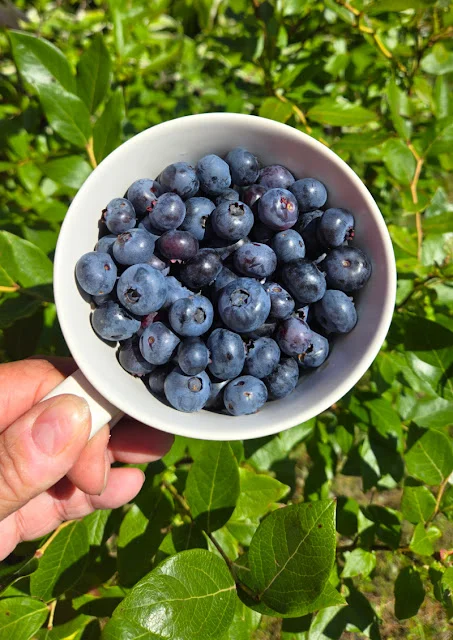
The integration of high-density nutritional supplements into the diets of domestic poultry has become a focal point for backyard farmers and avian nutritionists alike, with blueberries emerging as a premier "superfood" for both chickens and ducks. While traditional poultry management often relied exclusively on commercial grain-based feeds, the contemporary shift toward holistic animal husbandry emphasizes the inclusion of antioxidant-rich fruits and vegetables. Blueberries, characterized by their high concentrations of vitamins, minerals, and bioactive compounds, offer a range of physiological benefits that extend from enhanced cognitive function to improved cardiovascular health. Experts in the field, including fifth-generation chicken-keeping authority Lisa Steele, highlight these berries not merely as a treat, but as a strategic addition to a balanced avian diet.
The Nutritional Architecture of the Blueberry
To understand why blueberries are categorized as a superfood for poultry, one must examine their complex chemical composition. Blueberries are notably rich in Vitamin K and Vitamin C, both of which play critical roles in the biological maintenance of gallinaceous birds. Vitamin K is essential for the synthesis of proteins required for blood coagulation; a deficiency in this vitamin can lead to hemorrhaging and poor wound healing in a flock. Vitamin C, while synthesized naturally by chickens, becomes a vital exogenous supplement during periods of heat stress or illness, as it aids in the regulation of body temperature and supports the adrenal glands.

Beyond vitamins, blueberries provide a significant source of dietary fiber. In the avian digestive tract, fiber promotes motility and supports a diverse microbiome. The presence of manganese and potassium further enhances the fruit’s value. Manganese is a trace mineral necessary for the development of healthy bone structure and the production of high-quality eggshells. Potassium, an essential electrolyte, maintains cellular fluid balance and nerve function, which is particularly important for active foraging birds.
Perhaps the most significant component of the blueberry is its high level of anthocyanins. These are the pigments responsible for the fruit’s deep blue and purple hues. In a biological context, anthocyanins serve as powerful antioxidants that neutralize free radicals, thereby reducing systemic inflammation and protecting cellular integrity. For chickens, this translates to a more robust immune response and a lower susceptibility to the degenerative effects of aging and environmental stressors.
Historical Context and the Evolution of Poultry Treats
The practice of feeding fruit to chickens is not a modern invention, but the scientific understanding of its benefits has evolved significantly. Historically, farm-fledged chickens were allowed to forage freely, naturally consuming fallen fruits, berries, and insects. This diverse diet provided a natural spectrum of nutrients that supplemented the primary grain sources provided by farmers.

In the mid-20th century, the rise of industrial agriculture led to a more standardized, often restricted, diet for poultry, focusing primarily on growth rates and egg production efficiency. However, the recent resurgence in backyard chicken keeping has brought a renewed focus on longevity and animal welfare. Contemporary poultry owners are increasingly looking to ancestral feeding patterns—supplemented by modern nutritional science—to ensure their flocks thrive.
The distinction between native low-bush blueberries and cultivated high-bush varieties is also a factor in modern poultry management. Native varieties, such as those found in the northeastern United States, often possess higher concentrations of antioxidants due to their smaller size and higher skin-to-pulp ratio. Cultivated varieties, while larger and more accessible, still provide substantial nutritional value. Experts note that both types are equally palatable and beneficial to poultry, provided they are served in appropriate quantities.
The 10 Percent Rule and Dietary Balance
Despite the clear benefits of blueberries, avian nutritionists stress the importance of moderation. A fundamental principle in poultry science is the "10 Percent Rule," which dictates that treats and supplemental foods should never exceed 10 percent of a bird’s total daily caloric intake. For an average adult chicken, this equates to approximately one to two tablespoons of supplemental food per day.

The rationale behind this restriction is rooted in the precision of commercial poultry feeds. High-quality layer pellets are formulated to provide a specific ratio of protein, calcium, and essential amino acids. When a bird fills up on treats—even healthy ones like blueberries—it may consume less of its primary feed, leading to nutritional imbalances. Over-supplementation can result in reduced egg production, obesity, or "fatty liver hemorrhagic syndrome," a common ailment in overfed backyard chickens.
Furthermore, while blueberries are generally safe, their physical structure requires consideration. For smaller breeds or younger birds, the round, firm nature of a large blueberry can present a potential choking hazard. Slicing the berries in half is a recommended safety measure to ensure the fruit can be easily processed by the bird’s beak and crop.
Cognitive and Physiological Impacts: A Deep Dive
The benefits of blueberries extend into the realm of avian neurology and long-term health. Research into the cognitive effects of antioxidants suggests that high-bush and low-bush berries can support mental acuity in animals. In a flock setting, cognitive health is vital for social hierarchy management, predator awareness, and foraging efficiency.

On a physiological level, the prebiotics found in blueberries act as a catalyst for gut health. Prebiotics are non-digestible fibers that serve as "food" for beneficial probiotics (bacteria) in the digestive tract. A healthy gut microbiome is the first line of defense for a chicken’s immune system, preventing the overgrowth of harmful pathogens like Salmonella or E. coli.
Additionally, the anti-cancer properties associated with blueberry consumption are of particular interest to long-term hobbyists. Chickens are susceptible to various forms of neoplasia, including ovarian cancer and Marek’s disease-related tumors. While blueberries are not a cure, the phytonutrients within them help protect DNA from oxidative damage, potentially lowering the incidence of certain types of cellular mutations.
Expert Perspectives on Holistic Flock Management
Lisa Steele, a well-respected figure in the backyard poultry community and host of "Welcome to My Farm," emphasizes that the joy chickens derive from these treats is an overlooked aspect of animal welfare. "Blueberries are one of the best treats you can give," Steele notes, highlighting that both chickens and ducks exhibit high levels of engagement and excitement when the fruit is introduced.

From a management perspective, using blueberries can also serve as a tool for flock socialization. Hand-feeding treats is a primary method for taming birds and conducting regular health checks. A bird that is eager for a blueberry is easier to catch and inspect for external parasites, injuries, or signs of illness. This behavioral reinforcement creates a stronger bond between the keeper and the flock, leading to better overall management.
Broader Implications for the Poultry Industry
The growing trend of incorporating superfoods into poultry diets reflects a larger shift in the agricultural sector toward sustainable and organic practices. As consumers demand higher quality eggs—often seeking those with darker yolks and higher nutrient profiles—the diet of the hen becomes a critical variable. Blueberries, by contributing to the overall health of the bird, indirectly support the production of superior eggs.
Moreover, the use of natural supplements reduces the reliance on synthetic vitamins and antibiotics. By bolstering the immune system through nutrition, keepers can foster a more resilient flock that requires fewer medical interventions. This "prevention through nutrition" philosophy is gaining traction among small-scale producers and is beginning to influence larger-scale organic operations.

Chronology of Dietary Integration: From Chick to Adult
The introduction of blueberries into a flock’s diet should follow a specific timeline to ensure digestive safety:
- Weeks 1-4: Chicks should remain strictly on a high-protein starter feed. Their digestive systems are too delicate for high-fiber fruits.
- Weeks 5-8: Small amounts of finely mashed blueberries can be introduced as a rare treat, ensuring the chicks have access to chick grit to help process the new textures.
- Week 18 and Beyond: As birds transition to layer feed, blueberries can become a regular part of their supplemental diet, following the 10 percent rule.
- Seasonal Use: In summer months, frozen blueberries serve a dual purpose as a nutritious snack and a cooling agent to prevent heat exhaustion. In winter, they provide a vital source of vitamins when fresh forage is unavailable.
Conclusion: The Future of Avian Nutrition
The evidence supporting blueberries as a vital component of a supplemental poultry diet is robust. By providing a dense array of antioxidants, vitamins, and prebiotics, these berries address multiple facets of avian health, from the skeletal system to the digestive tract. While they should not replace a balanced commercial feed, their role as a "superfood" is well-earned.
As the backyard poultry movement continues to expand, the focus on nutrient-dense, natural supplements like blueberries will likely remain a cornerstone of responsible bird ownership. For the keeper, the reward is a vibrant, healthy flock; for the birds, the reward is a delicious treat that supports their biological needs at every stage of life. Through informed feeding practices and an understanding of avian physiology, the humble blueberry has secured its place as an essential tool in the modern farmer’s repertoire.
