
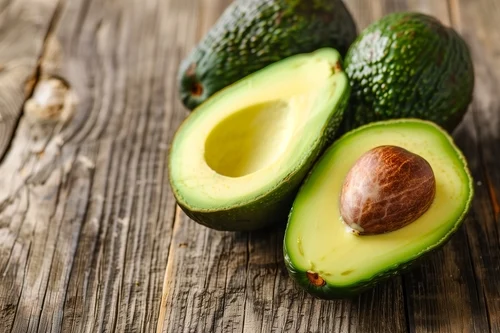
Agricultural experts and veterinary professionals are issuing renewed warnings regarding the ingestion of avocado by avian species and certain mammals, highlighting a biological hazard that many backyard farmers may overlook. While the avocado (Persea americana) is a staple of human nutrition, celebrated for its healthy fats and micronutrients, it contains a specialized toxin known as persin that can prove fatal to a wide range of animals. According to the Merck Veterinary Manual and corroborating data from avian toxicologists, every part of the avocado plant—including the fruit’s flesh, the central pit, the skin, and the leaves—poses a significant risk of poisoning. The concentration of the toxin varies across the plant, with the leaves generally containing the highest levels, but the potential for lethal outcomes exists regardless of the specific part consumed. For birds, including domestic chickens and turkeys, even a small amount of avocado can lead to rapid physiological decline, often resulting in death within 48 hours.
The Chemical Profile and Mechanism of Persin Toxicity
Persin is a fungicidal toxin, a lipid-soluble compound structurally similar to a fatty acid. Evolutionarily, the avocado plant produces this compound as a natural defense mechanism to protect its fruit and foliage against fungal infections. While the human digestive system is capable of processing persin without ill effects, many non-human species lack the metabolic pathways required to neutralize the compound. Once ingested by a susceptible animal, persin targets the cardiovascular and respiratory systems.

The primary pathological effect of persin is the induction of myocardial necrosis, which is the premature death of heart muscle cells. In birds, this manifests as a sudden inability of the heart to pump blood effectively, leading to a cascade of systemic failures. As the heart weakens, fluid begins to accumulate in the lungs and the sac surrounding the heart, a condition known as hydropericardium. This accumulation of fluid severely restricts the animal’s ability to breathe, leading to respiratory distress, cyanosis (a bluish discoloration of the skin due to lack of oxygen), and eventually, a fatal heart attack. In many cases, the onset of symptoms is so rapid that veterinary intervention is impossible once the clinical signs become visible.
Chronology of Symptom Progression and Clinical Signs
The timeline of persin poisoning is notably aggressive, particularly in smaller avian species. Understanding the chronology of the toxin’s effect is vital for owners who suspect their livestock may have gained access to avocado scraps or fallen leaves.
- Immediate Post-Ingestion (0–12 Hours): In the initial hours following ingestion, an animal may appear asymptomatic. However, internally, the persin is being absorbed into the bloodstream and beginning its assault on the myocardial tissues.
- Early Symptomatic Phase (12–24 Hours): Birds may begin to show signs of lethargy and a reluctance to move. Their respiratory rate may increase slightly, and they may exhibit a "panting" behavior or open-mouthed breathing.
- Acute Crisis Phase (24–36 Hours): As pulmonary edema (fluid in the lungs) worsens, the bird will struggle significantly for oxygen. It may become unable to perch and will often sit on the floor of the coop with its feathers ruffled. In mammals like sheep or guinea pigs, this phase may involve swelling of the head and neck.
- Terminal Phase (36–48 Hours): The final stage is characterized by total cardiovascular collapse. The animal often experiences a sudden, massive heart attack. Statistical data suggests that for a small bird, consuming as little as 5% of a single avocado can trigger this terminal phase within two days.
Comprehensive Risk Assessment Across Species
While the danger to chickens and turkeys is well-documented, the spectrum of susceptibility to persin poisoning extends across various branches of the animal kingdom. Research conducted by veterinary schools has identified several categories of animals at high risk:

- Avian Species: In addition to poultry, psittacines (parrots), canaries, and ostriches are extremely sensitive. Because of their high metabolic rates, the toxin spreads through their systems with devastating speed.
- Small Mammals: Guinea pigs, mice, rats, and rabbits are frequently cited in toxicology reports. For these animals, the toxin not only affects the heart but can also cause severe inflammation of the mammary glands in lactating females.
- Livestock: Sheep and goats are particularly vulnerable among larger ruminants. In these animals, ingestion of avocado leaves can lead to non-infectious mastitis and cardiac failure. While cattle and horses are also susceptible, the lethal dose is typically higher relative to their body mass; however, ingestion still leads to significant health complications and potential death.
- Aquatic Life: Some studies indicate that certain species of fish are sensitive to persin if avocado waste is introduced into closed aquatic environments, leading to respiratory failure through the gills.
Veterinary Perspectives and Official Responses
Veterinary toxicologists emphasize that there is currently no specific antidote for persin poisoning. Treatment is largely supportive, focusing on oxygen therapy and diuretics to reduce fluid accumulation, but the success rate for birds is distressingly low. Dr. Lisa Steele, a prominent expert in backyard poultry and author of several guides on natural flock management, has long advocated for a strict "zero-tolerance" policy regarding avocados in the coop.
"The risk far outweighs any perceived nutritional benefit," experts suggest. The consensus among the veterinary community, including the guidelines provided by the Merck Veterinary Manual, is that prevention is the only reliable cure. Official recommendations suggest that households with backyard flocks should be extremely cautious with kitchen scraps. Because chickens are opportunistic omnivores, they will often consume items that are toxic to them if presented as a treat. The high fat content of the avocado makes it palatable to birds, which increases the likelihood of them consuming a lethal dose if given the opportunity.
Analysis of Implications for Backyard Farming
The rise of the "farm-to-table" movement and the increasing popularity of urban and suburban chicken keeping have led to a higher incidence of accidental poisonings. Many new hobbyists assume that because a food is "natural" or "organic," it is safe for all living creatures. This misconception is a primary driver of dietary-related mortality in backyard flocks.

The implications of this extend to waste management and composting. Gardeners who compost kitchen waste must ensure that avocado pits and skins are not accessible to free-ranging chickens. Furthermore, in regions where avocado trees are grown domestically—such as California, Florida, and parts of the Mediterranean—the risk is exacerbated by fallen leaves and wind-dropped fruit. Owners in these areas are advised to fence off avocado trees to prevent livestock from foraging beneath the canopy.
Comparative Dietary Safety and Preventive Measures
To maintain a healthy flock, it is essential to distinguish between safe supplemental treats and toxic hazards. While avocados are strictly prohibited, other common kitchen items also require caution. For example, dried beans contain phytohaemagglutinin, and green potato skins contain solanine, both of which are toxic to poultry.
To mitigate the risk of accidental avocado ingestion, experts recommend the following protocol:

- Segregated Composting: Use enclosed compost bins that prevent chickens from scavenging through kitchen scraps.
- Educational Outreach: Ensure all family members and neighbors are aware that avocados are toxic to the birds.
- Foraging Site Inspection: Regularly check the range area for any debris or plant matter that may have been introduced from outside the immediate environment.
- Nutritional Substitution: Provide safe alternatives such as watermelon, cucumbers, or leafy greens (excluding rhubarb) to satisfy the birds’ need for variety without risking persin exposure.
Final Summary of Broader Impacts
The toxicity of the avocado plant serves as a critical reminder of the complex biochemical differences between humans and the animals we keep. As agricultural practices continue to shift toward small-scale, decentralized food production, the responsibility of the owner to understand avian physiology becomes paramount. The loss of a flock to preventable poisoning not only represents an emotional blow to the keeper but also an economic loss and a failure of animal welfare standards.
In conclusion, the scientific evidence regarding persin is definitive: the avocado is a lethal hazard to chickens and a wide variety of other animals. The concentration of the toxin in the leaves, combined with the extreme sensitivity of avian cardiac tissue, creates a high-stakes environment where a single mistake in feeding can lead to total flock mortality. By adhering to professional veterinary guidelines and maintaining a rigorous standard for dietary safety, backyard farmers can protect their livestock from this hidden botanical threat. The message from the agricultural community remains clear: keep avocados off the menu for all poultry and susceptible mammals to ensure the continued health and productivity of the farm.
