
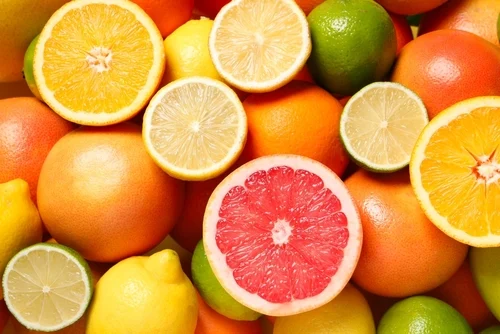
The practice of feeding kitchen scraps to backyard poultry has become a cornerstone of sustainable homesteading, yet the inclusion of citrus fruits—such as oranges, lemons, and grapefruits—remains a subject of significant debate among avian nutritionists and hobbyist farmers. While chickens are opportunistic omnivores capable of processing a wide variety of organic matter, recent veterinary insights and nutritional studies suggest that citrus consumption should be strictly limited, if not entirely avoided, to maintain optimal flock health and egg production. The primary concern lies not in acute toxicity, but in the subtle physiological interference that citrus components can have on a hen’s metabolic processes, particularly regarding calcium absorption and skeletal integrity.
The Biological Mechanism of Calcium Absorption in Poultry
For a laying hen, calcium is the most critical mineral in her daily diet. A standard eggshell is composed of approximately 94 to 97 percent calcium carbonate. To produce a single egg, a hen must mobilize roughly 2 to 2.5 grams of calcium, a significant portion of which is drawn directly from her bloodstream and medullary bone reserves. This biological demand necessitates a highly efficient absorption system within the digestive tract.
Research into avian physiology indicates that the introduction of high levels of citric acid and Vitamin C from external sources can disrupt this delicate balance. While the exact chemical pathway is often debated, the prevailing scientific consensus suggests that excessive citrus intake can interfere with the bird’s ability to absorb calcium through the intestinal wall. When calcium absorption is inhibited, the hen’s body prioritizes the creation of the eggshell by leaching minerals from her own skeletal structure. Over time, this leads to a condition known as cage layer fatigue or avian osteoporosis, where the bones become brittle, porous, and prone to fractures.
Furthermore, the interference with calcium uptake manifests quickly in the quality of the eggs produced. Flocks consuming high amounts of citrus rinds or juice often exhibit a higher frequency of thin-shelled or "rubber" eggs—eggs encased only in a membrane without a hard calcified shell. This not only renders the eggs unmarketable and difficult to handle but also increases the risk of egg-eating behaviors within the coop, as hens may instinctively break and consume the fragile eggs to reclaim lost nutrients.

The Role of Vitamin C: Endogenous Synthesis versus Dietary Intake
One of the most common misconceptions among novice poultry keepers is the belief that chickens require supplemental Vitamin C, similar to the dietary needs of humans or guinea pigs. In human nutrition, citrus is prized for its high ascorbic acid content, which the human body cannot produce on its own. However, chickens possess the biological capability to synthesize their own Vitamin C within their kidneys.
Under normal environmental conditions, a healthy chicken produces all the Vitamin C required for its metabolic functions, immune response, and tissue repair. Consequently, the nutritional "boost" provided by oranges or lemons is largely redundant. In fact, some studies suggest that an overabundance of dietary Vitamin C can lead to an unnecessary acidification of the digestive tract, which may further complicate the absorption of other essential minerals beyond just calcium.
While there are rare instances where supplemental Vitamin C might be recommended—such as during periods of extreme heat stress or recovery from severe respiratory illness—these are typically managed through controlled water additives rather than the feeding of whole citrus fruits. For the average backyard flock, the risks of metabolic interference far outweigh the negligible benefits of supplemental ascorbic acid.
Potential Risks of High Citrus Consumption and Limonene Exposure
Beyond the calcium-related issues, the physical properties of citrus fruits present their own set of challenges. Citrus peels contain essential oils, including d-limonene, which serves as a natural insecticide and solvent. While these oils are generally safe for humans in small quantities, the concentrated presence in citrus rinds can be unpalatable or irritating to the mucosal lining of a chicken’s beak and crop.
Observations from poultry behaviorists indicate that chickens often display a natural aversion to citrus. When presented with a variety of kitchen scraps, most birds will actively avoid orange peels or lemon wedges. This "nutritional wisdom" is a common trait in domestic fowl, which evolved to scavenge for seeds, insects, and leafy greens. Forcing citrus into a bird’s diet by mixing it into mashes or fermented feeds can override this natural instinct, leading to the aforementioned health complications.

Additionally, the high sugar content in certain citrus varieties, particularly sweet oranges and tangerines, can contribute to an imbalance in the gut microbiome. Chickens require a stable population of beneficial bacteria in their ceca to properly ferment fiber. Rapid spikes in simple sugars can lead to the overgrowth of pathogenic bacteria or yeast, potentially resulting in digestive upset or "sour crop."
Identifying Calcium Deficiency and Skeletal Fragility
The long-term implications of a citrus-heavy diet are often cumulative. Poultry keepers must be vigilant for the clinical signs of calcium depletion, which may not appear until the hen’s internal reserves are severely compromised.
- Egg Shell Quality: The first indicator is usually a decline in shell thickness. If eggs crack easily under slight pressure or appear translucent, the hen is struggling to meet her calcium requirements.
- Postural Changes: Hens suffering from calcium leaching may exhibit a "penguin-like" stance or difficulty walking. This is often a sign of hairline fractures in the pelvic region or legs.
- Reduced Production: A sudden drop in the frequency of laying can be the body’s way of conserving minerals.
- Beak and Claw Texture: In chronic cases, the beak may feel soft or flexible, and claws may become unusually brittle.
To counter these effects, many commercial producers and experienced hobbyists utilize a "chronology of supplementation." This involves providing free-choice crushed oyster shells or limestone grit. By allowing the hen to regulate her own calcium intake, the impact of occasional citrus consumption can be mitigated, though the primary recommendation remains to divert citrus waste elsewhere.
The Rise of Backyard Poultry and Dietary Misconceptions
The surge in backyard chicken ownership over the last decade has led to a democratization of poultry knowledge, but it has also facilitated the spread of dietary myths. As more households transition toward "zero-waste" lifestyles, the pressure to feed every scrap of kitchen waste to livestock has increased.
In a historical context, farm-raised chickens were often given the run of the farm, where they could supplement their diet with a diverse array of forage. In modern, confined backyard settings, the birds are entirely dependent on what the owner provides. This shift places a greater burden of responsibility on the keeper to ensure the diet is scientifically sound. Statistical data from agricultural extension offices suggests that nutritional deficiencies are among the leading causes of non-infectious mortality in small-scale flocks.

Veterinary professionals have noted that while the occasional orange segment will not cause immediate death, the "dose makes the poison." The cumulative effect of feeding citrus rinds daily can significantly shorten the productive lifespan of a laying hen.
Sustainable Waste Management: Composting versus Feeding
From an environmental standpoint, the desire to recycle citrus waste is commendable. However, the poultry coop is not the most efficient venue for this process. Agricultural experts recommend composting as the superior alternative for citrus disposal.
While citrus peels take longer to break down than leafy greens due to their thick skins and antimicrobial oils, they are a valuable addition to a compost pile when balanced with carbon-rich materials like straw or dried leaves. Composting citrus avoids the risk of avian metabolic interference while still returning the nutrients to the soil. Once the citrus has decomposed, the resulting compost can be used to grow vegetables that are safe and beneficial for chickens, such as kale, Swiss chard, or pumpkins.
Expert Recommendations for Avian Health Maintenance
To ensure a healthy and productive flock, poultry owners should adhere to a hierarchy of nutritional priorities. The foundation of the diet should always be a high-quality, age-appropriate commercial feed formulated to meet the specific amino acid and mineral requirements of the birds.
For treats and supplemental feeding, the following guidelines are recommended by avian nutritionists:

- Prioritize Greens: Spinach, clover, and dandelion greens provide essential vitamins without the acidic interference of citrus.
- Protein-Rich Scraps: Small amounts of cooked lentils, mealworms, or sunflower seeds support feather growth and egg production.
- Avoid Toxic Substances: In addition to limiting citrus, keepers must strictly avoid chocolate, caffeine, avocado skins/pits, and dry beans, all of which contain compounds that are acutely toxic to birds.
- Observation and Adjustment: Monitoring the flock’s reaction to new foods is essential. If a particular scrap is consistently ignored, it should be removed from the run to prevent spoilage and the attraction of pests.
In conclusion, while the image of a chicken pecking at a colorful fruit salad is aesthetically pleasing, the physiological reality of citrus consumption is fraught with risk. The potential for calcium malabsorption, skeletal degradation, and shell quality issues makes citrus an unsuitable regular component of a chicken’s diet. By understanding the unique ways in which avian biology differs from human biology, poultry keepers can make informed decisions that promote the longevity and productivity of their flocks. The safest path remains clear: enjoy the citrus yourself, and leave the rinds for the compost pile.
