
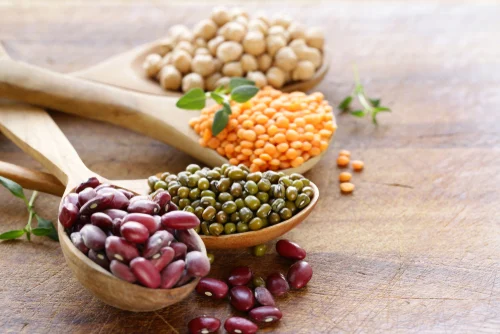
The practice of supplementing poultry diets with kitchen scraps and garden leftovers has long been a staple of sustainable backyard farming. However, agricultural experts and avian veterinarians are issuing urgent warnings regarding a common pantry staple that can prove fatal to chickens in remarkably small quantities: raw, dried beans. The primary culprit is a potent toxin known as phytohaemagglutinin (PHA), a type of lectin that serves as a natural insecticide for the plant but acts as a dangerous poison when ingested by birds and mammals alike. While many homesteaders view beans as a high-protein treat, the chemical reality of uncooked legumes presents a significant biohazard that requires strict adherence to safety protocols to prevent flock mortality.
The Biochemistry of Phytohaemagglutinin
To understand why a few raw beans can be lethal, one must examine the molecular structure of phytohaemagglutinin. PHA is a carbohydrate-binding protein, or lectin, found in high concentrations in the seeds of many legumes. From an evolutionary perspective, the toxin developed as a defense mechanism to protect the plant’s reproductive material from being consumed by insects and herbivores. In the wild, the bitter taste and subsequent illness associated with raw bean consumption discourage foragers from eating the seeds, ensuring the plant’s survival.
When a chicken ingests raw dried beans, the PHA molecules remain stable through the initial stages of digestion. Upon reaching the digestive tract, these lectins bind to the glycosyl receptors on the surface of the intestinal epithelial cells. This binding process disrupts the cellular integrity of the gut lining, leading to a cascade of physiological failures. Furthermore, PHA is known for its ability to cause hemagglutination—the clumping of red blood cells. This interference with blood chemistry and intestinal absorption causes rapid-onset metabolic distress.

Symptoms and Lethality in Avian Populations
The susceptibility of chickens to PHA is significantly higher than that of humans or larger livestock, primarily due to their smaller body mass and rapid metabolic rate. Clinical data suggests that consuming as few as three to four raw kidney beans can result in the death of an adult chicken within a matter of hours. The toxicity is not limited to kidney beans; it is present in varying concentrations in black beans, pinto beans, navy beans, and several other varieties of the Phaseolus vulgaris species.
The progression of PHA poisoning in poultry is swift and often distressing. Initial symptoms typically manifest as acute gastrointestinal distress, characterized by extreme nausea and a visible lack of coordination. Unlike mammals, chickens cannot vomit in the traditional sense, but they may exhibit fluid discharge from the beak as the body attempts to purge the toxin. This is followed by severe diarrhea, which leads to rapid dehydration and electrolyte imbalance. As the toxin enters the bloodstream and begins to affect red blood cell stability, the bird may enter a state of lethargy, eventually collapsing. In many cases, by the time a poultry keeper notices the symptoms, the internal damage is too advanced for veterinary intervention.
The Danger Hierarchy of Legumes
While many legumes contain lectins, the concentration of phytohaemagglutinin varies significantly between species. Agricultural scientists categorize beans based on their toxicity levels to help farmers manage risk:
- High Toxicity: Red kidney beans are the most dangerous. They contain the highest concentrations of PHA, measured in Hemagglutinating Units (hau). Raw kidney beans can contain between 20,000 and 70,000 hau.
- Medium Toxicity: White kidney beans (cannellini) contain about one-third the toxin levels of the red variety but are still potent enough to cause severe illness or death if consumed raw.
- Low Toxicity: Broad beans (fava beans) and other varieties contain lower levels, but they still pose a risk to small birds if not processed correctly.
It is important to note that "raw" does not only refer to beans straight from the packet. Under-cooked beans can actually be more toxic than raw ones. Research has shown that heating beans to only 80°C (176°F)—a temperature often reached in slow cookers or crockpots—can increase the toxicity of PHA five-fold. This makes the preparation process a critical point of failure for well-meaning poultry owners.

Safe Preparation Protocols and Mitigation
For poultry keepers who wish to utilize dried beans as a protein source, the only way to render them safe is through a rigorous multi-step heat treatment process. Simply soaking the beans is insufficient; in fact, the water used for soaking becomes a carrier for the leached toxins and must be discarded.
The standard safety protocol recommended by food safety authorities involves three mandatory steps:
- Extended Soaking: Beans must be soaked in water for at least 12 hours. This begins the process of breaking down the lectin structures and softening the seed coat.
- Rinsing and Water Disposal: The soaking water must be drained completely and the beans rinsed under fresh, running water. The discarded water contains dissolved PHA and should never be given to animals or used in cooking.
- Boiling at High Temperatures: The beans must be placed in fresh water and brought to a full, rolling boil (100°C/212°F) for a minimum of 10 to 15 minutes. This high heat is the only mechanism capable of completely denaturing the PHA protein, rendering it harmless.
Once the beans have been boiled and then simmered until soft, they become a safe and nutritious supplement for chickens, providing essential amino acids and fiber. However, experts suggest that even after cooking, beans should be cooled thoroughly before being offered to the flock to prevent crop burns.
Alternatives and Commercial Feed Standards
In the commercial poultry industry, legume-based proteins are common, but they undergo industrial-scale "toasting" or steam-pressure cooking to ensure all anti-nutritional factors, including lectins and trypsin inhibitors, are neutralized. For the backyard enthusiast, using fresh alternatives can eliminate the risk of accidental poisoning.

Fresh green beans, wax beans, and peas are considered safe for chickens to eat raw. In these immature stages, the seeds have not yet developed the high concentrations of dried lectins found in mature, desiccated beans. Lima beans are also generally safe when fresh, though they contain different compounds (cyanogenic glycosides) that are also neutralized by cooking.
Canned beans represent another safe alternative, as the commercial canning process involves high-pressure steam that destroys PHA. However, owners are cautioned to rinse canned beans thoroughly to remove excess sodium. High salt intake is a leading cause of kidney failure in poultry, and the brine used in canning often exceeds the daily nutritional requirements of a chicken.
Broader Implications for Small-Scale Agriculture
The risk of bean toxicity highlights a broader issue in the "farm-to-table" and "zero-waste" movements. As more households turn to backyard chickens to reduce food waste, the risk of accidental poisoning through kitchen scraps increases. This has led to a call for better education regarding avian nutrition.
"Many people assume that if a food is healthy for humans, it is safe for their pets or livestock," says a representative from a leading avian health organization. "The reality is that avian physiology is unique. What we consider a ‘superfood’ can be a ‘super-toxin’ to a five-pound hen. We must treat the feeding of scraps with the same level of scrutiny as we do commercial feed."

The economic impact of losing a flock to preventable poisoning can be devastating for small-scale egg producers. Beyond the financial loss of the birds themselves, the interruption in egg production and the emotional toll on the keeper underscore the need for strict adherence to feeding guidelines.
Chronology of Food Safety Awareness
The understanding of PHA toxicity has evolved over several decades. In the 1970s and 1980s, several high-profile cases of "Red Kidney Bean Poisoning" in humans led the FDA to include PHA in its "Bad Bug Book," a handbook of foodborne pathogenic microorganisms and natural toxins. This research eventually trickled down to the veterinary community, which began identifying similar patterns of "sudden death syndrome" in backyard flocks where raw beans were present in the environment.
By the early 2000s, with the resurgence of urban farming, the warning against raw dried beans became a cornerstone of poultry management education. Today, it is recognized alongside chocolate, onions, and avocado pits as one of the primary "forbidden foods" for chickens.
Conclusion
The threat posed by raw, dried beans to chickens is a scientific certainty that requires constant vigilance from poultry keepers. Phytohaemagglutinin is a potent biological weapon developed by nature, and its effects on the avian digestive and circulatory systems are catastrophic. While beans can serve as an excellent source of supplemental nutrition, they are only safe when processed with the respect that a natural toxin demands. By ensuring that all dried legumes are soaked, rinsed, and boiled at high temperatures—or by sticking to fresh and canned alternatives—poultry owners can protect their flocks from a silent and swift killer in the garden and the pantry. In the world of backyard farming, knowledge of such chemical nuances is the difference between a thriving flock and a tragic loss.
