
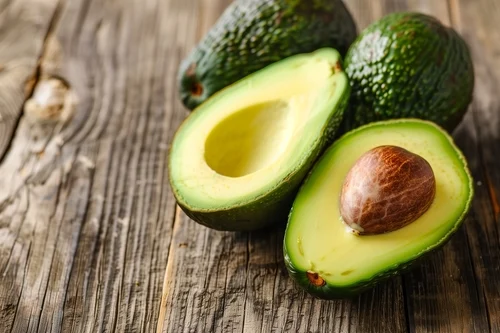
Agricultural experts and veterinary toxicologists are issuing renewed warnings regarding the ingestion of avocado by domestic birds and various mammalian species, highlighting a lethal risk that many backyard farmers may overlook. While the avocado (Persea americana) is celebrated as a nutrient-dense superfood for human consumption, it contains a specialized fungicidal toxin known as persin which can cause rapid heart failure and death in avian species, including chickens and turkeys, as well as several types of livestock. According to the Merck Veterinary Manual, every component of the avocado plant—including the fruit’s flesh, the protective skin, the large central pit, and the leaves—poses a significant threat to animal health. The concentration of persin is particularly high in the leaves of the plant, making even incidental foraging in orchards a high-risk activity for roaming flocks.

The physiological impact of persin on susceptible animals is both swift and devastating. Once ingested, the toxin primarily targets the myocardial tissue, leading to necrosis or the death of heart muscle cells. In birds, the clinical signs of avocado toxicosis often manifest within a few hours of consumption. The primary symptom is a profound respiratory distress caused by the accumulation of fluid around the heart and in the lungs, a condition known as pulmonary edema. This fluid buildup prevents the lungs from expanding properly, leading to a state of hypoxia where the bird’s organs are starved of oxygen. Veterinary data indicates that as little as 5 percent of a single avocado can be fatal to small birds within a 48-hour window. For a standard backyard chicken, even a few nibbles of discarded avocado skin or a small portion of the flesh can trigger a fatal cardiac event.
The chemical profile of persin is a fatty acid derivative that the avocado plant produces as a natural defense mechanism against fungal infections. While the human digestive system is capable of metabolizing this compound without ill effects, the metabolic pathways of many animals are ill-equipped to neutralize it. The toxicity levels can vary depending on the variety of the avocado; research suggests that the Guatemalan varieties (Persea americana var. guatemalensis) generally contain higher concentrations of persin than the Mexican varieties, though toxicologists advise that all varieties should be treated as equally dangerous to prevent accidental exposure.

The history of veterinary awareness regarding avocado toxicity has evolved over several decades. Early observations of the phenomenon were documented in the mid-20th century when livestock in regions with heavy avocado cultivation showed mysterious signs of heart failure. By the 1980s and 1990s, more formal studies were conducted as the popularity of exotic birds and backyard poultry grew. One notable series of case studies involved ostriches and emus in South Africa and the United States, where birds that gained access to fallen avocados in orchards died suddenly. Autopsies revealed consistent patterns of myocardial degeneration, cementing the avocado’s status as a top-tier hazard in avian toxicology.
While chickens are the most common victims of accidental avocado poisoning due to their role as "recyclers" of kitchen scraps, they are far from the only species at risk. The Merck Veterinary Manual and the ASPCA Animal Poison Control Center have identified a broad range of susceptible animals. In addition to chickens and turkeys, the list includes ostriches, canaries, and parrots. Among mammals, horses, cattle, goats, and sheep are particularly vulnerable. In these larger animals, the toxin often manifests differently; while it can cause heart failure, it frequently targets the mammary glands in lactating females, leading to non-infectious mastitis and a total cessation of milk production. Small mammals such as rabbits, guinea pigs, mice, and rats have also shown high sensitivity to persin, often resulting in death shortly after ingestion.

The rise of the "zero-waste" movement and the popularity of backyard homesteading have inadvertently increased the risk of avocado toxicosis. Many new poultry owners view their chickens as a convenient way to dispose of kitchen waste, operating under the assumption that "natural" foods are inherently safe. However, the unique biology of the avian digestive system makes them highly susceptible to certain plant-based compounds that humans tolerate well. In response to this trend, avian specialists are emphasizing the importance of education regarding "toxic treats." Beyond avocados, other common kitchen items such as dried beans, chocolate, and onions are also flagged as dangerous, but the avocado remains uniquely lethal due to the potency of persin and the small quantity required to cause a fatality.
Official responses from veterinary organizations stress that there is no known antidote for persin poisoning. Treatment is generally limited to supportive care, such as the administration of activated charcoal to prevent further absorption of the toxin and the use of diuretics to reduce fluid accumulation in the chest. However, because the onset of symptoms is so rapid and the damage to the heart muscle is often irreversible, the prognosis for an animal showing clinical signs of avocado poisoning is usually poor. Prevention, therefore, remains the only effective strategy for flock management.

From an analytical perspective, the implications of avocado toxicity extend to the broader agricultural industry. For commercial poultry operations, the risk is minimal due to strictly controlled diets. However, for the burgeoning industry of small-scale, organic, and pasture-raised egg production, the risk is a tangible threat to biosecurity and economic stability. A single incident of an owner tossing a bowl of leftover guacamole or avocado skins into a coop can result in the loss of an entire flock overnight. This has led some agricultural extension offices to recommend that poultry owners avoid planting avocado trees within reach of chicken runs and that they implement a strict "no-avocado" policy for any kitchen scraps destined for the coop.
Furthermore, the environmental context of the avocado plant’s toxicity is a subject of ongoing study. Some researchers believe that the concentration of persin in the plant may fluctuate based on seasonal changes, soil quality, and the age of the tree. This variability makes it impossible to predict whether a specific avocado might be "less toxic" than another, reinforcing the veterinary mandate for total avoidance. The leaves, which contain the highest concentration of the toxin, remain dangerous even after they have fallen and dried, meaning that a seemingly "clean" orchard floor can still harbor lethal hazards for foraging livestock.

The broader impact of these findings has prompted a shift in how supplemental feeding is discussed in the poultry community. Rather than encouraging the feeding of all kitchen scraps, experts are now providing "safe lists" of treats that provide nutritional benefits without the risk of poisoning. Safe alternatives for chickens include leafy greens like kale and spinach, most berries, non-citrus fruits like apples (without seeds), and vegetables like cucumbers and squash. By pivoting away from high-risk items like avocados, owners can ensure the longevity and health of their animals while still benefiting from the birds’ ability to process some household food waste.
In conclusion, the threat posed by avocados to chickens and other livestock is a critical concern for animal welfare and backyard farm management. The chemical compound persin acts as a potent cardiotoxin in these species, leading to rapid respiratory failure and death. With no effective cure available, the responsibility falls entirely on the owner to curate a safe environment and diet. As the trend toward sustainable, home-based agriculture continues to grow, the dissemination of factual, science-based information regarding plant toxicities is essential to prevent avoidable losses in the domestic animal population. The message from the scientific and veterinary community is definitive: while the avocado may be a staple of the human diet, it has no place in the poultry coop or the livestock pasture. Ensuring that every part of the Persea americana plant remains out of reach is a fundamental requirement for any responsible animal keeper.
