
The biological cycle of avian egg production presents a perennial challenge for small-scale poultry farmers and backyard enthusiasts, characterized by a distinct "feast or famine" rhythm dictated by solar cycles and seasonal shifts. During the peak of the summer months, when daylight hours are at their maximum, domestic hens often produce a surplus of eggs that exceeds immediate household consumption. Conversely, as winter approaches and daylight diminishes, egg production naturally slows or ceases entirely, often leaving producers without a supply during the high-demand holiday baking season. Lisa Steele, a fifth-generation chicken-keeping expert and founder of the Fresh Eggs Daily brand, highlights a strategic preservation method to bridge this seasonal gap: the systematic freezing of surplus eggs. This practice not only ensures a steady supply of high-quality protein throughout the colder months but also represents a significant step toward domestic food security and waste reduction.
The Biological and Environmental Drivers of Seasonal Egg Production
To understand the necessity of egg preservation, one must examine the physiological mechanisms of the Gallus gallus domesticus. A hen’s reproductive system is primarily stimulated by light. For optimal egg production, a chicken typically requires 14 to 16 hours of daylight. As the autumn equinox passes and the duration of natural light falls below this threshold, the hen’s pituitary gland decreases the production of the hormones necessary for ovulation.
Furthermore, the winter months often coincide with the annual molting period. During this time, chickens shed their old feathers and grow new plumage to provide better insulation against the cold. This process is incredibly energy-intensive, requiring the bird to redirect its protein intake and metabolic resources away from egg production and toward feather regeneration. For the backyard keeper, this creates a predictable but frustrating shortage. While commercial operations often use artificial lighting to maintain year-round production, many small-scale and natural-focused keepers, such as Steele, prefer to allow their flocks to follow natural cycles, making preservation techniques like freezing essential for maintaining a consistent kitchen supply.
Technical Methodology: The Science of Freezing Eggs
The preservation of eggs through freezing is a delicate process that requires adherence to specific protocols to maintain food safety and culinary integrity. It is a fundamental rule of food science that eggs cannot be frozen in their shells. The high water content within the egg white and yolk causes the liquid to expand upon freezing, which inevitably leads to the cracking of the calcium carbonate shell. Once the shell is compromised, the egg is susceptible to bacterial contamination and freezer burn, rendering it unsafe and unpalatable.
Preparation and Whisking
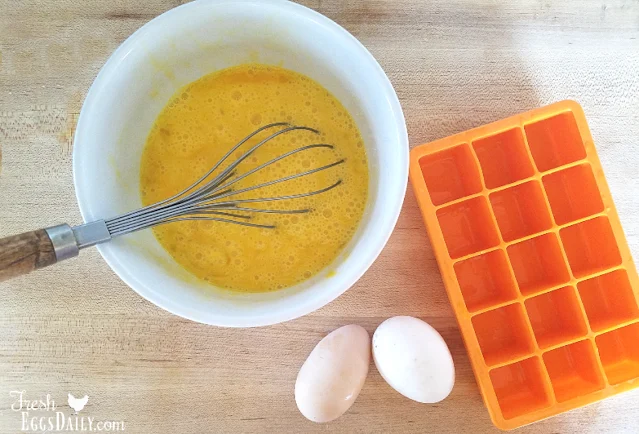
The primary step in the freezing process involves breaking the eggs into a clean bowl and lightly whisking them. The goal of whisking is to combine the yolk and white into a homogenous mixture without incorporating excessive air. Excessive aeration can lead to a rubbery texture once the eggs are thawed and cooked. For those who require separated components for specific culinary applications, yolks and whites can also be frozen individually, though yolks require additional stabilization.
Chemical Stabilization of Yolks
A significant hurdle in freezing eggs is the tendency of the yolk to become gelatinous or "grainy" when exposed to sub-zero temperatures. This is due to a phenomenon known as gelation, where the lipoproteins in the yolk form a thick, irreversible gel. To counteract this, Steele and other food preservation experts recommend the addition of a stabilizer.

Adding a small amount of salt (approximately 1/8 teaspoon per half-cup of eggs) or a small amount of sugar or honey (if the eggs are intended for baking) interferes with the protein bonding process. This ensures that the eggs return to a liquid state upon defrosting, maintaining a texture suitable for scrambled eggs, omelets, or as a binding agent in complex recipes.
Chronology of the Preservation Cycle
The timeline for egg preservation typically follows the agricultural calendar:
- Peak Production (May – August): This is the "feast" period. Keepers collect eggs daily, often finding themselves with several dozen more than can be consumed weekly. This is the optimal window for freezing, as the eggs are at their freshest.
- The Preservation Phase (September – October): As the first signs of molting appear and daylight wanes, keepers transition from immediate consumption to long-term storage. Surplus eggs are processed in batches and dated.
- The Shortage Period (November – February): As production hits its nadir, the preserved stock is rotated into the kitchen. Defrosted eggs are used for holiday pies, cakes, and daily breakfasts.
- The Resumption (March – April): As the spring equinox approaches, hens resume their laying cycle, and the need for frozen reserves diminishes until the following summer.
Supporting Data: Economic and Food Safety Context
The trend toward home preservation is supported by broader economic data. According to the Bureau of Labor Statistics (BLS), egg prices have experienced significant volatility over the last 24 months, driven by outbreaks of Highly Pathogenic Avian Influenza (HPAI) and rising feed costs. In early 2023, the average price for a dozen eggs in the United States peaked at historic highs, leading many consumers to seek self-sufficiency through backyard poultry.
By freezing eggs during periods of abundance, households can effectively "lock in" the value of their poultry feed investment. Furthermore, the United States Department of Agriculture (USDA) provides clear safety guidelines for this practice. The USDA notes that while whole eggs should not be frozen in shells, whisked eggs can be stored safely in a freezer at 0°F (-18°C) for up to one year. This longevity makes freezing a superior method to refrigeration, which typically only preserves egg quality for three to five weeks.
Professional Responses and Expert Insights
Lisa Steele’s approach is rooted in "old-timers’ methods," a philosophy that emphasizes natural, time-tested techniques over industrial shortcuts. Steele, who hosts "Welcome to my Farm" on CreateTV and has authored six books on poultry, argues that understanding these preservation techniques is vital for the modern homesteader.
Inferred statements from the broader agricultural community suggest that the "backyard chicken movement" is no longer a niche hobby but a component of the modern "resilience economy." Experts in food science emphasize that freezing is one of the most effective ways to retain the nutritional profile of the egg. Unlike pickling or water-glassing (an older method of storing eggs in a lime solution), freezing does not significantly alter the flavor profile of the egg, making it more versatile for high-end culinary use.
Broader Impact and Implications for Sustainability
The practice of freezing surplus eggs has implications that extend beyond the individual kitchen. It touches upon several key pillars of modern sustainability:

Reduction of Food Waste
Food waste is a global crisis, with approximately one-third of all food produced for human consumption being lost or wasted. In a backyard setting, surplus eggs that are not consumed or sold often end up discarded. Freezing provides a simple, low-energy solution to ensure that every calorie produced by the flock is utilized.
Food Security and Supply Chain Resilience
The COVID-19 pandemic and subsequent logistical disruptions highlighted the fragility of global food supply chains. Households that maintain their own poultry and possess the knowledge to preserve the output are better positioned to weather market fluctuations and grocery store shortages.
Promotion of Natural Farming Practices
By mastering preservation, keepers are less likely to use artificial lighting in coops. Artificial lighting can stress a hen’s body by denying it the natural rest period it needs during the winter. Thus, preservation techniques like freezing indirectly support better animal welfare by allowing birds to follow their natural biological rhythms without causing a total loss of egg availability for the human keeper.
Conclusion and Implementation for the Consumer
For the consumer or small-scale producer looking to implement these strategies, the process is straightforward but requires discipline. Using ice cube trays to freeze eggs in individual portions (approximately 3 tablespoons of the whisked mixture equals one large egg) allows for precise measurement during later use. Once frozen, the "egg cubes" can be transferred to vacuum-sealed bags to prevent oxidation.
As the agricultural landscape continues to shift toward localized production, the insights provided by experts like Lisa Steele serve as a bridge between traditional wisdom and modern necessity. Freezing eggs is more than a kitchen hack; it is a sophisticated management tool that allows the modern keeper to harmonize with the natural cycles of the seasons while maintaining a consistent and sustainable food supply. In an era of economic uncertainty and a growing desire for transparency in the food chain, such methods of preservation are becoming indispensable components of the domestic economy.
