
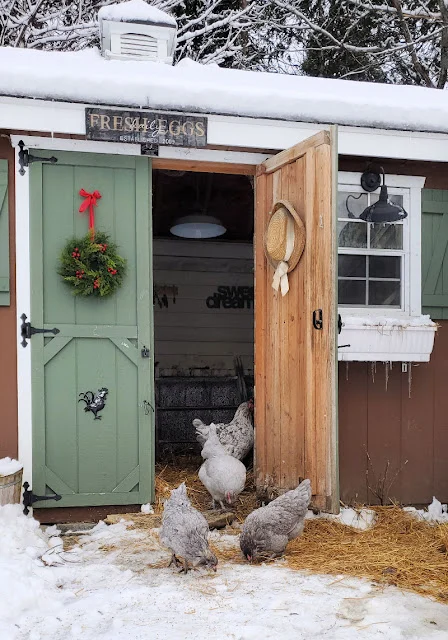
As the northern hemisphere transitions into the colder months, poultry keepers and small-scale farmers face the annual challenge of safeguarding their flocks against sub-zero temperatures and seasonal environmental stressors. While the common domestic chicken (Gallus gallus domesticus) is remarkably resilient to cold weather—often far more so than to extreme heat—the combination of moisture, wind, and caloric deficit can lead to significant health complications, including respiratory infections, frostbite, and a total cessation of egg production. Agricultural experts and seasoned poultry specialists emphasize that winter care is not merely about providing warmth, but about managing the delicate balance between insulation, ventilation, and metabolic support.
Understanding Avian Thermoregulation and Winter Hardiness
To effectively manage a flock in winter, one must first understand the biological mechanisms chickens use to maintain an internal body temperature that typically ranges between 105°F and 107°F. Unlike mammals, chickens do not have sweat glands; instead, they utilize their feathers as a highly efficient insulation system. By "puffing out" their feathers, birds trap a layer of air against their skin, which is then warmed by their body heat. This natural down jacket is the primary defense against the cold.

However, this system is only effective if the feathers remain dry and the bird has enough caloric energy to fuel its high metabolism. During the winter, a chicken’s metabolic rate increases as it works to generate heat. This necessitates a strategic approach to nutrition and environment that moves beyond the standard practices used during the spring and summer months. Data from various agricultural extension offices suggest that a chicken’s feed intake may increase by as much as 25% during periods of extreme cold.
Strategic Coop Infrastructure and the Ventilation Paradox
The most critical component of winter poultry management is the coop environment. A common mistake made by novice keepers is "over-insulating" the coop to the point of sealing it airtight. This creates a lethal environment where moisture from the birds’ breath and droppings accumulates, leading to high humidity. Excess humidity is the leading cause of frostbite, as moisture settles on combs and wattles and freezes. Furthermore, ammonia buildup from decomposing waste can cause permanent damage to a bird’s sensitive respiratory system.
Professional journalistic standards in agricultural reporting suggest a three-pillar approach to coop management:

- Draft Elimination: Identifying and sealing gaps at the level of the roosting bars is essential. While ventilation is necessary, direct cold drafts blowing on the birds can strip away the warm air trapped in their feathers, leading to hypothermia.
- High-Level Ventilation: Vents should be located near the roofline, well above the height of the roosting birds. This allows warm, moist air and ammonia to rise and escape without creating a draft on the flock.
- The Deep Litter Method: This sustainable management technique involves allowing bedding (such as pine shavings and straw) and manure to accumulate and decompose inside the coop. When managed correctly with regular turning and the addition of carbon-rich material, the composting process generates natural heat, which can raise the ambient temperature of the coop by several degrees while providing beneficial microbes.
Nutritional Requirements and Metabolic Demands
Nutrition serves as the internal furnace for the flock. During the winter, the focus shifts from high-protein intake (necessary for feather growth during the autumn molt) to high-energy carbohydrates and fats.
Feeding corn or scratch grains shortly before dusk is a widely recommended practice among experts. Because the gizzard must work to grind the hard grains, the process of digestion generates internal body heat throughout the night, acting as a "biological heater" while the birds sleep. Additionally, supplemental fats found in sunflower seeds or suet can provide the dense calories needed to maintain body weight when foraging is impossible due to snow cover.
Hydration remains equally vital. A chicken cannot digest food properly without adequate water, and dehydration is a common yet overlooked cause of winter mortality. As temperatures drop below freezing, traditional plastic or metal waterers will freeze within hours. The implementation of heated poultry waterers or the use of heavy rubber tubs that can be easily cleared of ice is a mandatory requirement for any winterized farmstead.

A Chronology of Winter Readiness: From Autumn to Spring
The transition to winter care is a chronological process that begins long before the first snowfall.
- Late Autumn (The Molting Phase): Chickens typically lose their old feathers and grow new ones in the fall. This is a protein-intensive process. Owners should provide high-protein supplements (18-20% protein) to ensure birds have a full, healthy coat of feathers before the temperature drops.
- Early Winter (The Hardening Phase): As the first frosts arrive, keepers should perform a "sniff test" in the coop to ensure ventilation is adequate and begin implementing the deep litter method. This is also the time to apply protective barriers, such as petroleum jelly, to the large combs of breeds like Leghorns to prevent frostbite.
- Mid-Winter (The Maintenance Phase): This period focuses on boredom mitigation and monitoring for "cabin fever." When snow covers the ground, chickens are often reluctant to leave the coop. Providing "boredom busters" like hanging cabbages, pecking blocks, or piles of leaves can prevent feather picking and aggressive behavior caused by confinement.
- Late Winter (The Transition Phase): As day length begins to increase in February, keepers must monitor for the return of egg production and ensure that calcium supplements are available to support shell formation.
Managing Egg Production and the Lighting Debate
One of the most discussed topics in winter poultry care is the use of supplemental lighting. Chickens require approximately 14 to 16 hours of light to stimulate the pituitary gland, which signals the ovaries to release eggs. Naturally, as day length shortens, egg production drops or ceases entirely.
From a commercial perspective, supplemental lighting is standard to maintain a consistent supply. However, many heritage-breed enthusiasts and animal welfare advocates argue that the winter "break" is a necessary physiological rest for the hen. Forcing production year-round can lead to reproductive exhaustion. If supplemental light is used, it should be set on a timer to provide light in the early morning hours rather than the evening, ensuring that the birds are not suddenly plunged into darkness while they are away from their roosts.

Addressing Behavioral Health and Winter Boredom
Boredom in the coop is more than a nuisance; it is a health risk. Chickens are naturally inquisitive and active foragers. When confined to a small indoor space for weeks at a time, they may begin to peck at one another, which can quickly escalate into cannibalism within the flock.
To mitigate this, experts suggest creating an outdoor "winter sunroom." By clearing a patch of ground and covering it with straw or wood chips, and perhaps adding a windbreak made of clear plastic or old windows, keepers can encourage birds to spend time outside. This provides essential Vitamin D from sunlight and keeps the birds active, reducing the stress of confinement.
Broader Agricultural Implications and Safety Concerns
The trend toward backyard poultry keeping has seen a significant surge over the last decade, with an estimated 10 million U.S. households now raising chickens. This shift has broader implications for local food security and biosecurity. During the winter, the risk of Highly Pathogenic Avian Influenza (HPAI) remains a concern, as wild migratory birds may interact with domestic flocks at water sources. Keeping poultry contained and under cover during the winter months serves as a critical biosecurity measure.

Furthermore, the use of heat lamps in coops is a subject of intense warning from fire departments and agricultural insurers. Every year, thousands of coops—and sometimes nearby homes—are destroyed by fires caused by improperly secured heat lamps. Most experts agree that except in the most extreme Arctic conditions (colder than -20°F), supplemental heat is unnecessary and dangerous. A dry, draft-free coop is almost always sufficient for healthy, acclimated birds.
Conclusion: The Impact of Diligent Husbandry
Proper winter chicken care is an exercise in observation and environmental management. By prioritizing ventilation over insulation, providing high-energy nutrition, and ensuring constant access to liquid water, keepers can ensure their flocks emerge in the spring healthy and productive. The economic impact of losing a flock to winter stress is significant for small-scale producers, but the ethical responsibility of humane animal husbandry remains the primary driver for these specialized care routines. As the climate continues to exhibit more volatile weather patterns, the ability to adapt coop management to extreme cold will remain a cornerstone of successful poultry ownership.
