
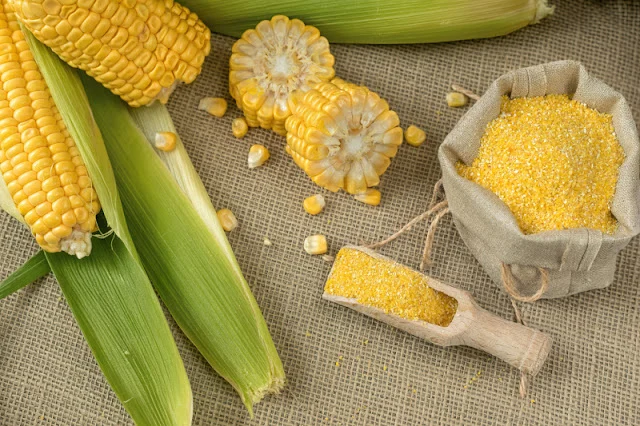
The debate regarding the inclusion of corn in poultry diets has become a focal point of discussion among backyard chicken keepers and commercial poultry producers alike. While corn is a staple of agricultural feed globally, its application within the seasonal cycle of flock management is often misunderstood. Central to this controversy is the physiological impact of corn consumption on a bird’s internal temperature, particularly during periods of extreme heat or cold. Understanding the biological mechanisms of digestion, the nutritional profile of various corn forms, and the environmental factors affecting poultry health is essential for maintaining a productive and healthy flock.
The Physiological Mechanism of Digestion-Induced Thermogenesis
To address the common assertion that corn "heats up" a chicken, one must examine the process of thermogenesis. When a chicken ingests grain, particularly whole or cracked dried corn, the digestive system undergoes a rigorous process to break down the complex carbohydrates. This process begins in the crop and moves to the gizzard, where muscular contractions grind the grain. This metabolic activity generates internal body heat, a phenomenon known as the thermic effect of food or Specific Dynamic Action (SDA).

In the context of avian physiology, this internal heat production is a critical tool for survival during winter months. As temperatures drop, chickens utilize the energy derived from digesting complex grains to maintain their core body temperature of approximately 105°F to 107°F (40.5°C to 41.7°C). Because corn is high in starch and relatively slow to digest compared to simple sugars, it provides a sustained source of metabolic heat throughout the night if fed in the late afternoon or evening. Consequently, the "warming" effect of corn is a biological reality rooted in the energy expenditure required for its processing.
Seasonal Feeding Strategies: A Chronological Approach
The application of corn in poultry management requires a nuanced, seasonal strategy to ensure the birds are not subjected to unnecessary metabolic stress.
Winter Management and Energy Requirements
During the winter months, the primary challenge for poultry is thermoregulation. Small-scale farmers and hobbyists have long utilized "scratch grains"—a mixture typically dominated by cracked corn—as a supplemental evening snack. Data suggests that providing corn just before dusk allows birds to enter the roost with a full crop, ensuring that the digestive furnace remains active during the coldest hours of the night. In this capacity, corn serves less as a primary nutrient source and more as a biological fuel for heat production.

Summer Mitigation and Heat Stress Risks
Conversely, the summer months present a different set of challenges. High ambient temperatures combined with high humidity can lead to heat exhaustion or heat stroke in poultry. Because chickens do not possess sweat glands, they rely on panting (evaporative cooling) and spreading their wings to dissipate heat. Introducing a high-energy, heat-producing grain like dried corn during a heatwave can exacerbate the bird’s struggle to remain cool.
While a small amount of corn is unlikely to be fatal, agricultural experts suggest pivoting toward treats with higher water content during the summer. Foods such as watermelon, cucumbers, and fresh greens provide hydration and essential electrolytes without the significant thermic load associated with dried grains.
Nutritional Profile and Comparative Data
Corn is frequently criticized as being "empty calories," yet a factual analysis of its nutritional composition reveals a more complex picture. While it should not replace a balanced commercial feed, which is formulated to provide 16% to 18% protein for laying hens, corn offers several beneficial micronutrients and macronutrients.

Macronutrients and Energy
Corn is primarily a source of carbohydrates, providing the caloric density needed for active birds. It contains a modest amount of protein (typically 7% to 9%), which is insufficient on its own for growth or egg production but serves as a supplemental energy source. The high fiber content in the kernels also supports healthy gut motility.
Vitamins and Minerals
Corn contains essential antioxidants, including lutein and zeaxanthin, which are vital for eye health and contribute to the deep yellow pigment in egg yolks. Additionally, corn provides:
- Vitamin B6 and Niacin: Essential for metabolic function and nervous system health.
- Vitamin C: An antioxidant that supports the immune system, particularly during periods of stress.
- Folate: Critical for DNA synthesis and cell division.
- Minerals: Significant levels of magnesium, phosphorus, and potassium support bone density and electrolyte balance.
The Versatility of Fresh Corn: Summer Enrichment and Hydration
While dried corn is optimized for winter heat production, fresh corn—including corn on the cob, frozen kernels, and canned varieties—serves a different purpose in the poultry yard. Fresh corn has a much higher moisture content than its dried counterpart, making it a more acceptable treat during warmer weather.

Utilization of By-products: Silks and Husks
The enrichment value of corn extends beyond the kernels. Poultry owners often overlook the nutritional benefits of corn silks and husks. Corn silk is rich in Vitamin K, which is essential for blood clotting and bone health. It also possesses anti-inflammatory properties and has been used in traditional medicine to support kidney and urinary tract health. Ducks, in particular, are known to forage aggressively on corn silks.
Husks provide environmental enrichment, encouraging natural foraging behaviors as birds pick at the fibrous material. This activity can reduce boredom-related behaviors, such as feather picking or egg eating, within the coop.
Managing Sugar and Starch Intake
Despite the benefits of fresh corn, it remains high in natural sugars and starch. Excessive consumption can lead to obesity, particularly in heavier breeds or less active flocks. In ducks, overconsumption of high-calorie treats can contribute to "Angel Wing," a condition where the last joint of the wing twists outward, or more commonly, a buildup of internal fat that interferes with organ function.

Broader Implications for Poultry Health and Industry Standards
The management of corn in a poultry diet reflects broader trends in avian husbandry that emphasize "moderation as a mandate." Veterinary data indicates that one of the leading causes of death in backyard chickens is Fatty Liver Hemorrhagic Syndrome (FLHS). This condition is often the result of a diet too high in carbohydrates and fats, leading to an overly fatty liver that eventually ruptures.
The 10% Rule in Poultry Nutrition
To mitigate the risks of obesity and FLHS, avian nutritionists generally recommend that "treats"—including corn, scratch grains, and kitchen scraps—should make up no more than 10% of a bird’s total daily caloric intake. The remaining 90% must come from a nutritionally complete feed to ensure the bird receives the necessary amino acids, vitamins, and minerals required for eggshell calcification and feather regrowth.
Economic and Sustainability Factors
From an economic perspective, corn remains one of the most affordable supplemental feeds. For small-scale producers, utilizing corn cobs and husks from human food waste is a form of sustainable agriculture that reduces waste while providing free enrichment for the flock. This circular approach to farm management aligns with modern movements toward self-sufficiency and reduced environmental footprints.

Conclusion: A Balanced Approach to Corn Supplementation
The controversy surrounding corn in poultry diets is largely a matter of timing and form rather than the grain itself. Dried, cracked corn remains an unparalleled tool for helping chickens manage the physiological demands of winter, providing the necessary "fuel" for internal thermogenesis. Meanwhile, fresh corn offers a summer-appropriate treat that provides hydration and nutritional variety when fed in moderation.
As the climate continues to present more extreme weather patterns, the ability of poultry keepers to adjust their feeding regimens becomes increasingly important. By understanding the science of how corn affects avian metabolism, farmers can better support the health, productivity, and longevity of their flocks. Corn is neither a "superfood" nor a "danger grain"; rather, it is a versatile agricultural tool that, when used with scientific insight, contributes significantly to the holistic management of domestic poultry.
