
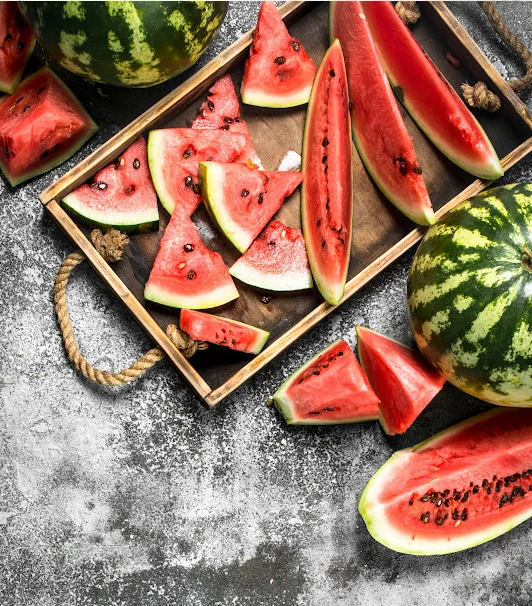
As global temperatures continue to fluctuate and heatwaves become more frequent, backyard poultry keepers are increasingly focused on heat-stress mitigation strategies to maintain the health and productivity of their flocks. Among the various supplemental feeding options available, watermelon has emerged as a premier summer treat, recognized by avian experts and homesteaders alike for its dual role as a hydration tool and a concentrated source of essential nutrients. This fruit, belonging to the Cucurbitaceae family, offers a comprehensive nutritional profile that supports various physiological functions in chickens, ranging from immune system fortification to the enhancement of egg yolk quality.
The Nutritional Architecture of Watermelon in Avian Diets
Watermelon is frequently characterized as a "superfood" for poultry during the summer months due to its unique chemical composition. Composed of approximately 92% water, it serves as an immediate delivery system for fluids, which is critical given that chickens do not possess sweat glands and rely on respiratory evaporation to cool themselves. However, the benefits of watermelon extend far beyond simple hydration.
The fruit is a significant source of Vitamin A, Vitamin C, and Vitamin B6. Vitamin A is essential for maintaining the integrity of mucosal membranes and supporting the respiratory and digestive tracts of the birds. Vitamin C, while synthesized naturally by chickens, is often depleted during periods of high environmental stress; supplemental Vitamin C from watermelon helps stabilize the birds’ internal temperatures and reduces the production of cortisol, a primary stress hormone. Vitamin B6 plays a pivotal role in protein metabolism and the development of the nervous system.
.jpg)
Furthermore, watermelon is rich in essential minerals, specifically potassium and magnesium. Potassium is a vital electrolyte that assists in cellular osmotic balance, which is often disrupted when chickens experience heat-induced panting—a condition known as respiratory alkalosis. Magnesium supports bone health and heart function, ensuring that the flock remains active even in oppressive heat.
The Role of Carotenoids and Lycopene in Poultry Health
One of the most notable attributes of watermelon is its high concentration of lycopene, a powerful antioxidant and a member of the carotenoid family. Scientific analysis indicates that watermelon contains higher levels of lycopene than even raw tomatoes. In avian physiology, antioxidants are crucial for neutralizing free radicals—unstable molecules that can damage cells and lead to chronic conditions such as heart disease or weakened immune responses.
Beyond internal health, the carotenoids found in watermelon have a direct impact on the physical output of the flock. These organic pigments are fat-soluble and are deposited into the yolks of developing eggs. When chickens consume a diet rich in carotenoids, the resulting egg yolks exhibit a deep, vibrant orange color. While yolk color does not necessarily dictate the protein or fat content of the egg, it is widely regarded by consumers and culinary experts as a sign of a healthy, pasture-raised bird and is often associated with a richer flavor profile.
Natural Pest Management and the Cucurbitacin Factor
A growing area of interest among sustainable poultry farmers is the use of natural anthelmintics—substances used to expel parasitic worms. Watermelon, along with its relatives like cucumbers and pumpkins, contains a biochemical compound known as cucurbitacin. This compound is a natural defense mechanism for the plant, but in the context of poultry health, it is widely believed by experienced keepers to act as a natural dewormer.
.jpg)
While cucurbitacin should not entirely replace veterinary-prescribed treatments in the event of a severe infestation, its regular inclusion in the diet via watermelon rinds and seeds can serve as a preventative measure. The seeds of the watermelon are particularly valued in this regard; they are safe for chickens to consume and provide a source of protein and healthy fats, unlike the seeds of some other fruits, such as apples, which contain trace amounts of cyanide.
Heat Stress and Avian Physiology: A Chronology of Care
Understanding the importance of watermelon requires a look at the typical daily cycle of a chicken during a summer heatwave. When ambient temperatures exceed 85 degrees Fahrenheit (29 degrees Celsius), chickens begin to enter a state of thermal discomfort.
- Morning (Temperature Rise): As the sun rises, chickens increase their water intake. Experts recommend providing fresh, cool water at all times.
- Midday (Peak Heat): By noon, birds often retreat to shaded areas and begin "gular fluttering"—a rapid vibration of the upper throat to dissipate heat. At this stage, feed intake usually drops as the birds avoid the metabolic heat produced by digesting dry grains.
- Afternoon (The Critical Window): This is the optimal time for watermelon distribution. Because the fruit is highly palatable and moisture-rich, birds that have stopped eating their regular mash will often still consume watermelon. This prevents dehydration and provides a "slushie" effect that lowers their core body temperature.
- Evening (Recovery): As temperatures drop, the nutrients from the watermelon support the bird’s recovery from the day’s stress, allowing for better sleep and consistent egg production the following morning.
Expert Perspectives and Serving Methodologies
Lisa Steele, a fifth-generation chicken-keeping expert and founder of the "Fresh Eggs Daily" brand, has long advocated for the use of watermelon as a staple of summer flock management. Steele emphasizes that chickens are not "picky eaters" when it comes to this fruit, but the method of serving can influence how much of the nutrients they actually ingest.
The most common method is to simply slice the melon in half and place it on a clean surface or in a shallow tray. This allows the birds to peck at the flesh, seeds, and eventually the rind. The rind is particularly beneficial as it provides roughage and takes longer to consume, keeping the birds occupied and preventing boredom-induced pecking behaviors within the flock.

For keepers looking to maximize the cooling effect, "watermelon slushies" have become a popular innovation. By blending watermelon flesh with ice or freezing chunks of the fruit, owners can provide a frozen treat that significantly reduces the internal temperature of the birds. This method is especially useful for breeds that are less heat-tolerant, such as those with heavy feathering or large combs.
Broader Implications for Sustainable Agriculture
The integration of watermelon into poultry diets reflects a broader trend in sustainable agriculture: the reduction of food waste. In many households and commercial settings, watermelon rinds are discarded. By redirecting these nutrient-dense leftovers to backyard flocks, keepers participate in a circular food economy. The chickens convert the fruit waste into high-quality protein (eggs) and nitrogen-rich manure, which can then be composted to fertilize future crops, including more watermelons.
Furthermore, the use of natural supplements like watermelon reduces the reliance on synthetic electrolytes and chemical additives. As consumers increasingly demand "natural" and "organic" labels on their food, backyard producers who utilize these traditional, "old-timer" methods are finding themselves at the forefront of a movement toward more transparent and ethical animal husbandry.
Risk Assessment and Moderation
While the benefits of watermelon are extensive, professional journalistic standards require an assessment of the risks associated with over-supplementation. Watermelon is high in natural sugars (fructose). While these sugars provide a quick energy boost, they should not comprise the entirety of a chicken’s diet. A balanced commercial feed contains the precise ratio of calcium and phosphorus necessary for eggshell strength and skeletal health—ratios that watermelon cannot provide on its own.

Veterinarians generally recommend that treats, including watermelon, should not exceed 10% of a chicken’s total daily caloric intake. Additionally, keepers must be vigilant about hygiene. In high heat, leftover watermelon can ferment or attract flies and pests. Any unconsumed fruit should be removed from the coop area before nightfall to prevent the growth of mold and to avoid attracting nocturnal predators like raccoons or rats.
Conclusion: A Staple of Modern Homesteading
The use of watermelon in poultry management is a testament to the efficacy of combining traditional wisdom with modern nutritional science. By providing essential hydration, supporting the immune system through antioxidants like lycopene, and potentially aiding in parasite control via cucurbitacin, watermelon serves as a multi-functional tool for the modern homesteader. As climate patterns continue to present challenges for animal welfare, the strategic use of such natural resources will remain a cornerstone of successful and humane backyard chicken keeping. Through careful application and an understanding of avian physiology, poultry enthusiasts can ensure their flocks not only survive the summer months but thrive, producing high-quality eggs and maintaining robust health.
