
The rise of backyard poultry farming has led to an increased focus on the dietary requirements and safety protocols for domestic chickens. As omnivorous foragers, chickens are known for their ability to consume a wide array of organic materials, ranging from commercial grains and seeds to kitchen scraps and garden waste. However, the common practice of feeding vegetable remains to poultry requires a nuanced understanding of botanical families, as certain staples of the human diet can pose significant health risks to avian species. Among the most misunderstood items are potatoes, sweet potatoes, and yams. While these tubers often share a name and culinary application, their biological profiles differ drastically, leading to varying levels of safety for poultry consumption.

The Botanical Classification of Tubers and Avian Safety
To understand why some potatoes are safe for chickens and others are not, one must examine their taxonomic classifications. The term "potato" is applied to several unrelated plant species. The common white potato (including red, yellow, and Russet varieties) belongs to the Solanaceae family, commonly known as nightshades. Sweet potatoes belong to the Convolvulaceae family, or morning glories. True yams belong to the Dioscoreaceae family.
This distinction is not merely academic; it determines the presence of specific phytochemicals that can be either nutritious or lethal. For the backyard keeper, the inability to distinguish between these families can lead to chronic health issues or acute poisoning within the flock.

The Solanine Risk: White Potatoes and the Nightshade Family
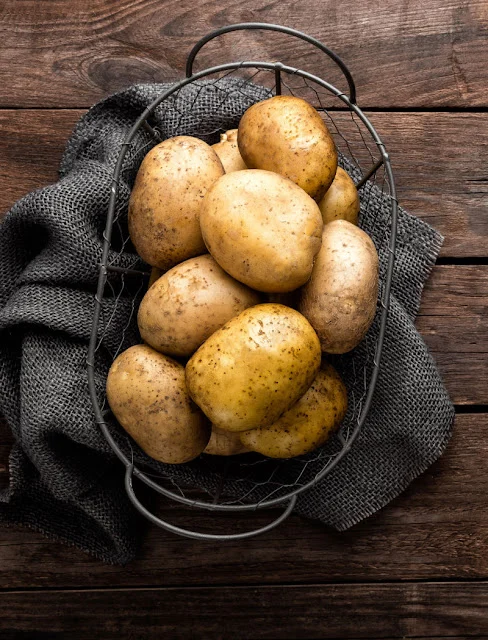
White potatoes (Solanum tuberosum) are a fundamental part of the human diet but present a complex challenge for poultry. As members of the nightshade family—which also includes tomatoes, eggplants, and peppers—white potatoes produce a glycoalkaloid known as solanine. This substance acts as a natural pesticide, protecting the plant from insects and fungi.
Chemical Properties of Solanine
Solanine is a neurotoxin that is not easily neutralized. In white potatoes, the highest concentrations of this toxin are found in the green skin (caused by exposure to light), the "eyes" or sprouts, and the leaves and vines of the plant. Unlike some plant toxins that break down during the cooking process, solanine is heat-stable. Research indicates that while deep-frying at temperatures exceeding 400 degrees Fahrenheit may partially reduce solanine levels, standard boiling has negligible effects on the toxin’s concentration.

Symptoms of Solanine Poisoning in Poultry
When chickens ingest solanine, the toxin can accumulate in their systems over time, leading to both acute and chronic health complications. Veterinary data suggests that the symptoms of solanine toxicity in birds include:
- Gastrointestinal distress, including severe diarrhea and vomiting.
- Neurological impairment, such as lethargy, paralysis, or lack of coordination.
- Respiratory distress and increased heart rate.
- In severe cases or high-dose ingestion, sudden mortality.
While a healthy adult chicken may consume a small amount of white potato flesh without immediate fatal consequences, the risk of sub-clinical damage to internal organs remains high. Young chicks, elderly birds, or those with compromised immune systems are particularly susceptible to even trace amounts of the toxin.

The Nutritional Profile of Sweet Potatoes: A Safe Alternative
In contrast to the risks associated with white potatoes, sweet potatoes (Ipomoea batatas) are considered a "superfood" for both humans and poultry. Because they belong to the morning glory family, they do not produce solanine.
Comprehensive Safety
Every part of the sweet potato plant—including the tubers, skins, stems, vines, and leaves—is safe for chickens to consume. Furthermore, these components can be fed to the flock either raw or cooked, providing a versatile supplement to their standard feed.

Nutritional Benefits for Egg Production
Sweet potatoes are densely packed with essential micronutrients that support avian health and improve egg quality. Key nutrients include:
- Vitamin A (Beta-carotene): Essential for respiratory health and the vibrancy of egg yolks.
- Vitamin C: An antioxidant that helps chickens manage heat stress and boosts the immune system.
- Potassium and Manganese: Vital for bone development and metabolic function.
- Fiber: Aids in digestive health.
Switching from white potato scraps to sweet potato scraps is a recommended strategy for poultry keepers looking to maximize the nutritional value of garden waste without risking the health of their birds.

The Complexity of Yams: Cooking Requirements and Calcium Interference
True yams (Dioscorea species) are often confused with sweet potatoes in North American markets, yet they require a different management approach. While they are not nightshades, they contain certain plant proteins and compounds that can be problematic if handled incorrectly.
The Necessity of Heat Treatment
Raw yams contain various anti-nutritional factors that can be toxic to chickens. Therefore, it is a strict requirement that yams be peeled and thoroughly cooked before being offered to the flock. The cooking process neutralizes these harmful proteins, making the starch digestible and safe.

Oxalic Acid and Eggshell Integrity
A significant concern regarding yams (and other vegetables like spinach) is the presence of oxalic acid. In the avian metabolic system, oxalic acid binds with calcium, forming calcium oxalate. This process interferes with the bird’s ability to absorb calcium into its bloodstream. For laying hens, which require high levels of calcium for eggshell formation, an overabundance of oxalic acid in the diet can lead to:
- The production of soft-shelled or "rubber" eggs.
- Calcium deficiency in the hen, potentially leading to bone density issues.
- Reduced overall egg production.
Consequently, while cooked yams offer benefits such as Vitamin B5 and manganese, they should be fed in moderation and balanced with adequate calcium supplementation, such as crushed oyster shells.

Chronology of Dietary Management in Poultry Farming
The evolution of poultry feeding practices has moved through several distinct phases:
- Pre-Industrial Foraging: Chickens primarily relied on pasture, insects, and diverse seeds.
- Early 20th Century Scraps: Farm households fed all kitchen waste to chickens, often unknowingly causing sporadic losses due to solanine or mold.
- The Commercial Feed Era: The development of nutritionally balanced crumbles and pellets standardized poultry health but often discouraged the use of supplemental fresh foods.
- Modern Sustainable Backyard Keeping: A return to supplemental feeding with a focus on scientific safety. Keepers now use botanical knowledge to distinguish between safe and hazardous "scraps."
Broader Implications for Flock Management and Waste Reduction
The decision to include or exclude specific tubers from a chicken’s diet has implications beyond the immediate health of the birds. It touches upon the sustainability of household waste management and the economic efficiency of small-scale farming.

The 10% Rule for Treats
Poultry nutritionists emphasize that even safe supplements like sweet potatoes should not exceed 10% of a chicken’s total daily intake. A standard laying hen requires approximately 120 grams of feed per day; thus, treats should be limited to about one tablespoon per bird. Exceeding this limit can dilute the essential proteins and minerals found in commercial feed, leading to nutritional imbalances.
Mold and Mycotoxins
A critical safety factor regardless of the tuber type is the presence of mold. Potatoes of any variety that have begun to rot or develop mold can contain mycotoxins. These fungal toxins are highly dangerous to birds, often causing respiratory failure or long-term liver damage. The journalistic and veterinary consensus is clear: if a food item is not fit for human consumption due to spoilage, it is not fit for poultry.

Summary of Recommendations for Poultry Keepers
Based on botanical evidence and avian health data, the following protocols are recommended for the safe integration of tubers into a poultry diet:
- White Potatoes: Avoid entirely if possible. If they must be fed, ensure they are fully ripe (no green), peeled, and baked at high temperatures. Never feed the leaves or vines.
- Sweet Potatoes: Highly recommended. All parts of the plant are safe and can be fed raw or cooked. They serve as an excellent source of vitamins.
- Yams: Safe only when peeled and cooked. Should be fed in limited quantities to avoid interference with calcium absorption and eggshell quality.
- General Hygiene: Never feed moldy or spoiled potatoes to the flock. Monitor the 10% treat threshold to maintain a balanced nutritional profile.
By adhering to these guidelines, backyard poultry enthusiasts can ensure the longevity and productivity of their flocks while effectively utilizing garden and kitchen resources. The distinction between the Solanaceae and Convolvulaceae families remains the most vital piece of knowledge in the prevention of accidental poisoning in domestic poultry.
