
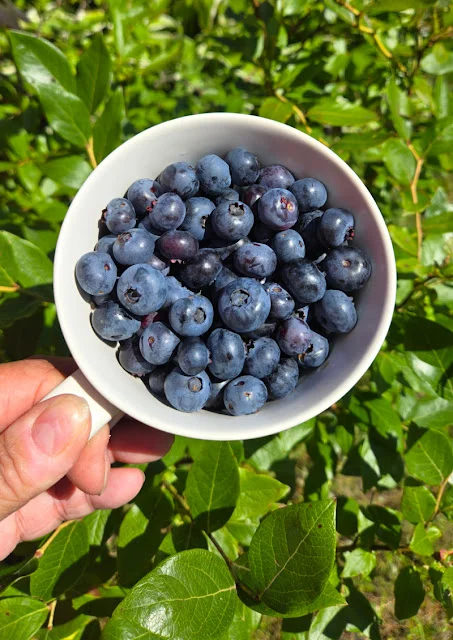
The integration of fruit-based supplements into poultry diets has become a focal point of contemporary avian husbandry, with blueberries emerging as a premier choice for nutritional enrichment. As backyard chicken keeping experiences a global resurgence, poultry experts and veterinary nutritionists are increasingly examining the physiological benefits of "superfoods" such as the blueberry (genus Vaccinium). Recent findings and expert testimonies suggest that these small fruits provide a dense concentration of vitamins, minerals, and bioactive compounds that can significantly enhance the health, longevity, and productivity of domestic flocks. While chickens are primarily granivores and insectivores, the inclusion of specific fruits like blueberries offers a multifaceted approach to dietary management, addressing everything from cardiovascular health to cognitive function in avian species.
The Nutritional Profile of Blueberries in Avian Physiology
The nutritional value of blueberries for chickens is rooted in their complex chemical composition. Blueberries are notably rich in Vitamin C (ascorbic acid) and Vitamin K (phylloquinone). In poultry, Vitamin C plays a critical role in mitigating the effects of heat stress, a common cause of mortality and reduced egg production in backyard flocks. Vitamin K is essential for the synthesis of proteins required for blood coagulation and bone metabolism. By providing these vitamins through a natural source, keepers can bolster the structural integrity of their birds’ skeletal systems and ensure efficient healing processes.

Beyond basic vitamins, blueberries contain significant levels of manganese and potassium. Manganese is a vital trace mineral for poultry, influencing growth rates, eggshell thickness, and the prevention of perosis, a common leg deformity. Potassium serves as a primary electrolyte, maintaining cellular fluid balance and supporting nerve transmission. The synergy of these minerals ensures that the bird’s internal systems operate with high efficiency, particularly during the demanding periods of molting and peak egg production.
Antioxidant Properties and Anthocyanins
Perhaps the most significant contribution of blueberries to the avian diet is their high concentration of antioxidants, specifically anthocyanins. These are the pigments responsible for the deep blue and purple hues of the fruit. In a biological context, anthocyanins serve as powerful anti-inflammatory agents. Chronic inflammation in poultry can lead to a variety of systemic issues, including reduced immune response and decreased reproductive output.
Research into avian oncology and immunology suggests that the regular consumption of antioxidant-rich foods can protect cellular DNA from oxidative damage. This protection is vital in the prevention of certain types of cancer and the slowing of age-related cognitive decline. While "mental cognitive abilities" are often discussed in human terms, chickens also benefit from neurological support, which manifests as better foraging behavior, social stability within the pecking order, and improved environmental adaptability.

Digestive Health and the Prebiotic Effect
The avian digestive tract is a complex ecosystem where the balance of microflora determines the bird’s overall health. Blueberries provide dietary fiber, which aids in the mechanical movement of feed through the digestive system. More importantly, they contain prebiotics—non-digestible fibers that serve as a primary food source for beneficial probiotics (good bacteria).
Optimal gut health is the cornerstone of poultry production. A robust microbiome allows for the maximum absorption of nutrients from the bird’s primary feed. By fostering a healthy gut environment through blueberry supplementation, keepers can indirectly improve the efficiency of the entire diet. This leads to better weight management and higher-quality egg production, as the bird is better equipped to process calcium and protein.
Implementation and Safety Protocols in the Poultry Yard
While the benefits of blueberries are extensive, the methodology of feeding is crucial to maintaining flock safety. Agricultural experts emphasize that blueberries should be treated as a supplement rather than a dietary staple. The prevailing industry standard is the "10% Rule," which dictates that treats and supplements should never exceed 10% of a bird’s total daily caloric intake. For an average adult chicken, this translates to approximately one to two tablespoons per day.

Over-supplementation with fruit can lead to an imbalance in the diet, particularly a deficiency in essential proteins and amino acids found in commercial layer pellets. High sugar content in fruits, even natural ones like blueberries, can also lead to obesity in sedentary birds, which in turn increases the risk of fatty liver hemorrhagic syndrome (FLHS).
Safety concerns also extend to the physical size of the fruit. While most adult chickens can easily consume whole blueberries, smaller breeds (such as bantams) or young pullets may face a choking hazard. In these instances, experts recommend slicing or mashing the berries to ensure they can be swallowed safely.
Cultivated vs. Native Varieties: A Comparative Overview
The source of the blueberries also plays a role in their nutritional delivery. In regions such as Maine, native low-bush blueberries (Vaccinium angustifolium) are common. These wild varieties are often smaller and have a higher skin-to-pulp ratio than cultivated high-bush blueberries (Vaccinium corymbosum). Because many of the antioxidants and fiber are concentrated in the skin, wild or native blueberries often provide a more potent nutritional punch per gram than their larger, cultivated counterparts.

Furthermore, the practice of growing blueberries on-site—a method utilized by experts like Lisa Steele of Fresh Eggs Daily—provides a sustainable loop within the farm ecosystem. Chickens can assist in pest control around blueberry bushes (provided the plants are protected from over-foraging), and in return, the birds receive the fresh, pesticide-free harvest. This "farm-to-flock" approach ensures that the nutrients are at their peak when consumed.
Chronology of Modern Poultry Diet Evolution
The transition toward including superfoods like blueberries represents a significant shift in the history of poultry keeping:
- Pre-1950s (Traditional Scavenging): Small-scale flocks primarily relied on kitchen scraps and pasture foraging. Diets were varied but lacked scientific optimization.
- 1950s–1990s (The Rise of Commercial Pellets): The focus shifted to standardized, nutritionally complete feeds designed for maximum growth and egg output. Supplementation was often discouraged to maintain the balance of the formulated feed.
- 2000s–Present (The Holistic Turn): As the backyard chicken movement grew, owners began seeking ways to improve bird longevity and egg quality through natural additives. The "superfood" trend in human nutrition crossed over into animal husbandry.
- 2020 and Beyond (Scientific Validation): Contemporary experts now use laboratory analysis to confirm the benefits of traditional "old-timer" methods, validating the use of blueberries and other fruits as effective tools for avian health management.
Broader Implications for the Poultry Industry
The advocacy for blueberry supplementation reflects a broader trend toward "functional feeding" in the agricultural sector. This approach prioritizes ingredients that provide health benefits beyond basic nutrition. For the commercial industry, this could mean the development of berry-derived additives to reduce the reliance on synthetic antibiotics, as improved gut health and immune response naturally lower the need for medicinal intervention.

For the backyard keeper, the implications are more immediate. Healthier birds result in lower veterinary costs and a more rewarding experience for the hobbyist. Furthermore, the consumption of blueberries by laying hens can have subtle effects on the eggs themselves. While it does not change the flavor of the egg, a hen with a high-antioxidant diet and superior gut health is more likely to produce eggs with strong shells and nutrient-dense yolks.
Expert Reactions and Community Perspectives
The poultry-keeping community has largely embraced the findings regarding blueberries. Leading voices in the field, such as Lisa Steele, a fifth-generation chicken keeping expert, have integrated these practices into their standard care routines. Steele, who also observes similar positive reactions in ducks, notes that the behavioral enrichment provided by such treats is as valuable as the nutritional content. Foraging for berries provides mental stimulation, reducing stress-induced behaviors like feather picking or aggression within the flock.
Veterinary professionals caution that while blueberries are safe, they must be part of a "clean" diet. Birds should not be fed blueberries that have been processed with added sugars, preservatives, or spices intended for human consumption (such as in pie fillings). The emphasis remains on raw, fresh, or frozen berries to maintain the integrity of the nutrients.

Conclusion
The evidence supporting the inclusion of blueberries in chicken diets is robust and multifaceted. By providing a rich source of Vitamin C, Vitamin K, and powerful antioxidants like anthocyanins, blueberries serve as a vital tool for supporting the cardiovascular, skeletal, and immune systems of domestic poultry. When administered within the 10% dietary limit and with attention to physical safety, these fruits contribute to a holistic approach to avian welfare. As the understanding of poultry nutrition continues to evolve, the blueberry stands as a testament to the efficacy of natural, nutrient-dense supplementation in modern animal husbandry.
