
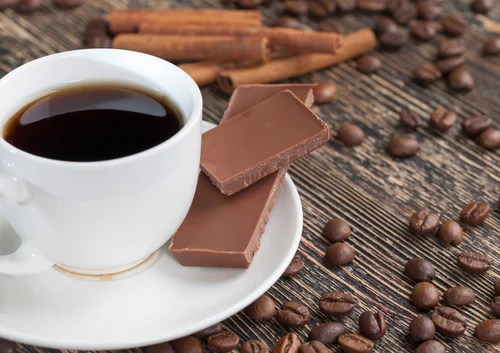
The burgeoning trend of backyard chicken keeping has brought a renewed focus to avian nutrition, specifically regarding the unintended consequences of feeding kitchen scraps to domestic poultry. While chickens are often celebrated for their ability to process various organic waste, veterinary toxicologists and poultry experts are issuing a stern warning: chocolate and caffeine-based products pose a lethal threat to the health of the flock. These substances, which are ubiquitous in modern human diets, contain chemical compounds that the avian digestive and cardiovascular systems are ill-equipped to handle. The primary culprits are methylxanthines—specifically theobromine and caffeine—which can induce a range of symptoms from mild distress to sudden cardiac failure in Gallus gallus domesticus.
The Biochemical Mechanism of Toxicity
To understand why chocolate and caffeine are toxic to chickens, one must examine the molecular structure of these substances. Chocolate is derived from the seeds of the Theobroma cacao tree, which naturally contains theobromine, a bitter alkaloid belonging to the methylxanthine class. Caffeine, another methylxanthine, is found in coffee beans, tea leaves, and certain kola nuts. While humans possess specific enzymes in the liver that efficiently metabolize these compounds, chickens, along with many other domestic animals like dogs and cats, process them much more slowly.
When a chicken ingests chocolate or coffee grounds, the methylxanthines act as potent stimulants to the central nervous system and the heart. These compounds inhibit adenosine receptors and increase the levels of intracellular calcium, leading to the overstimulation of muscle tissues. In birds, whose metabolic rates are significantly higher than those of mammals, this stimulation occurs rapidly. The heart rate of a healthy chicken typically ranges between 250 and 350 beats per minute. Under the influence of caffeine or theobromine, this rate can skyrocket to unsustainable levels, leading to arrhythmias, hypertension, and eventually, cardiac arrest.

Chronology of Ingestion and Symptomatic Progression
The progression of toxicity in chickens follows a predictable and often rapid timeline, depending on the concentration of the toxin and the size of the bird. Because chickens are relatively small animals, even a trace amount of dark chocolate—which has higher concentrations of theobromine than milk chocolate—can be fatal.
Within the first 30 to 60 minutes of ingestion, a chicken may exhibit signs of hyperactivity or restlessness. Unlike the typical foraging behavior, a bird suffering from caffeine toxicity may appear frantic, with jittery movements and a lack of coordination. As the toxins enter the bloodstream more fully, usually between one to three hours post-ingestion, gastrointestinal distress becomes apparent. This often manifests as vomiting or severe diarrhea.
In the critical window of four to eight hours after consumption, the internal physiological strain reaches its peak. The respiratory rate increases as the bird struggles to oxygenate its rapidly beating heart. Neurological symptoms may follow, including muscle tremors and seizures. If the dose is high enough, the bird will enter a coma or suffer a fatal cardiac event. Because avian physiology is highly efficient at absorbing nutrients, the window for medical intervention is narrow, often leaving owners with little time to seek veterinary assistance.
Supporting Data and Nutritional Context
According to data from the American Veterinary Medical Association (AVMA) and various avian health registries, accidental poisonings in backyard flocks have seen a measurable uptick as the "farm-to-table" movement encourages more novices to take up poultry husbandry. Statistics suggest that a significant portion of these incidents occur during holiday seasons when chocolate-based treats are more prevalent in households.

Research into avian nutrition emphasizes that the dietary requirements of chickens are highly specific. A standard layer pellet is formulated to provide a precise balance of protein, calcium, and minerals. Deviations from this diet, particularly through the introduction of "junk food," introduce not only toxins but also dangerous levels of fats and sugars. A chocolate donut or a piece of caffeinated cake may contain lower levels of theobromine than a bar of pure cocoa, but the high fat content can lead to Fatty Liver Hemorrhagic Syndrome (FLHS), a leading cause of mortality in backyard hens. Furthermore, the high sugar content in these treats can disrupt the delicate balance of the chicken’s crop and gut flora, leading to conditions such as "sour crop" (candidiasis).
Veterinary Reactions and Expert Analysis
Dr. Elizabeth Sanders, a specialist in avian medicine, notes that the danger is often exacerbated by the misconception that chickens can eat "anything." "We see a recurring pattern where well-meaning owners treat their chickens like feathered disposal units," Sanders explains. "While chickens are omnivores, their systems are not designed for processed human stimulants. The toxic dose of theobromine for a bird is remarkably low. What a human considers a small bite of a chocolate bar can be a lethal dose for a five-pound hen."
In response to the rising number of dietary-related poultry illnesses, several state agricultural extensions have updated their "Toxic Foods for Poultry" lists. These organizations emphasize that caffeine sources are not limited to chocolate. Coffee grounds, often used in composting or as a garden amendment, are a significant risk if chickens are allowed to forage in those areas. Tea bags, even those that are used, retain enough residual caffeine to pose a risk to a curious bird. Sports drinks and certain sodas, which may be accidentally left within reach of free-ranging flocks, are also highlighted as high-risk items due to their concentrated caffeine and sugar levels.
Broader Implications for the Backyard Poultry Industry
The issue of chocolate and caffeine toxicity is part of a larger conversation regarding the professionalization of backyard poultry care. As chickens transition from purely agricultural livestock to "companion animals" or "pets with benefits," the risk of anthropomorphism—attributing human traits and desires to animals—increases. Owners often want to share their favorite treats with their birds, unaware of the biological divide that makes these treats dangerous.

This shift in the perception of chickens has implications for the safety of the food chain as well. While a chicken that survives a mild case of caffeine poisoning may continue to lay eggs, the long-term effects of toxin exposure on egg quality and bird longevity are still being studied. Experts argue that maintaining a strict "no-human-treats" policy for substances containing methylxanthines is essential for the bio-security and health of the domestic egg supply.
Preventive Measures and Safe Alternatives
To mitigate the risk of accidental poisoning, experts recommend a multi-faceted approach to flock management. First, all kitchen scraps should be screened before being offered to birds. Items containing chocolate, cocoa powder, coffee, or tea must be strictly excluded. Second, owners should be mindful of their composting practices; coffee grounds should be buried deep within a compost pile or kept in a secured bin that chickens cannot access.
For owners who wish to provide supplemental treats to their flock, there are numerous safe and healthy alternatives that do not carry the risk of cardiac distress. Leafy greens such as kale and spinach, vegetables like pumpkins and cucumbers, and protein sources such as mealworms or dried soldier fly larvae provide enrichment without the metabolic strain of methylxanthines. These alternatives support the bird’s natural foraging instincts while contributing to their overall nutritional well-being.
Final Analysis of Risk
The consensus among poultry scientists is clear: there is no "safe" amount of chocolate or caffeine for a chicken. The potential for rapid physiological decline and the high probability of a fatal outcome make these substances among the most dangerous items in a household for a backyard bird. As the popularity of home-raised poultry continues to grow, the importance of education regarding avian-specific toxins cannot be overstated. Ensuring that the flock remains caffeine-free is not merely a matter of optimal nutrition; it is a fundamental requirement for the survival and welfare of the birds. By adhering to rigorous feeding standards and recognizing the unique biological limitations of the species, poultry keepers can protect their flocks from these avoidable and tragic toxicological events.
