
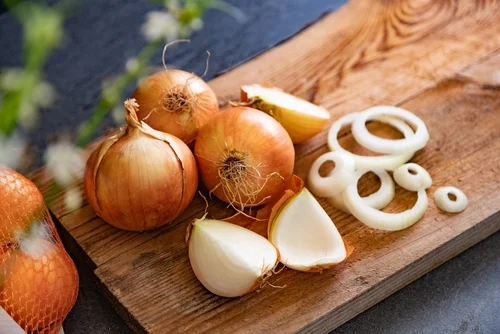
The practice of feeding kitchen scraps to backyard poultry has long been a cornerstone of sustainable homesteading, yet recent veterinary data and poultry nutrition studies have highlighted significant risks associated with certain common vegetables. Among the most hazardous are onions and other members of the Allium genus, which contain chemical compounds capable of inducing life-threatening physiological conditions in avian species. While chickens are often viewed as opportunistic omnivores capable of processing a wide variety of organic matter, the biological reality of their digestive and circulatory systems necessitates a strict avoidance of onions to prevent oxidative damage and systemic failure.
The Chemical Basis of Allium Toxicity
The primary threat posed by onions (Allium cepa) involves a group of organosulfur compounds, most notably thiosulphate and N-propyl disulfide. While these compounds contribute to the distinct aroma and flavor of onions that humans enjoy, they are processed differently by the metabolic pathways of various animals. In chickens, as well as in domestic dogs and cats, these compounds act as potent oxidizing agents within the bloodstream.

When a chicken ingests onions, the thiosulphate is absorbed into the gastrointestinal tract and subsequently enters the circulatory system. Once in the blood, the toxin begins to interact with the hemoglobin molecules within the red blood cells (erythrocytes). Hemoglobin is the protein responsible for transporting oxygen from the lungs—or in the case of birds, the air sacs and lungs—to the various tissues and organs of the body. The oxidative stress caused by thiosulphate results in the denaturation of hemoglobin, leading to the formation of Heinz bodies. These are small inclusions of damaged hemoglobin that attach to the surface of the red blood cell, signaling the bird’s spleen and liver to identify the cell as defective and destroy it.
The Chronology of Onion Poisoning in Poultry
The progression of onion toxicity, often referred to as Heinz body anemia, follows a predictable chronological path depending on the volume of ingestion. Unlike acute toxins that may cause immediate collapse, Allium toxicity often manifests over several days as the population of healthy red blood cells steadily declines.
In the initial stage, occurring within 12 to 24 hours of ingestion, the bird may show subtle signs of digestive upset. As the oxidative process accelerates, the destruction of red blood cells begins to outpace the bone marrow’s ability to produce replacements. By the 48-to-72-hour mark, the chicken typically enters a state of regenerative or non-regenerative anemia.

The clinical symptoms during this secondary phase include noticeable lethargy and a reduction in physical activity. Because the blood can no longer efficiently transport oxygen, the bird’s respiratory rate increases significantly (tachypnea) as it attempts to compensate for the internal oxygen deficit. This is often accompanied by a pale appearance in the comb and wattles, which lose their vibrant red color due to the lack of oxygenated blood flow. If the dosage of onion was substantial, the bird may develop jaundice, visible as a yellowish tint to the skin or eyes, caused by the buildup of bilirubin—a byproduct of the rapid breakdown of red blood cells.
In the final stages of toxicity, the bird experiences profound weakness, diarrhea, and eventually multi-organ failure. Without intervention or a cessation of the toxic diet, the condition is frequently fatal.
Comparative Risks Within the Allium Genus
While the common bulb onion is the most frequent culprit in accidental poisonings, the entire Allium family carries varying degrees of risk. Poultry keepers must exercise caution with several related plants:

- Shallots and Scallions: These contain high concentrations of organosulfur compounds similar to those found in standard onions.
- Leeks: Though often considered milder in flavor, leeks possess the same thiosulphate profile and should be strictly excluded from the coop.
- Chives: Frequently found in herb gardens where chickens may forage, chives are equally dangerous and can cause rapid onset of hemolytic anemia if consumed in quantity.
The concentration of toxins can vary based on whether the vegetable is raw, cooked, or dehydrated. Contrary to some myths in the homesteading community, cooking onions does not neutralize the thiosulphate. In fact, dehydration can actually concentrate the toxin, making onion powder or dried onion flakes particularly dangerous for small livestock.
The Garlic Paradox: Benefits Versus Risks
Garlic (Allium sativum) occupies a unique and often controversial position in poultry nutrition. While it belongs to the same genus as the onion, its chemical composition differs in one crucial aspect: it contains significantly lower levels of the specific disulfides that trigger Heinz body anemia.
Veterinary researchers and poultry experts, such as those at ChickenDVM, note that garlic possesses a range of therapeutic properties that may benefit chickens when administered in controlled, moderate doses. Garlic is rich in allicin, a compound known for its antimicrobial, antifungal, and antiviral properties. In the poultry industry, garlic is frequently used as a natural growth promoter and immune system booster.

Data suggests that for garlic to become toxic to a chicken, the bird would need to ingest an extraordinarily large amount—typically exceeding 3% to 5% of its total body weight in a short period. In contrast, powdered garlic or garlic-infused water is widely regarded as safe. Many experienced keepers utilize garlic powder in daily feed or fresh cloves in water troughs to support respiratory health and repel internal parasites. However, the distinction remains critical: while garlic has a wide margin of safety, onions have a very narrow one, leading experts to recommend a "zero-tolerance" policy for onions while allowing for the medicinal use of garlic.
Supporting Data and Expert Perspectives
The consensus among avian veterinarians is that the "dose makes the poison," but the risk-to-reward ratio for onions is fundamentally flawed. According to toxicological profiles provided by veterinary diagnostic labs, even small, consistent doses of onions can lead to chronic anemia, which weakens the bird’s immune system and makes it more susceptible to secondary infections like Coccidiosis or respiratory viruses.
Lisa Steele, a prominent author and fifth-generation poultry expert, emphasizes that any potential nutritional benefit from onions—such as trace vitamins or antioxidants—is far outweighed by the risk of red blood cell destruction. Steele and other industry leaders advocate for a diet centered on high-quality commercial layers’ pellets, supplemented by "safe" treats that provide enrichment without the threat of chemical toxicity.

A 2017 study into avian hematology noted that because birds have nucleated red blood cells (unlike mammals), their response to oxidative stress can be particularly complex. The study highlighted that backyard flocks are more at risk for "accidental" toxicity than commercial flocks because of the high prevalence of table scrap feeding in residential settings.
Broader Implications for Backyard Flock Management
The rise of urban and suburban chicken keeping has led to an increase in reported cases of accidental poisoning. This trend underscores a need for better education regarding "The Dirty Dozen" of poultry feed—a list of items that, while seemingly natural, are incompatible with avian physiology. Aside from onions, this list typically includes chocolate, caffeine, avocado (containing persin), moldy feed, and dry beans.
For the poultry owner, the implications are clear: waste management must be handled with care. If kitchen scraps are collected for the coop, they should be sorted in the kitchen rather than tossed indiscriminately into the run.

Safe Alternatives and Nutritional Recommendations
To provide the environmental enrichment that chickens crave without compromising their health, owners should pivot toward verified safe alternatives. These include:
- Leafy Greens: Kale, spinach, and Swiss chard provide essential vitamins and minerals.
- Grains and Seeds: Oats, sunflower seeds, and cracked corn are excellent for energy, especially in colder months.
- Vegetables: Cucumbers, squash, and pumpkins are highly palatable and hydrate the birds.
- Proteins: Mealworms and Black Soldier Fly Larvae (BSFL) support feather growth and egg production.
By adhering to a strict exclusion of onions and their relatives, poultry keepers can ensure the longevity and productivity of their flocks. The prevention of Heinz body anemia is a simple matter of dietary discipline, requiring only a basic understanding of the chemical interactions between the Allium genus and the avian circulatory system. As the backyard chicken movement continues to grow, the transition from "opportunistic feeding" to "informed nutrition" remains the most effective way to safeguard the health of domestic birds.
