
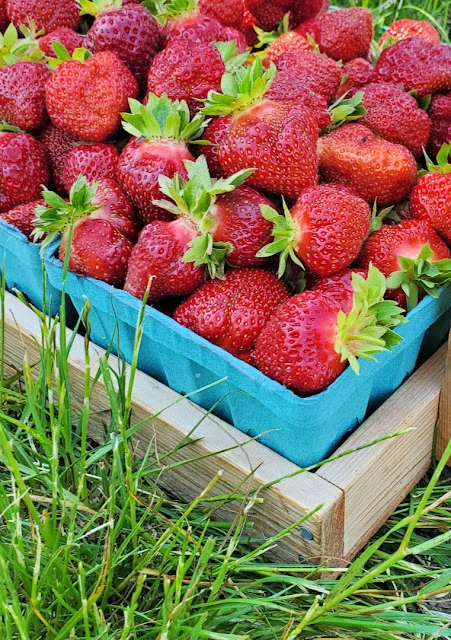
Backyard poultry enthusiasts and agricultural experts are increasingly emphasizing the importance of dietary variety in maintaining flock health, with strawberries emerging as a primary recommendation for supplemental nutrition. As the trend of small-scale chicken keeping continues to expand across urban and suburban landscapes, the focus has shifted from basic sustenance to optimized wellness. Strawberries, known scientifically as Fragaria × ananassa, offer a complex profile of vitamins, minerals, and antioxidants that can significantly bolster the immune systems and metabolic functions of domestic fowl. However, experts warn that while these fruits are highly beneficial, their integration into a bird’s diet requires a disciplined approach to moderation to avoid gastrointestinal distress and nutritional imbalances.
The Nutritional Architecture of Strawberries for Avian Health
The inclusion of strawberries in a chicken’s diet provides a concentrated source of essential micronutrients that are often found in varying levels within standard commercial feeds. Strawberries are notably high in Vitamin C (ascorbic acid), Vitamin K, and Vitamin B6. In poultry, Vitamin C plays a critical role in stress management, particularly during periods of extreme heat or environmental transition. While chickens can synthesize their own Vitamin C, supplemental intake during heat waves has been shown to improve eggshell quality and overall survivability.
Vitamin K is vital for blood coagulation and bone metabolism, ensuring that birds maintain skeletal integrity, which is especially important for high-production laying hens that utilize significant calcium reserves. Furthermore, strawberries are a significant source of manganese, folate, and potassium. Manganese is a cofactor for several enzymes and is essential for the development of healthy bone structure and the prevention of perosis, a common leg deformity in growing birds.

Beyond vitamins and minerals, strawberries are rich in phenols and anthocyanins. These compounds act as powerful antioxidants, neutralizing free radicals within the bird’s body. By reducing oxidative stress, these antioxidants support the longevity of the flock and may contribute to more vibrant plumage and improved cellular repair.
Dietary Guidelines and the Ten Percent Rule
Despite the myriad health benefits, strawberries must be classified strictly as a treat rather than a primary food source. Avian nutritionists and experienced keepers, such as Lisa Steele, a prominent expert in natural poultry husbandry, advocate for the "10% Rule." This guideline dictates that supplemental treats, including fruits, vegetables, and kitchen scraps, should never exceed 10% of a chicken’s total daily caloric intake.
For an average adult chicken, this translates to approximately one to two tablespoons of supplemental food per day. The primary reason for this restriction is the high sugar content found in fruit. While the fructose in strawberries is natural, an avian digestive system is not designed to process large quantities of sugar. Overconsumption can lead to a disruption of the gut microbiome, resulting in diarrhea or a condition known as "vent gleet," a fungal infection of the digestive and reproductive tracts.
The balance of a chicken’s diet must remain centered on a high-quality, nutritionally complete layer or grower feed. These commercial feeds are scientifically formulated to provide the exact ratio of protein, fats, and minerals required for growth and egg production. When treats displace too much of this primary ration, birds may suffer from protein deficiencies or calcium imbalances, leading to a decline in egg production and weakened immune responses.

Comprehensive Utilization: From Fruit to Foliage
One of the unique advantages of strawberries in a poultry setting is the edibility of the entire plant. Unlike certain garden plants where only the fruit is safe—such as the nightshade family (tomatoes, potatoes, eggplants), where the green parts are toxic—every component of the strawberry plant is safe for chickens.
The green "caps" or calyxes, the stems, and the leaves provide additional nutritional value. Strawberry leaves and stems are high in fiber, which aids in digestion and helps move food through the crop and gizzard. Furthermore, the green portions of the plant contain tannins and iron. Tannins, in appropriate amounts, act as a mild digestive aid and have been studied for their potential antimicrobial properties in the gut.
Many keepers find that "repurposing" strawberry tops—the parts usually discarded during human food preparation—is an efficient way to provide treats without increasing food waste. This practice aligns with sustainable agricultural movements that seek to create closed-loop systems within the home garden.
Historical Context and the Evolution of Poultry Feeding
The practice of feeding fruit to chickens is not a modern invention, but the scientific understanding behind it has evolved significantly. Historically, farm chickens were scavengers, foraging for fallen fruit in orchards and consuming insects and wild greens. This varied diet contributed to the "golden yolks" prized by previous generations.

In the mid-20th century, the rise of industrial poultry farming led to a standardization of feed, focusing almost exclusively on corn and soy-based mashes or pellets. While this maximized efficiency and growth rates, it removed the dietary complexity found in traditional farm settings.
The 21st-century resurgence of backyard chicken keeping has brought about a "renaissance of the varied diet." Modern keepers are now combining the reliability of scientifically formulated pellets with the nutritional diversity of fresh produce. This evolution reflects a broader societal shift toward organic and holistic animal husbandry, where the health of the animal is seen as directly linked to the quality of the food it produces.
Safety Protocols: Pesticides and Preparation
A critical concern when feeding strawberries to poultry is the presence of chemical residues. Strawberries consistently rank high on the "Dirty Dozen" list, a report published by environmental advocacy groups highlighting produce with the highest pesticide loads. Because chickens have a high metabolic rate and relatively small body mass, they can be more sensitive to chemical toxins than humans.
To mitigate these risks, experts recommend the following safety protocols:

- Thorough Washing: All non-organic, store-bought berries should be washed in a solution of water and vinegar or a dedicated fruit wash to remove surface residues.
- Sourcing: Whenever possible, keepers are encouraged to source berries from local organic farms or to cultivate their own. Growing strawberries in or near the chicken run (protected by wire mesh) allows for a fresh, chemical-free supply.
- Temperature Management: In summer months, freezing strawberries before feeding them to the flock can serve as a dual-purpose treat, providing nutrition while helping the birds lower their core body temperature.
Broader Implications for Flock Management and Sustainability
The integration of strawberries into poultry management has implications that extend beyond individual bird health. From a sustainability perspective, using the "waste" products of strawberry consumption—such as bruised fruit or tops—reduces the organic load in landfills. When chickens consume these scraps, they convert them into high-nitrogen manure, which can then be composted and returned to the garden to fertilize the next crop of strawberries.
Furthermore, the act of feeding treats like strawberries serves an essential role in flock socialization. Chickens are highly motivated by food, and regular treat-giving allows keepers to bond with their birds, making it easier to perform health checks or move the flock into the coop at night. A bird that is eager to approach for a strawberry is a bird that can be easily inspected for mites, injuries, or respiratory issues.
Analysis of Economic and Production Impacts
While some might view the feeding of premium fruits like strawberries as an unnecessary expense, there is a burgeoning argument for its economic utility in small-scale operations. High-quality supplemental nutrition contributes to a more robust immune system, potentially reducing the need for veterinary intervention or expensive supplements.
Improved flock health also correlates with better egg quality. Anthocyanins and other pigments found in berries can contribute to the depth of color in egg yolks, a trait often associated with higher levels of Omega-3 fatty acids and Vitamin A. For small-scale producers who sell eggs at farmers’ markets, the "pasture-raised" and "varied diet" labels can command a premium price, offsetting the cost of supplemental produce.

Conclusion
The data surrounding avian nutrition confirms that strawberries are a superior treat choice for backyard chickens, provided they are administered within a structured dietary framework. By offering a potent mix of Vitamin C, K, and antioxidants, strawberries support the physiological demands of egg-laying and environmental adaptation. As the backyard poultry movement continues to mature, the focus on such nutrient-dense supplements highlights a sophisticated approach to animal welfare—one that values both the productivity and the biological health of the flock. Through careful moderation and a focus on organic, clean sourcing, keepers can ensure that their chickens thrive, contributing to a sustainable and healthy home ecosystem.
