
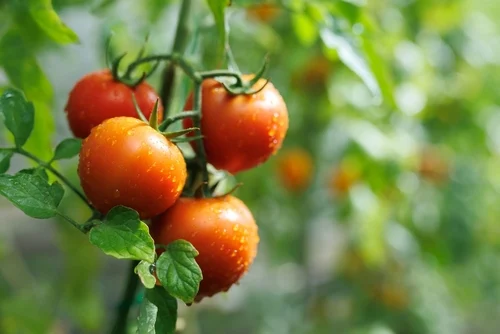
The intersection of horticulture and small-scale animal husbandry often presents unique challenges for the modern homesteader, particularly regarding the safety of garden-sourced supplemental feed for domestic poultry. While the common tomato (Solanum lycopersicum) is a staple of the backyard garden, its inclusion in the diet of the domestic chicken (Gallus gallus domesticus) requires a nuanced understanding of botanical toxicology and avian nutrition. As members of the Solanaceae, or nightshade family, tomatoes contain specific alkaloids—namely solanine and tomatine—that can pose significant health risks to poultry if ingested in improper forms or quantities. This comprehensive report examines the chemical composition of the tomato plant, the physiological impact of its toxins on avian systems, and the established best practices for integrating ripe fruit into a balanced poultry diet.
Botanical Classification and the Chemical Profile of Nightshades
To understand the risks associated with tomato consumption, one must first examine the evolutionary biology of the Solanaceae family. This diverse group of flowering plants includes not only tomatoes but also potatoes, peppers, and eggplants, as well as more overtly toxic species like belladonna (deadly nightshade) and tobacco. These plants have evolved a sophisticated chemical defense mechanism to deter herbivory, primarily through the production of glycoalkaloids.

In tomatoes, the primary glycoalkaloids of concern are solanine and tomatine. Solanine is a bitter-tasting steroidal alkaloid that acts as a natural pesticide. In chickens, as in many other vertebrates, solanine functions as an acetylcholinesterase inhibitor. By blocking this enzyme, the toxin prevents the breakdown of the neurotransmitter acetylcholine, leading to a state of constant nervous system stimulation, which can eventually result in paralysis or death.
Tomatine, while structurally similar to solanine, is specifically found in tomato plants. It is most concentrated in the vegetative tissues—the stems and leaves—and in the green, unripe fruit. As the fruit undergoes the ripening process, the concentration of tomatine decreases significantly, eventually reaching levels that are generally considered safe for consumption by healthy adult birds. However, the presence of these compounds in the green parts of the plant remains a constant hazard throughout the growing season.
Toxicology and Symptomology in Avian Species
The impact of glycoalkaloid poisoning in poultry can range from mild gastrointestinal upset to acute systemic failure, depending on the dosage and the age of the bird. Veterinary data suggests that the physiological response to solanine and tomatine is dose-dependent, with younger birds and those with compromised immune systems showing the highest sensitivity.

Solanine Poisoning
Solanine poisoning, often referred to in agricultural circles as "nightshade poisoning," manifests through several clinical signs. Initial symptoms typically involve the digestive tract, as the toxin irritates the gastric mucosa. Observed symptoms include:
- Gastrointestinal Distress: Profuse diarrhea and, in some cases, vomiting or the regurgitation of crop contents.
- Neurological Impairment: Slowed pulse and labored breathing as the toxin affects the autonomic nervous system.
- Thermoregulatory Failure: A noticeable drop in body temperature, leading to lethargy and huddling.
- Abdominal Pain: Birds may appear "hunched" or exhibit a reluctance to move.
Tomatine Toxicity
While often less lethal than solanine in moderate doses, tomatine still presents a significant health hurdle for backyard flocks. The primary symptoms of tomatine ingestion include nausea, abdominal cramping, and watery droppings. Because chickens are adept at masking illness to avoid predation or social displacement within the pecking order, these symptoms may go unnoticed by the keeper until the bird has reached a state of severe dehydration or malnutrition.
The Chronology of Risk: From Seedling to Harvest
The risk profile of the tomato plant changes throughout its life cycle, creating a seasonal chronology that poultry keepers must navigate.

- The Seedling Phase: Early spring growth is particularly dangerous. Young tomato starts are highly concentrated in glycoalkaloids. If chickens are allowed access to garden beds during the planting phase, even a small amount of leaf consumption can be fatal to a standard-sized hen.
- The Vegetative Growth Phase: As the plant matures, the stems and leaves remain off-limits. Unlike some other garden pests, chickens do not always have an innate biological "off switch" for toxic plants, especially if they are bored or lacking in green forage.
- The Unripe Fruit Stage: Mid-summer brings the appearance of green tomatoes. These contain high levels of tomatine. Reports from avian experts suggest that green tomatoes should be treated with the same caution as the leaves themselves.
- The Ripening Phase: As the fruit turns red (or yellow/orange, depending on the variety), the chemical composition shifts. The plant breaks down glycoalkaloids and replaces them with sugars and beneficial phytonutrients. It is only at this stage that the fruit transitions from a hazard to a potential treat.
Nutritional Benefits of Ripe Tomatoes
When administered correctly, ripe tomatoes can serve as a potent nutritional supplement for an adult flock. They are rich in several key components that support overall avian health:
- Antioxidants and Carotenoids: Tomatoes are a primary source of lycopene, which supports cellular health and may contribute to the vibrancy of yolk color.
- Vitamins A and C: These are essential for maintaining the integrity of the respiratory and immune systems.
- Vitamin K: Crucial for blood clotting and bone metabolism, which is particularly important for high-production laying hens that utilize significant calcium reserves.
- Potassium: An essential electrolyte that aids in heart function and fluid balance, especially during the heat of summer.
Despite these benefits, tomatoes are not a complete feed. They lack the necessary protein and calcium ratios required for sustained egg production. Therefore, they must be categorized strictly as a "treat."
The "10 Percent Rule" and Dietary Management
To maintain optimal flock health, poultry nutritionists adhere to the "10 Percent Rule." This guideline dictates that treats, including fruits, vegetables, and scratch grains, should comprise no more than 10% of a chicken’s total daily caloric intake. For an average laying hen, this equates to approximately one to two tablespoons of supplemental food per day.

Overfeeding tomatoes, even ripe ones, can lead to nutritional dilution. If a bird fills its crop with watery, low-protein fruit, it will consume less of its balanced layer crumble. Over time, this leads to decreased egg production, poor feather quality, and weakened shells. Furthermore, the high acidity and water content of tomatoes can cause loose droppings if fed in excess, which compromises coop hygiene and increases the risk of fly strike and respiratory issues due to ammonia buildup in the bedding.
Vulnerable Populations: Chicks and Senior Birds
A critical distinction in poultry management is the age-based restriction on certain foods. It is a standard recommendation among avian specialists to avoid feeding any tomato products to baby chicks. A chick’s digestive system is highly sensitive, and its smaller body mass means that even a trace amount of solanine or tomatine can be lethal. Furthermore, chicks require a very high protein-to-energy ratio (typically 18-20% protein) to support rapid bone and muscle development; introducing low-protein treats like tomatoes can stunt growth.
Similarly, senior birds or those recovering from illness (such as respiratory infections or egg binding) should be kept on a strict diet of professional-grade feed. Their systems lack the resilience to process even minor toxins or the metabolic fluctuations caused by high-sugar fruits.

Comparative Risks of Other Nightshades
The caution applied to tomatoes must also be extended to other garden staples within the Solanaceae family.
- Potatoes: Raw potatoes and potato skins, especially those that have turned green from sun exposure, contain extremely high levels of solanine. While cooked potatoes are generally safer, they are high in starch and offer little nutritional value to poultry.
- Peppers and Eggplants: Like tomatoes, the fruit of these plants is safe when fully ripe, but the leaves and stems are toxic. Interestingly, chickens lack the receptors to feel the "heat" of capsaicin in hot peppers, making the fruit a popular treat, but the green parts of the pepper plant remain a threat.
Implications for Backyard Biosecurity and Garden Design
The increasing popularity of backyard chicken keeping has led to a rise in "integrated" gardening, where birds are used for pest control and fertilization. However, the data regarding tomato toxicity suggests that "chicken tractor" systems or free-range setups must be carefully managed.
Professional growers recommend fencing off nightshade crops to prevent accidental ingestion. This not only protects the birds but also protects the crop, as chickens can quickly decimate a tomato patch by pecking at the low-hanging fruit. From a biosecurity perspective, keeping chickens away from the garden prevents the potential transfer of soil-borne pathogens from the birds to the human food supply.

Conclusion: A Balanced Approach to Supplemental Feeding
The consensus among poultry experts and fifth-generation chicken keepers alike is one of "informed moderation." Tomatoes are neither a universal superfood nor a strictly forbidden poison; rather, they are a seasonal resource that requires careful handling. By strictly avoiding the green vegetative parts of the plant and limiting the intake of ripe fruit to adult, healthy birds, keepers can provide a varied diet that supports the natural foraging instincts of their flock without compromising their physiological well-being.
As the backyard poultry movement continues to expand, the dissemination of factual, science-based nutritional information remains paramount. Understanding the chemical realities of the garden allows for a harmonious relationship between the coop and the kitchen garden, ensuring that the health of the flock remains the top priority for the modern producer.
