
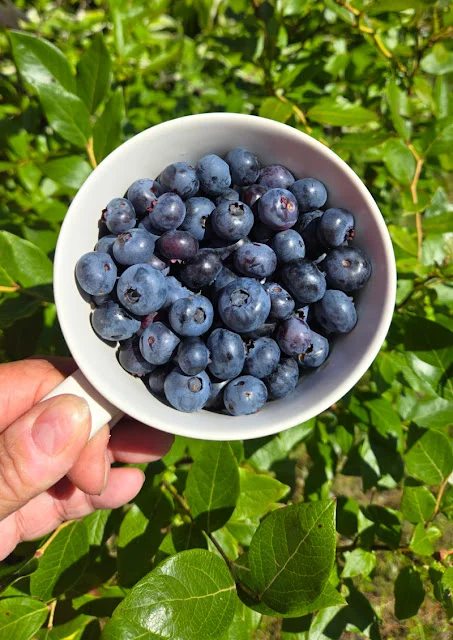
The integration of high-antioxidant fruits into avian diets has emerged as a significant point of interest for poultry scientists and backyard enthusiasts alike, with blueberries standing out as a premier "superfood" for domestic flocks. While chickens are traditionally fed a base of grain-centric commercial feed, the supplemental inclusion of Vaccinium corymbosum (highbush blueberry) and Vaccinium angustifolium (lowbush blueberry) offers a complex matrix of vitamins, minerals, and phytonutrients that support systemic health. As the trend toward sustainable, small-scale egg production continues to expand across North America and Europe, understanding the specific physiological benefits of these berries has become essential for optimizing flock longevity and productivity.
The Physiological Advantages of Blueberry Consumption in Avian Species
Blueberries are characterized by their high concentrations of anthocyanins, the pigments responsible for their deep blue and purple hues. In poultry, these compounds serve as potent antioxidants that neutralize free radicals, thereby reducing oxidative stress. Oxidative stress is a critical factor in avian health, often exacerbated by environmental stressors such as extreme heat, molting, or high egg production rates. By mitigating cellular damage, the antioxidants in blueberries support the chicken’s immune system, allowing the birds to better resist common pathogens and environmental challenges.

Beyond antioxidants, blueberries provide a robust profile of essential vitamins. Vitamin K is particularly vital for chickens as it plays a central role in blood coagulation and bone mineralization. Given that laying hens mobilize significant amounts of calcium from their skeletal structure to produce eggshells, the bone-supporting properties of Vitamin K are of paramount importance. Furthermore, the presence of Vitamin C, while synthesized naturally by chickens, provides additional support during periods of heat stress, which can otherwise lead to decreased egg quality and increased mortality rates.
Nutritional Breakdown and Metabolic Impact
The nutritional density of blueberries extends to their mineral content, specifically manganese and potassium. Manganese is a cofactor for several enzymes involved in the metabolism of carbohydrates, proteins, and cholesterol. In poultry, a deficiency in manganese can lead to perosis (a leg deformity) and poor shell quality. Potassium, an essential electrolyte, is crucial for maintaining fluid balance and nerve function.
One of the most significant discoveries in recent avian nutritional studies is the role of blueberries as a prebiotic. The fibrous skin and pulp of the berry contain non-digestible carbohydrates that serve as a substrate for beneficial gut bacteria, such as Lactobacillus. A healthy gut microbiome is the cornerstone of avian health, as it enhances nutrient absorption and provides a competitive barrier against harmful bacteria like Salmonella and E. coli. This "gut-priming" effect ensures that the primary feed consumed by the bird is processed with maximum efficiency.

Safety Protocols and the "Ten Percent Rule"
Despite the overwhelming benefits, the introduction of blueberries into a poultry diet must be managed with precision. Agricultural experts and avian veterinarians emphasize the "Ten Percent Rule," which dictates that treats and supplements should never exceed 10% of a chicken’s total daily caloric intake. For the average laying hen, this translates to approximately one to two tablespoons of supplemental food per day.
The rationale behind this limitation is rooted in the necessity of a balanced diet. Commercial poultry feeds are scientifically formulated to provide the exact ratio of protein, calcium, and amino acids required for egg production and feather growth. Over-supplementation with fruits, even nutrient-dense ones like blueberries, can dilute these essential nutrients, leading to protein deficiencies or obesity.
Furthermore, physical safety is a consideration, particularly for smaller breeds or young pullets. While adult chickens are generally adept at breaking down soft fruits with their beaks, large cultivated blueberries can occasionally pose a choking hazard. In these instances, halving or mashing the berries is recommended to ensure safe ingestion.

Comparative Analysis of Blueberry Varieties in Poultry Foraging
The distinction between native lowbush blueberries and cultivated highbush varieties is relevant to the nutritional outcomes for the flock. Native lowbush blueberries, common in regions like Maine and Eastern Canada, are often smaller but possess a higher concentration of anthocyanins per gram than their larger, cultivated counterparts.
On farms where both varieties are grown, chickens frequently demonstrate a preference for the sweeter, juicier cultivated berries, yet the nutritional value of the wild varieties provides a more concentrated dose of phytonutrients. From a management perspective, allowing chickens to forage in spent blueberry barrens post-harvest provides a dual benefit: the birds receive nutritional supplementation while simultaneously providing pest control by consuming larvae and insects that overwinter in the soil.
Historical Context and the Evolution of Poultry Dietetics
The practice of feeding fruit to chickens is not a modern invention but rather a return to traditional animal husbandry. Historically, farm flocks were allowed to range freely, consuming a diverse diet of fallen fruit, seeds, and insects. However, the mid-20th century saw a shift toward intensive, confined poultry operations where diets were strictly controlled and standardized for maximum growth velocity.

The current resurgence in backyard chicken keeping has brought about a "holistic" era of poultry management. Owners are increasingly viewing their birds not just as livestock, but as part of a micro-ecosystem. This shift has prompted a re-examination of how natural supplements like blueberries can replace synthetic additives in supporting immune health and egg pigmentation. The carotenoids and pigments in blueberries can subtly influence the vibrancy of the yolk, a trait often associated with high-quality, farm-fresh eggs.
Broader Implications for Sustainable Agriculture and Egg Quality
The implications of incorporating blueberries into poultry diets extend beyond the individual health of the bird. There is a growing consumer demand for eggs from "enriched" diets. Research suggests that when chickens consume diets high in antioxidants, some of these beneficial compounds can be transferred to the eggs, potentially increasing the nutritional value for human consumption.
Additionally, the use of blueberries as a dietary supplement aligns with the principles of regenerative agriculture. By utilizing "seconds" or overripe berries that are unsuitable for retail sale, farmers can reduce food waste while lowering their feed costs. This circular approach to farm management enhances the sustainability of the operation.

Expert Consensus and Future Research Directions
Agricultural extension offices and poultry scientists generally agree that blueberries are among the safest and most beneficial treats available for domestic fowl. Dr. Aris S. Retzios, an expert in avian nutrition, notes that "the inclusion of varied phytonutrients in the avian diet mimics the natural foraging behavior of the species’ wild ancestors, leading to more resilient physiological systems."
Future research is expected to delve deeper into the specific impacts of blueberry consumption on the "blood-brain barrier" in poultry. Preliminary data suggests that the neuroprotective properties of blueberries may help reduce aggressive behaviors and feather pecking within flocks by supporting cognitive function and reducing stress-induced inflammation.
Chronology of Dietary Integration
- Initial Introduction (Weeks 4-6): Young chicks may be introduced to small amounts of mashed blueberries to encourage a diverse palate and prime the digestive system with prebiotics.
- Productive Phase (6 Months – 2 Years): During peak egg production, blueberries serve as a critical source of Vitamin K and antioxidants to maintain bone density and mitigate the metabolic strain of daily laying.
- Molting Period (Seasonal): As birds lose and regrow feathers, the manganese and vitamins in blueberries support the high-protein demand of feather synthesis.
- Geriatric Care (3 Years+): For older hens, the cognitive and anti-inflammatory benefits of blueberries assist in maintaining mobility and mental alertness.
Conclusion: A Strategic Component of Avian Husbandry
In summary, the blueberry is far more than a simple treat; it is a strategic nutritional tool that addresses several key aspects of avian physiology. From the cardiovascular protection offered by anthocyanins to the digestive support provided by prebiotics, these berries contribute to a comprehensive health regimen. As the backyard poultry movement continues to mature, the focus on such "superfoods" will likely become a standard component of responsible flock management. By adhering to the 10% rule and ensuring proper preparation, poultry keepers can significantly enhance the quality of life for their birds while reaping the rewards of healthier, more vibrant egg production.
