
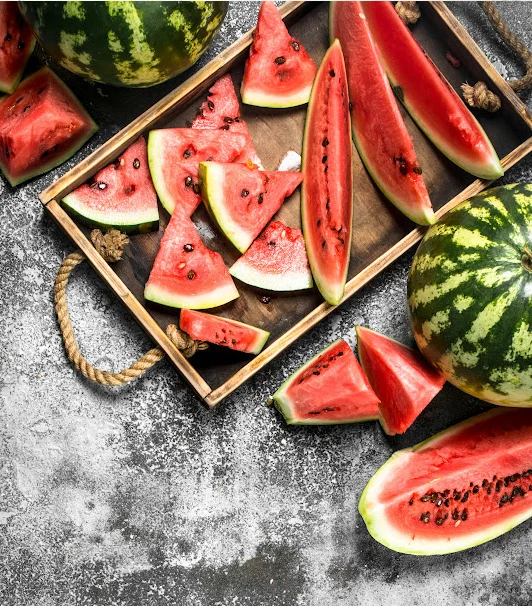
The Essential Guide to Watermelon as a Nutritional Supplement and Hydration Strategy for Backyard Poultry Management serves as a comprehensive analysis of the role that seasonal fruits play in the maintenance and health of domestic chicken flocks during periods of extreme thermal stress. As global temperatures continue to fluctuate, the management of backyard poultry has transitioned from a casual hobby into a precise science, requiring owners to implement sophisticated nutritional strategies to ensure animal welfare and optimal egg production. Watermelon, scientifically known as Citrullus lanatus, has emerged as a primary tool for poultry keepers, offering a unique combination of high water content, essential vitamins, and bioactive compounds that support the physiological needs of avian species during the summer months.
The Physiological Impact of Heat Stress on Poultry
To understand the importance of watermelon in a chicken’s diet, one must first examine the biological vulnerabilities of the Gallus gallus domesticus. Unlike mammals, chickens do not possess sweat glands. They rely on respiratory evaporation, or panting, and the radiation of heat through their combs and wattles to regulate their internal body temperature. When ambient temperatures exceed 85 degrees Fahrenheit (29 degrees Celsius), chickens begin to experience heat stress, which can lead to a decrease in feed intake, reduced egg shell quality, and, in severe cases, mortality.
The introduction of watermelon into the diet provides an immediate intervention for dehydration. Composed of approximately 92% water, the fruit acts as a palatable delivery system for fluids. This is particularly critical because chickens often lose their appetite during heatwaves, but their drive for hydration remains high. By consuming watermelon, birds are able to maintain their electrolyte balance, which is frequently disrupted when they pant excessively and lose carbon dioxide, leading to a condition known as respiratory alkalosis.
Nutritional Profile and Avian Health Benefits
While the hydration benefits of watermelon are well-documented, its nutritional density provides secondary advantages that support long-term flock health. The fruit contains a robust profile of vitamins and minerals that are essential for the metabolic functions of laying hens and roosters alike.
.jpg)
Vitamin A and Respiratory Integrity
Watermelon is a significant source of Vitamin A, which is vital for the maintenance of epithelial tissues. In poultry, these tissues line the respiratory and digestive tracts, serving as the first line of defense against pathogens. During the summer, when dust and heat can irritate the respiratory system, adequate Vitamin A intake ensures that the mucous membranes remain healthy and functional.
The Antioxidant Power of Lycopene
Watermelon contains higher concentrations of lycopene than any other fresh fruit or vegetable, including tomatoes. Lycopene is a powerful antioxidant that neutralizes free radicals produced during periods of metabolic stress. In poultry, oxidative stress can damage cellular structures and weaken the immune system. By providing a source of lycopene, poultry keepers help their birds mitigate the internal "wear and tear" caused by high environmental temperatures.
Vitamin C and Stress Mitigation
Although chickens can synthesize their own Vitamin C, their internal production often fails to meet the demand during periods of extreme heat or illness. Supplemental Vitamin C from watermelon helps to suppress the production of corticosterone, a stress hormone. Lowering stress levels is essential for maintaining consistent egg production and preventing behavioral issues such as feather pecking or egg eating within the coop.
Enhancement of Egg Quality and Yolk Pigmentation
One of the most observable impacts of watermelon consumption in a laying flock is the change in egg quality. The fruit is rich in carotenoids, the organic pigments responsible for the bright colors found in many plants. When chickens ingest these carotenoids, the pigments are deposited into the yolk of the egg.
Consumers and backyard enthusiasts often associate a deep orange yolk with high nutritional value and flock health. Carotenoids such as beta-carotene and lutein, found in watermelon, directly contribute to this vibrant coloration. Furthermore, the presence of magnesium and potassium in the fruit supports the metabolic processes required for eggshell formation, ensuring that shells remain strong even when the bird’s calcium metabolism is stressed by heat.
.jpg)
Natural Antiparasitic Properties: The Role of Cucurbitacin
An area of increasing interest in the poultry community is the use of natural substances to manage internal parasites. Watermelon, like other members of the Cucurbitaceae family (including pumpkins and cucumbers), contains a biochemical compound known as cucurbitacin.
Historically, "old-timer" farming methods utilized the seeds and pulp of melons as a natural dewormer. While modern veterinary medicine should be the primary recourse for severe infestations, the regular inclusion of watermelon in a flock’s diet is thought to create an inhospitable environment for intestinal worms. The seeds, in particular, contain high concentrations of these compounds and are safe for chickens to consume, providing both a mechanical and chemical deterrent to parasitic loads.
Chronology of Summer Care and Dietary Evolution
The practice of feeding watermelon to poultry has evolved from a simple method of waste reduction to a calculated management practice.
- Pre-1950s: Small-scale farmers utilized kitchen scraps, including melon rinds, as a way to reduce feed costs. The nutritional benefits were understood intuitively but not scientifically quantified.
- 1980s-2000s: The rise of industrial poultry farming led to a focus on standardized pellet diets. Supplemental feeding was often discouraged in favor of "complete" feeds.
- 2010-Present: The resurgence of backyard chicken keeping and the "farm-to-table" movement sparked a renewed interest in natural supplements. Scientific studies began to validate the benefits of antioxidants and phytochemicals in avian diets.
- Current Trends: Modern keepers now use watermelon not just as a treat, but as a strategic tool. This includes the creation of "watermelon slushies" (frozen blended melon) and "hanging melons" (whole melons hung from a string) to provide both hydration and environmental enrichment.
Implementation Strategies for Poultry Owners
To maximize the benefits of watermelon while maintaining a balanced diet, experts recommend following specific delivery protocols.
The 10 Percent Rule
While watermelon is beneficial, it should not replace a high-quality layer feed. Poultry nutritionists suggest that treats and supplements should constitute no more than 10% of a chicken’s total daily caloric intake. This ensures that the birds still receive the necessary protein and calcium levels required for egg production.

Serving Methods
The versatility of watermelon allows for various serving methods:
- Halved Melons: Cutting a melon in half and placing it in the run allows the birds to peck at the flesh, seeds, and rind. This encourages natural foraging behavior.
- Rind Consumption: Chickens can and will eat the green rind of the watermelon. It provides extra fiber and minerals, though it may take them longer to consume than the soft flesh.
- Frozen Treats: During peak heat (above 95 degrees), freezing watermelon chunks or blending them into a slushy can provide an immediate cooling effect on the bird’s core temperature.
Environmental and Economic Implications
The use of watermelon in poultry management also aligns with broader goals of sustainable agriculture. In many regions, "ugly" fruit—produce that is perfectly edible but aesthetically unappealing for grocery store shelves—is discarded. By diverting this produce to local poultry flocks, keepers contribute to a circular food economy and reduce methane emissions from landfills.
Economically, supplemental feeding with watermelon can slightly reduce the reliance on commercial grain during the summer months. For the small-scale producer, this translates to a modest reduction in overhead costs while simultaneously improving the marketability of their eggs due to enhanced yolk color and perceived animal welfare standards.
Analysis of Broader Impacts on Avian Welfare
The integration of watermelon into the poultry diet represents a shift toward more holistic animal husbandry. By addressing the physical need for hydration and the psychological need for enrichment, keepers are able to foster a more resilient flock.
Scientific analysis suggests that flocks provided with high-moisture, nutrient-dense treats show lower levels of aggression and higher overall activity levels during the summer. This suggests that the benefits of watermelon extend beyond simple nutrition; the fruit acts as a form of occupational therapy for birds confined to a coop or run, breaking the monotony of their environment and encouraging social interaction.

In conclusion, watermelon is far more than a seasonal treat for chickens; it is a vital component of a modern heat-management strategy. Through its high water content, rich antioxidant profile, and potential antiparasitic properties, it supports the physiological and psychological health of the birds. As backyard poultry keeping continues to grow in popularity, the strategic use of such natural supplements will remain a cornerstone of responsible and effective flock management.
