
The cyclical nature of backyard poultry farming presents a recurring logistical challenge for small-scale producers: the dramatic fluctuation between summer surpluses and winter scarcities. As daylight hours extend during the spring and summer months, domestic hens reach their peak reproductive output, often leaving keepers with a significant excess of fresh eggs. Conversely, as the winter solstice approaches and natural light diminishes, the biological systems of poultry transition into a period of rest or molting, resulting in a sharp decline or total cessation of egg production. This "feast or famine" phenomenon creates a supply-demand imbalance, particularly during the winter holiday season when the culinary demand for eggs in baking and traditional recipes is at its annual zenith. To mitigate this discrepancy, agricultural experts and experienced poultry keepers, such as Lisa Steele, a fifth-generation chicken-keeping authority and founder of Fresh Eggs Daily, advocate for the strategic freezing of surplus eggs as a viable method for ensuring year-round food security and waste reduction.
Understanding the Biological Cycle of Avian Production
To comprehend the necessity of egg preservation, one must first examine the physiological mechanisms of the domestic hen (Gallus gallus domesticus). Egg production is heavily regulated by photoperiodism—the physiological reaction of organisms to the length of night or a dark period. A hen typically requires 14 to 16 hours of light to stimulate the pituitary gland, which in turn releases the hormones necessary for ovulation.
During the peak of summer, when daylight is most abundant, a high-producing breed may lay an egg nearly every day. However, as autumn progresses and daylight drops below the 12-hour threshold, the hen’s body receives a signal to divert energy away from reproduction. This period often coincides with "molting," an annual process where chickens shed their old feathers and grow new ones. Because feathers are composed of approximately 90% protein, the bird’s nutritional resources are prioritized for feather regeneration rather than egg production. Consequently, the backyard producer who enjoyed a surplus in July often finds their nesting boxes empty by December.
The Technical Methodology of Egg Cryopreservation
While many perishable food items can be placed directly into cold storage, eggs require specific preparation to maintain their structural and culinary integrity. The primary constraint in freezing eggs is the physical property of the egg’s water content. When liquid freezes, it expands; if an egg is frozen within its shell, the internal pressure will inevitably cause the calcium carbonate structure to crack, exposing the contents to potential bacterial contamination and freezer burn.

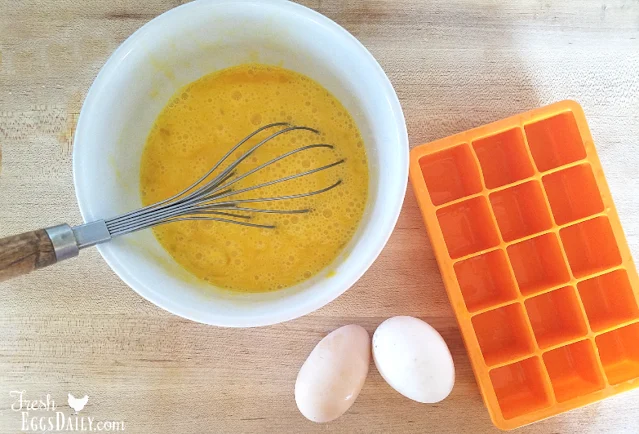
According to technical guidelines established by food preservation experts, the process must begin with the removal of the shell. The contents should be gently whisked to integrate the yolk and the white (albumen) without incorporating excessive air, which can lead to a rubbery texture upon defrosting. A critical component of this process is the addition of a stabilizer. When egg yolks are frozen, they undergo a gelation process where the proteins aggregate, resulting in a thick, "grainy" or paste-like consistency that does not easily return to a liquid state.
To counteract this, producers add a small quantity of salt or sugar depending on the intended future use of the eggs. For general culinary applications, such as scrambled eggs or omelets, a pinch of salt per cup of eggs is recommended. For eggs destined for confectionery or baking use, a small amount of honey or sugar can be used. This chemical intervention interferes with the protein cross-linking, ensuring that the defrosted product retains a viscosity similar to that of a fresh egg.
Chronology of the Annual Poultry and Preservation Cycle
The management of a sustainable egg supply follows a distinct chronological pattern tied to the temperate seasons:
- Spring (March – May): Production begins to ramp up. This is the period for flock replenishment and the integration of new pullets.
- Early Summer (June – July): Peak production occurs. This is the primary window for preservation. Surplus eggs are collected, processed, and moved into long-term freezer storage.
- Late Summer/Early Autumn (August – September): As production starts to dip slightly, the focus shifts to ensuring hens have adequate protein for the upcoming molt.
- Late Autumn (October – November): Molting typically begins. Egg production drops significantly. Producers begin to transition from using fresh eggs to utilizing their frozen reserves.
- Winter (December – February): Production is at its lowest. The frozen inventory becomes the primary source for winter baking and daily consumption, bridging the gap until the spring thaw.
Economic and Sustainability Implications
The practice of freezing eggs is not merely a matter of convenience; it carries significant economic and environmental weight. In recent years, the commercial egg market has been characterized by extreme volatility. Factors such as the 2022-2023 Highly Pathogenic Avian Influenza (HPAI) outbreaks in North America and rising grain costs have led to record-high retail prices. By preserving their own surplus, backyard keepers insulate themselves from market fluctuations and supply chain disruptions.
From a sustainability perspective, freezing eggs reduces food waste. In the absence of a preservation strategy, summer surpluses often go to waste if the producer cannot consume or sell them quickly enough. Furthermore, utilizing home-grown frozen eggs reduces the "food miles" associated with purchasing commercially produced eggs during the winter months, which are often transported long distances from industrial facilities that use artificial lighting to maintain year-round production.

Expert Perspectives and Industry Reactions
The methodology championed by Lisa Steele reflects a broader trend toward "old-timers’ methods"—traditional agricultural practices that emphasize self-sufficiency and natural cycles. Steele, the author of six books on poultry management and host of "Welcome to My Farm" on CreateTV, emphasizes that these methods are time-tested and well-researched.
Industry analysts note that the rise of the "homesteading" movement has increased the demand for this type of specialized knowledge. As more households move toward small-scale food production, the need for effective storage solutions becomes paramount. Culinary professionals have also weighed in, noting that while frozen eggs are not suitable for recipes requiring structural separation (like meringues or soufflés), they are virtually indistinguishable from fresh eggs in baked goods, quiches, and standard breakfast preparations.
Safety Standards and Final Analysis
For successful implementation, food safety protocols must be strictly observed. Frozen eggs should be stored in airtight containers or heavy-duty freezer bags to prevent oxidation and the absorption of freezer odors. Labels should clearly indicate the date of freezing and whether salt or sugar was added as a stabilizer. According to USDA guidelines, frozen egg products can be kept for up to one year, though for optimal quality, consumption within four to six months is recommended.
The transition from a consumer-only model to a producer-preserver model represents a significant shift in household food management. By understanding the biological rhythms of their flocks and applying scientific preservation techniques, backyard poultry keepers can effectively "stop time," capturing the abundance of the summer sun and storing it in a frozen state for the cold, dark months of winter. This strategic approach not only honors the natural cycle of the animals but also provides a robust framework for household resilience in an increasingly unpredictable global food economy.
In conclusion, the freezing of leftover eggs is an essential skill for the modern poultry enthusiast. It transforms a seasonal surplus into a year-round asset, ensuring that the "feast" of summer provides a buffer against the "famine" of winter. As advocates like Lisa Steele continue to bridge the gap between traditional wisdom and modern application, the practice of egg preservation stands as a cornerstone of sustainable, small-scale agriculture.
