
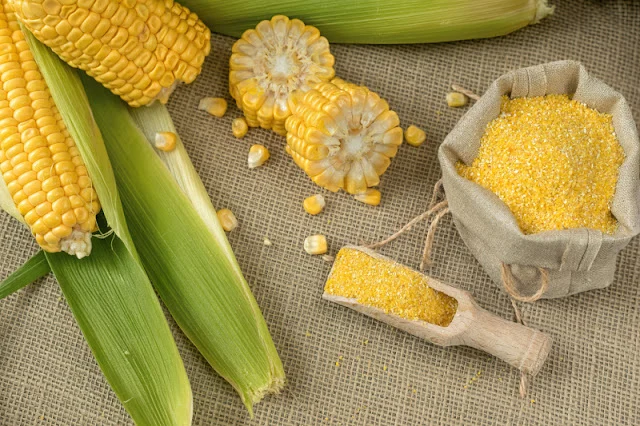
The practice of feeding corn to backyard chickens has evolved into a significant point of discussion among poultry enthusiasts and agricultural experts, balancing traditional farming wisdom against modern nutritional science. While corn remains a staple ingredient in global poultry feed, its application in small-scale flocks requires a nuanced understanding of avian metabolism, seasonal environmental shifts, and the specific physiological needs of different bird breeds. The central controversy often revolves around the metabolic heat generated during the digestion of dried grains, leading to a long-standing debate regarding whether corn is a suitable supplement during the peak of summer heatwaves or if it should be reserved exclusively for the colder winter months.
The Metabolic Mechanics of Corn Digestion in Avian Species
To understand the impact of corn on a chicken’s body, one must first examine the avian digestive process. Chickens possess a unique digestive tract that includes the crop, a storage pouch at the base of the esophagus, and the gizzard, a muscular organ that grinds food. When a chicken consumes hard, dried grains such as whole or cracked corn, the material resides in the crop before moving to the gizzard. The mechanical breakdown of these complex carbohydrates and fibers requires significant muscular effort and enzymatic activity.

This process triggers diet-induced thermogenesis. As the bird’s body works to process the dense energy found in dried corn, it generates internal heat. In the context of a cold winter night, this metabolic heat serves as a biological space heater, helping the bird maintain its core body temperature of approximately 105 to 107 degrees Fahrenheit. Conversely, during periods of extreme environmental heat, this additional internal caloric burn can contribute to heat stress, a condition that can lead to reduced egg production, respiratory distress, and in severe cases, mortality.
A Chronology of Corn in Poultry Husbandry
The history of corn in poultry diets is as old as the domestication of the birds in the Americas. Traditionally, farm-raised chickens were "scratched" with whatever grains were available, with corn being the most abundant and cost-effective energy source.
- The Early 20th Century: Most poultry feed consisted of simple grain mixes. Corn was prized for its ability to put weight on meat birds and provide the yellow pigment (xanthophylls) that consumers preferred in egg yolks and skin.
- The 1950s-1970s: The rise of industrial poultry farming led to the development of "complete feeds." Scientists began to realize that while corn was high in energy, it lacked sufficient protein (averaging only 7-9%) and essential amino acids like lysine and methionine.
- The Modern Era: The "Backyard Chicken Movement" of the 21st century brought a resurgence in supplemental feeding. This led to the popularization of "scratch grains"—a mixture usually dominated by cracked corn and wheat—designed not as a primary food source, but as a behavioral enrichment and a winter energy supplement.
Nutritional Profile and Chemical Composition of Maize
Corn is more than just a source of carbohydrates; it contains a variety of micronutrients that contribute to the overall health of a flock. When analyzed in a laboratory setting, standard yellow dent corn provides a specific array of vitamins and minerals essential for avian vitality.

- Antioxidants: Corn is rich in carotenoids, specifically lutein and zeaxanthin. These compounds are vital for eye health and are the primary reason for the deep orange color found in the yolks of pastured hens.
- Vitamins: It contains Vitamin B6 (pyridoxine), which is essential for amino acid metabolism, and Vitamin C, which supports the immune system. It also provides niacin (B3), which is critical for preventing leg deformities in ducks and geese.
- Minerals: Significant levels of magnesium, phosphorus, and potassium support bone density and electrolyte balance.
- Fiber and Energy: As a complex carbohydrate, corn provides sustained energy release, making it an ideal "bedtime snack" for birds facing sub-zero temperatures.
Seasonal Feeding Strategies: Winter vs. Summer Protocols
The consensus among avian nutritionists suggests that the form of the corn and the timing of the feeding are the most critical factors in maintaining flock health throughout the year.
The Winter Strategy: Dried and Cracked Corn
During the winter months, the primary challenge for a chicken is caloric maintenance. A bird may use up to 70-80% of its caloric intake simply to stay warm. Feeding dried, cracked, or whole corn in the late afternoon ensures that the bird’s gizzard is active during the night. This slow-burn energy source provides a steady stream of heat during the coldest hours of the 24-hour cycle.
The Summer Strategy: Fresh and Frozen Variants
In contrast, the summer months require a shift toward hydration and cooling. While the "heating" effect of dried corn makes it less ideal during a heatwave, fresh corn from the garden offers a different nutritional profile. Fresh corn has a much higher water content and is less taxing on the digestive system.

- Frozen Corn: Many keepers provide frozen corn kernels as a "cooling treat" to lower the birds’ core temperature.
- On the Cob: Hanging a fresh corn cob in the coop provides mental stimulation, preventing "boredom picking" among the flock while offering vitamins without the intense thermogenic effect of dried grain.
The Overlooked Benefits of Corn Byproducts: Husks and Silks
In a zero-waste agricultural model, the entirety of the corn plant can be utilized. Recent studies into avian health have highlighted the specific benefits of corn silk and husks, which are often discarded by human consumers.
Corn silk, the long thread-like fibers found under the husk, is a powerhouse of Vitamin K. This vitamin is essential for prothrombin production, a process necessary for blood clotting. For ducks and geese, which may be more prone to minor injuries while foraging, adequate Vitamin K intake is a critical safety net. Furthermore, corn silk contains phenolic compounds that act as anti-inflammatories, potentially aiding older hens with joint issues or arthritis.
The husks, while high in cellulose, provide insoluble fiber. While chickens cannot digest large amounts of cellulose, picking at the husks provides environmental enrichment and a small amount of roughage that aids in moving food through the digestive tract.

Health Risks and Expert Analysis of Overconsumption
Despite its benefits, corn is often referred to by veterinarians as "chicken candy" due to its high sugar and starch content. Agricultural experts warn that corn should never exceed 10% of a chicken’s total daily diet.
Obesity and Fatty Liver Syndrome
Overfeeding corn, especially to sedentary backyard flocks, can lead to avian obesity. In laying hens, this often manifests as Fatty Liver Hemorrhagic Syndrome (FLHS). Excess fat is stored in the liver, making the organ friable and prone to rupture. This is a leading cause of sudden death in backyard poultry.
Nutritional Imbalance
If a bird fills up on corn, it will consume less of its nutritionally balanced layer pellets. This can lead to a deficiency in calcium and protein, resulting in soft-shelled eggs, feather picking, and a decrease in the bird’s natural immune response.

Expert Reactions and Industry Standards
Dr. Harrison Miller, a veterinary consultant specializing in avian health, notes that the "corn in summer" debate is often oversimplified. "The issue isn’t that corn is inherently dangerous in the heat," Miller states. "The issue is the caloric density. If a bird is already struggling with heat stress, adding a high-energy, thermogenic grain like dried corn can push their metabolic rate to a dangerous level. We recommend shifting to high-moisture vegetables like cucumbers or watermelon during temperatures exceeding 90 degrees Fahrenheit."
Similarly, commercial feed manufacturers have responded to these concerns by adjusting the corn-to-soybean ratios in "summer" versus "winter" blends in certain regions, ensuring that birds receive the energy they need without the risk of overheating.
Broader Impact and Implications for Sustainable Poultry Keeping
The strategic use of corn in poultry management reflects a broader trend toward more sophisticated, data-driven backyard farming. As global climate patterns shift, resulting in more frequent and intense heatwaves, the ability of poultry keepers to adapt their feeding schedules is becoming a vital skill.

Furthermore, the utilization of garden-grown corn and its byproducts (husks and silks) aligns with sustainable "circular economy" practices on small farms. By understanding the science behind the grain, keepers can reduce waste, save on commercial feed costs, and improve the welfare of their animals.
In conclusion, corn is neither a universal "superfood" nor a seasonal "poison." It is a versatile tool in the poultry keeper’s arsenal. When used judiciously—dried in the winter for warmth and fresh in the summer for nutrition—it supports a robust, healthy, and productive flock. The key remains moderation and a keen observation of the flock’s reaction to environmental stressors, ensuring that the birds remain comfortable and well-nourished regardless of the thermometer’s reading.
