
Published on: April 13, 2026
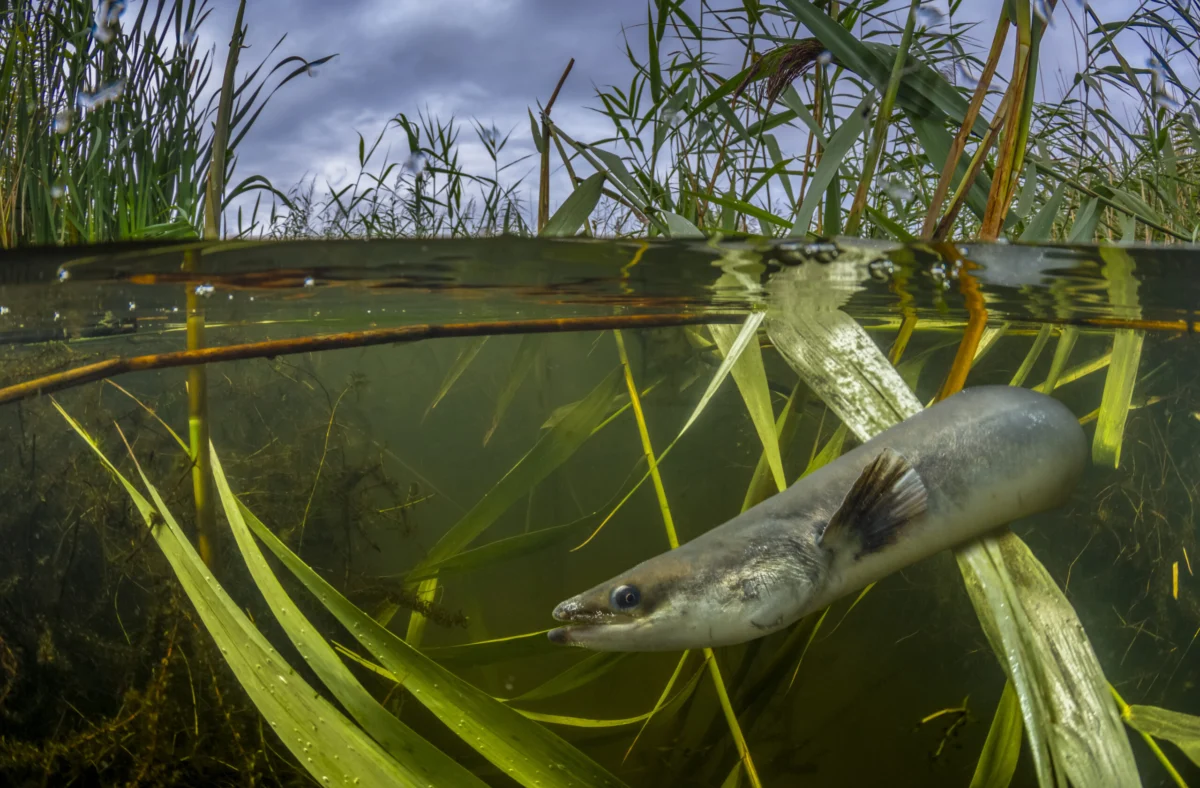
A landmark assessment of Europe’s freshwater fish populations, the most comprehensive in 15 years, paints a dire picture of aquatic biodiversity, revealing little evidence of species recovery and sounding an urgent call for intensified conservation efforts. The updated European Red List of Freshwater Fishes, released today, highlights that nearly six in ten native European freshwater fish species are now of elevated conservation concern, with a staggering 42% facing the imminent threat of extinction. An additional 18% are classified as Near Threatened, indicating a precarious future for these vital aquatic inhabitants.
This critical evaluation, conducted by the International Union for Conservation of Nature (IUCN), meticulously assessed all 558 native freshwater fish species across the continent. The findings represent a significant deterioration in the conservation status of these species since the last assessment in 2011, when the proportion of threatened species stood at a concerning but lower level. The report underscores a pervasive lack of recovery across the region, indicating that past conservation initiatives have been insufficient to reverse the prevailing trends of decline.
"These statistics provide a sobering reminder that all is not well with Europe’s freshwater fishes – and its wetlands," stated Kathy Hughes, Biodiversity Lead at Wetlands International and co-chair of the IUCN Freshwater Fish Specialist Group. "The assessment found that Europe’s freshwater fishes are significantly more threatened than those in other regions – with 42% at risk of extinction. If Europe’s freshwater wetlands are not healthy enough for fishes, they are not healthy enough for our societies and economies to flourish."
Freshwater fish, as the most diverse vertebrate group on Earth, serve as crucial bioindicators of ecosystem health. Their declining status is a clear signal of broader environmental degradation within Europe’s rivers, lakes, and wetlands. Without immediate, coordinated, and robust action to address the multifaceted drivers of decline, Europe risks a substantial loss of its unique aquatic biodiversity within a single generation. The report warns that the current trajectory, if unaddressed, could lead to irreversible ecological damage and significant economic repercussions.
A Comprehensive and Collaborative Assessment
The European Red List of Freshwater Fishes is the culmination of an extensive collaborative effort involving over 135 experts from more than 30 countries. This rigorous, science-based assessment provides a scientifically sound evaluation of extinction risk, forming a crucial foundation for evidence-based conservation strategies. The report meticulously details the status of each species, categorizing them according to IUCN Red List criteria, which range from Least Concern to Critically Endangered, Extinct in the Wild, and Extinct.
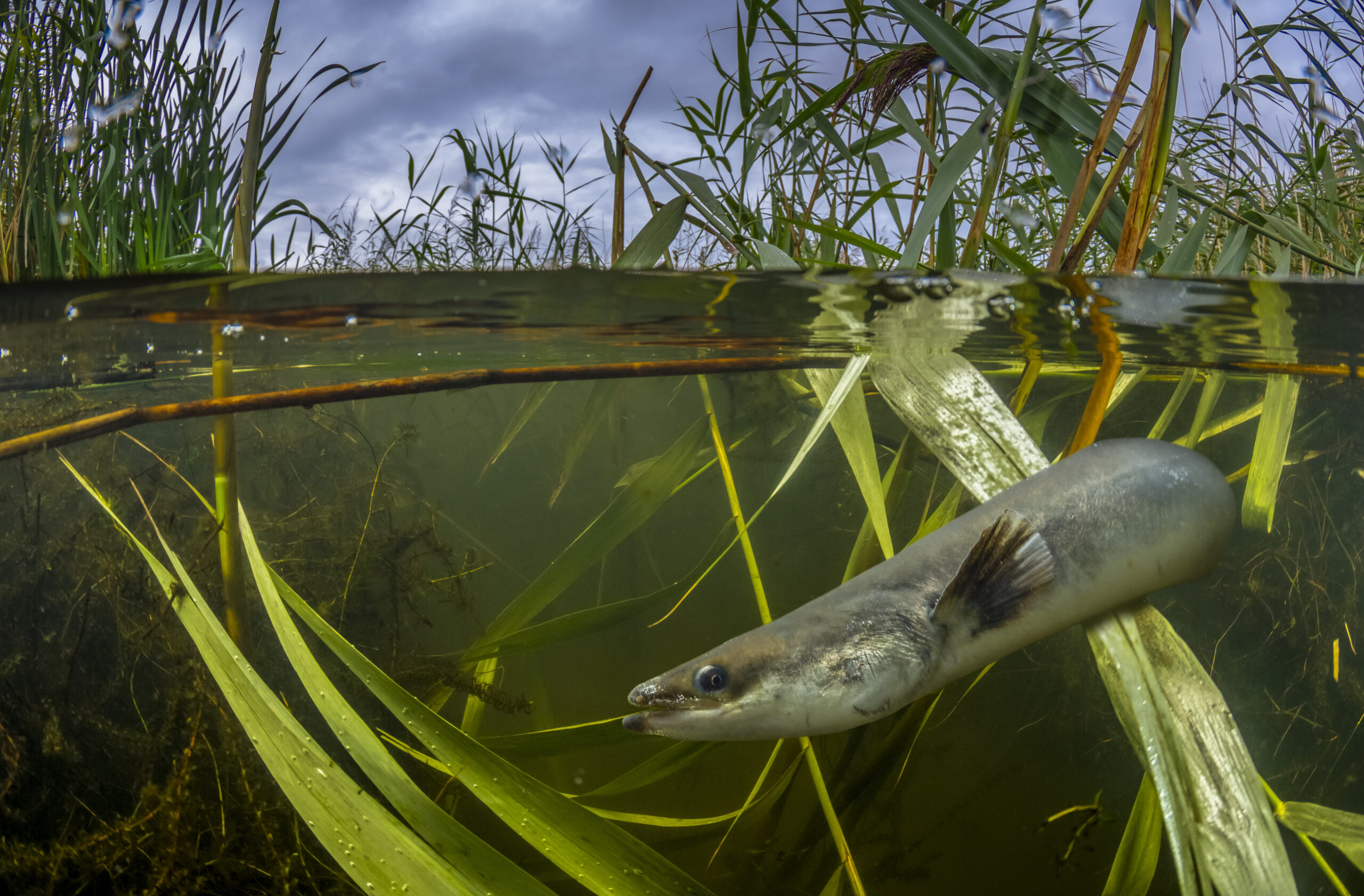
The data presented in the report illustrates a disturbing trend: the proportion of threatened freshwater fish species has increased by 5% since the 2011 assessment. This upward trend is particularly alarming, suggesting that the pressures on these ecosystems are intensifying rather than abating. The lack of observed recovery across a broad spectrum of species underscores the urgent need for a paradigm shift in how Europe manages its freshwater resources.
Migratory Species Face Acute Pressures
The report highlights particularly severe challenges faced by migratory freshwater fish species. These species undertake long and often arduous journeys between freshwater and marine environments, or between different freshwater habitats, for breeding, feeding, and other life-cycle stages. Approximately 39% of migratory freshwater fish are currently experiencing declines, a stark contrast to the 14% of non-migratory species facing similar fates. This significant disparity points directly to the devastating impact of barriers that impede fish movement.
Dams, weirs, and other artificial structures built for hydropower, navigation, or water management purposes fragment river systems, effectively isolating populations and preventing access to essential habitats. These barriers not only disrupt migration routes but also alter water flow, sediment transport, and temperature regimes, creating conditions that are increasingly unsuitable for many native fish populations. The ecological connectivity of rivers, vital for the survival of migratory species, is being severely compromised.
Pervasive Drivers of Decline
The drivers of the observed declines are multifaceted and often interconnected, creating a complex web of threats that impact freshwater fish populations across Europe.
- Habitat Modification: This remains the most pervasive threat, affecting an alarming 69% of assessed species. The construction of dams and other physical barriers, as previously mentioned, is a primary component of this threat. However, habitat modification also encompasses the alteration and degradation of riverbanks, the draining of wetlands, and the straightening of river channels for agricultural and urban development. These activities lead to a loss of spawning grounds, nursery areas, and essential refuge habitats.
- Pollution: Chemical and nutrient pollution significantly impacts over 65% of freshwater fish species. This includes agricultural runoff carrying pesticides and fertilizers, industrial discharges of heavy metals and toxic chemicals, and sewage effluent from urban areas. Pollution can directly kill fish, impair their reproduction, reduce their disease resistance, and degrade water quality, making habitats uninhabitable. Eutrophication, caused by excess nutrients, leads to algal blooms that deplete oxygen levels, creating "dead zones."
- Invasive Species: The introduction of non-native species, whether intentionally or accidentally, poses a significant threat to 56% of assessed species. Invasive species can outcompete native fish for food and habitat, prey on native species, introduce diseases, and alter ecosystem structure. These introductions are often facilitated by human activities, including the pet trade, aquaculture, and the movement of ballast water from ships.
- Climate Change: While currently affecting an estimated 35% of species, climate change is projected to become an increasingly dominant driver of decline in the coming decades, particularly in southern Europe. Rising water temperatures can stress fish, alter breeding cycles, and favor invasive species. Changes in precipitation patterns can lead to more frequent and severe droughts or floods, impacting water availability and habitat stability. Ocean acidification, although primarily a marine issue, can also affect freshwater systems through connectivity and altered chemical balances.
A Sobering Warning for Ecosystem Health
"Europe’s rivers and lakes are sending a clear warning: nearly two thirds of freshwater fishes are at risk, and many show no recovery over the past 15 years," commented Matthew Ford, lead author of the report and a member of the IUCN Freshwater Fish Specialist Group. "Strengthening data collection, research, and evidence-based management is essential to safeguard these species and the freshwater ecosystems we all rely on."
The health of freshwater fish populations is inextricably linked to the health of the entire aquatic ecosystem. Their decline signals a broader unraveling of ecological processes, impacting everything from water quality to nutrient cycling and the food webs that support other wildlife. The implications extend beyond the natural world, affecting human societies and economies that depend on healthy freshwater resources for drinking water, irrigation, fisheries, recreation, and flood control.
A Timely Resource for Policy and Action
The publication of the European Red List of Freshwater Fishes arrives at a critical juncture, as inland waters are finally receiving greater recognition within global and European biodiversity agendas. With the recent release of the European Water Resilience Strategy and ongoing efforts to implement the EU Biodiversity Strategy for 2030, the Nature Restoration Regulation, and the Kunming-Montreal Global Biodiversity Framework, this report provides indispensable scientific evidence to inform and strengthen policy.

The findings offer a robust basis for integrating biodiversity considerations more effectively into water management and restoration efforts. They serve as a vital tool for policymakers, conservationists, and stakeholders to prioritize conservation actions, allocate resources strategically, and monitor the effectiveness of interventions.
While biological indicators under the Water Framework Directive capture broad trends in fish community health at the water body level, the Red List provides a crucial species-by-species assessment. This dual approach is necessary for designing precise and impactful restoration and mitigation measures. The Red List’s assessments over time also serve as a critical long-term biodiversity indicator, allowing for the tracking of progress or decline in conservation outcomes.
Urgent Need to Strengthen Environmental Legislation
The dire findings of the Red List have prompted strong reactions from conservation organizations, emphasizing the need to bolster, not weaken, existing environmental protections.
"The rapidly deteriorating conservation status of the EU’s freshwater fish is a stark warning to the European Commission, the European Parliament, and Member States that now is not the right time to weaken Europe’s environmental legislation, most notably the Water Framework and the Habitats Directives," stated Chris Baker, Director of Wetlands International Europe.
Baker further emphasized the public sentiment on this issue: "Furthermore, surveys show that the vast majority of European citizens expect more effective actions from their elected representatives to safeguard Europe’s rivers, wetlands, and biodiversity." This sentiment underscores a growing public awareness and demand for decisive action to protect the continent’s precious freshwater heritage.
The implications of this report are profound. It signals a clear and present danger to Europe’s aquatic biodiversity and the vital ecosystem services that freshwater systems provide. The scientific consensus presented in the European Red List of Freshwater Fishes demands a swift and decisive response from policymakers, industry, and society as a whole. Failure to act decisively could result in the irretrievable loss of species and the degradation of ecosystems essential for both nature and human well-being. The next few years will be critical in determining the future of Europe’s freshwater fish and the health of its aquatic environments.
