
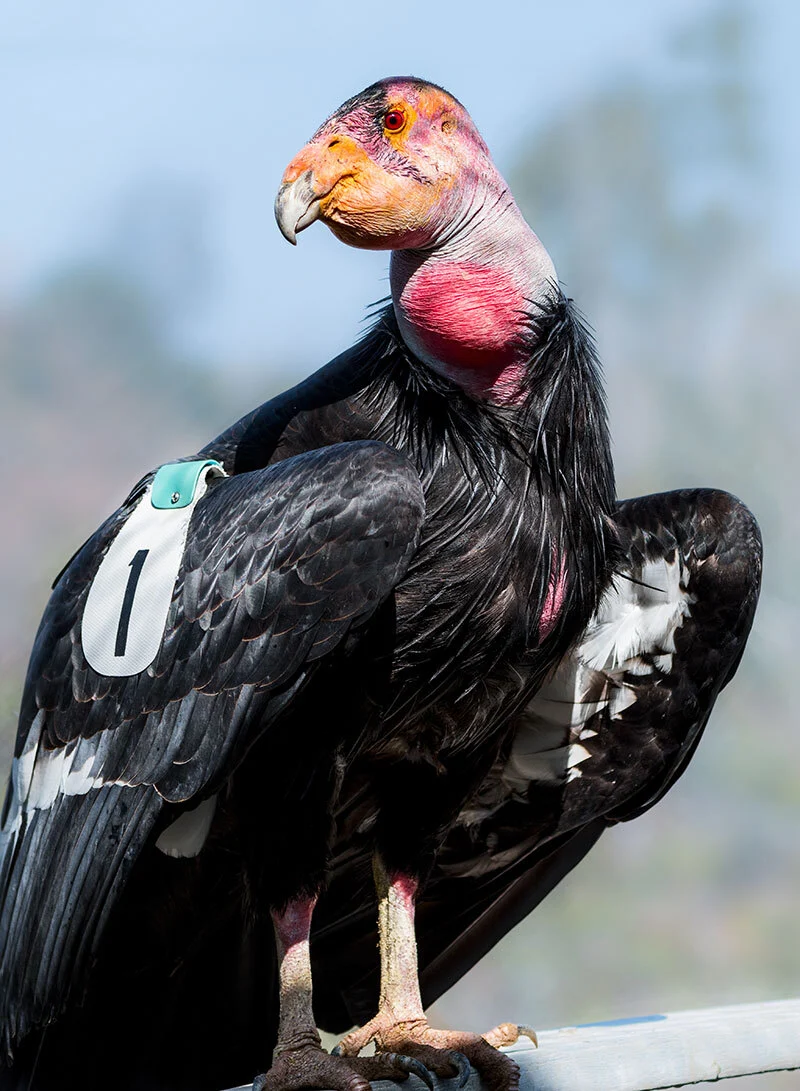
The Los Angeles Zoo is marking a profound milestone: the 60th anniversary of Topa Topa, a male California condor whose life has become inextricably linked with the remarkable recovery of his critically endangered species. More than just an individual bird, Topa Topa embodies the dedication, scientific innovation, and unwavering commitment that have pulled the California condor back from the precipice of extinction. His journey from a struggling fledgling to a cornerstone of conservation efforts serves as a powerful testament to the potential for renewal and the enduring impact of dedicated conservation programs.
A Fledgling’s Struggle and the Dawn of a New Era
Topa Topa’s story began 60 years ago, in 1964, when he was discovered as a mere 1-year-old fledgling, found in a severely weakened and malnourished state. Weighing a mere 17 pounds, a stark indication of his critical condition, he was promptly brought to the Los Angeles Zoo for intensive care. Following ten days of dedicated rehabilitation, a glimmer of hope emerged for his potential return to the wild. He was released back into his natural habitat with the expectation that he might integrate and thrive amongst the wild condor population.
However, post-release monitoring revealed a sobering reality. The young condor exhibited underdeveloped foraging skills, a vital trait typically learned from adult condors. Without the guidance and mentorship of elder birds, his prospects for independent survival in the wild were deemed extremely low. The absence of adult condors willing or able to adopt him underscored the dire straits of the species at that time. Consequently, Topa Topa was recaptured and brought back to the Los Angeles Zoo, where he was destined to become a permanent resident and, as it turned out, a pivotal figure in a groundbreaking conservation initiative. His placement at the zoo marked a significant moment, as it was the first time a California condor had ever been housed within a zoological facility, setting a precedent for future conservation strategies.
The Precipice of Extinction: A Species in Crisis
The mid-20th century was a dark period for the California condor (Gymnogyps californianus). Habitat loss due to human development, widespread use of pesticides like DDT which thinned eggshells, and direct persecution had decimated their numbers. By the early 1980s, the situation had become critically alarming. In 1982, fewer than 60 California condors remained in the wild, a number so low that the species was teetering on the brink of irreversible extinction. The gravity of this situation prompted urgent calls for intervention, leading to the development of a comprehensive recovery plan.
The California Condor Recovery Program: A Collaborative Endeavor
The year 1987 marked a turning point with the formal launch of the California Condor Recovery Program. This ambitious, multi-faceted initiative was spearheaded by federal and state wildlife agencies, in close partnership with accredited zoological institutions, including the Los Angeles Zoo and the San Diego Zoo. The program’s primary objective was audacious: to capture all remaining wild condors and bring them into managed care to establish a captive breeding population. This controversial decision, often referred to as the "all-condor capture," was a last resort, born out of the stark reality that natural reproduction rates were insufficient to counteract the ongoing decline.
At the inception of this program, only 27 California condors remained alive. This fragile population represented the last hope for the species. The chosen zoos became vital sanctuaries, providing a controlled environment where the condors could be studied, protected, and, most importantly, breed. The success of this program hinged on intensive scientific research, advanced veterinary care, and innovative breeding techniques designed to maximize reproductive success and minimize mortality rates in a captive setting.
Topa Topa’s Enduring Role: From Ambassador to Patriarch
Topa Topa, as one of the earliest permanent residents, quickly transcended his role as a rescued individual. He became an invaluable educational ambassador, providing the public with a tangible connection to the plight and majestic beauty of the California condor. His presence at the zoo offered an unparalleled opportunity for people to learn about the challenges facing the species and to foster a sense of empathy and responsibility towards their conservation.
Beyond his ambassadorial duties, Topa Topa’s most significant contribution has been his pivotal role in the breeding program. In 1993, he helped raise his first two chicks, a crucial step in demonstrating the viability of captive breeding for this species. Over the subsequent decades, Topa Topa became a cornerstone of the program, contributing to the genetic diversity and overall success of breeding efforts. His lineage has become integral to the recovery of the species, with a remarkable number of his descendants now participating in the breeding program or having been successfully reintroduced into the wild.
The conservation strategy emphasized raising chicks in a manner that preserved their natural instincts and minimized human dependency. This involved sophisticated techniques such as hand-rearing by keepers in condor costumes to reduce imprinting on humans, and fostering chicks to foster parents. Topa Topa’s participation in this process was instrumental. It took years of careful preparation and observation by zoo staff to ensure he was capable of fulfilling the role of a surrogate parent and contributing to the goal of producing birds that could thrive in the wild. His dedication and success in this capacity were foundational to the program’s ability to produce the numbers of birds required for reintroduction.
A Population Reborn: Statistics and Successes
The impact of the California Condor Recovery Program, with Topa Topa as a central figure, is nothing short of extraordinary. From a dire low of 27 birds in 1987, the population has seen a dramatic resurgence. As of recent estimates, the total California condor population, encompassing both captive and wild individuals, has surpassed 600 birds. This represents a more than twenty-fold increase, a remarkable achievement in the field of species conservation.
The Los Angeles Zoo currently houses a significant number of condors, many of whom are direct descendants of Topa Topa. Reports indicate that around 100 of his offspring and subsequent generations are actively involved in the breeding program. Furthermore, a substantial portion of these birds have been reintroduced into their ancestral ranges across California, Arizona, Utah, and Baja California, Mexico, with approximately 94 individuals currently soaring freely in the wild.
Despite this monumental progress, the California condor remains on the IUCN Red List as Critically Endangered. This designation highlights the ongoing challenges and the need for continued vigilance and conservation efforts. Factors such as lead poisoning from ammunition in carcasses, habitat fragmentation, and occasional disease outbreaks continue to pose threats to the wild population. The recovery program remains essential, adapting its strategies to address these persistent threats and ensure the long-term survival of this iconic species.
Analyzing the Implications: A Model for Conservation
Topa Topa’s 60-year journey with the Los Angeles Zoo is more than just a celebration of longevity; it is a powerful case study in the efficacy of intensive, science-driven conservation programs. His story underscores several critical implications for the broader field of wildlife preservation:
- The Vital Role of Zoos: The initial decision to house condors in zoos, though controversial at the time, proved to be a critical factor in preventing extinction. Zoos provide essential resources for captive breeding, research, and public education that are often unattainable in the wild.
- The Power of Collaboration: The success of the California Condor Recovery Program is a testament to the power of collaboration between government agencies, conservation organizations, and zoological institutions. A unified approach, pooling expertise and resources, is crucial for tackling complex conservation challenges.
- Long-Term Commitment: The recovery of the California condor has been a decades-long endeavor, requiring sustained investment, dedication, and adaptive management. Topa Topa’s 60 years of contribution exemplify the long-term commitment necessary for true species recovery.
- The Importance of Individual Impact: While the program is a collective effort, the story of Topa Topa highlights how individual animals can become central to conservation success. His genetic contributions and his role as an ambassador have had a profound and lasting impact.
- Addressing Root Causes: While captive breeding and reintroduction are vital, the continued threat of lead poisoning in the wild emphasizes the need to address the root causes of endangerment. Efforts to promote non-lead ammunition and to restore degraded habitats are crucial for ensuring the long-term viability of wild condor populations.
A Beacon of Hope for the Future
As Topa Topa celebrates his 60th birthday, the Los Angeles Zoo and its partners reflect on the immense progress made and the enduring legacy of this remarkable condor. His journey from a frail fledgling to a patriarch of a recovering species is an inspiring narrative that resonates deeply within the conservation community and beyond. Topa Topa has not only helped to stave off the extinction of his species but has also provided invaluable lessons and inspiration for future generations of conservationists. His life serves as a powerful reminder that even in the face of seemingly insurmountable challenges, dedicated effort, scientific innovation, and a commitment to preserving our planet’s biodiversity can lead to extraordinary outcomes. The skies that once held the threat of a silent future for the California condor are now beginning to echo with the majestic flight of these magnificent birds, a testament to the enduring impact of heroes like Topa Topa.
