
Since its inception in 1970, April 22nd has been globally recognized as Earth Day, a pivotal occasion dedicated to fostering appreciation and action for our planet’s well-being. This annual observance transcends borders, uniting billions across every continent in a shared commitment to environmental stewardship. While humanity bears a significant responsibility for Earth’s health, the intricate tapestry of life on our planet includes countless unsung heroes, many of which possess wings. Birds, in particular, play multifaceted and often underestimated roles in maintaining ecological balance and fostering healthy ecosystems. This Earth Day, we shine a spotlight on a few avian species whose remarkable contributions underscore their importance as vital environmental custodians, offering a deeper understanding of their profound impact on the natural world.
Hummingbirds: Miniature Pollinators with Monumental Influence
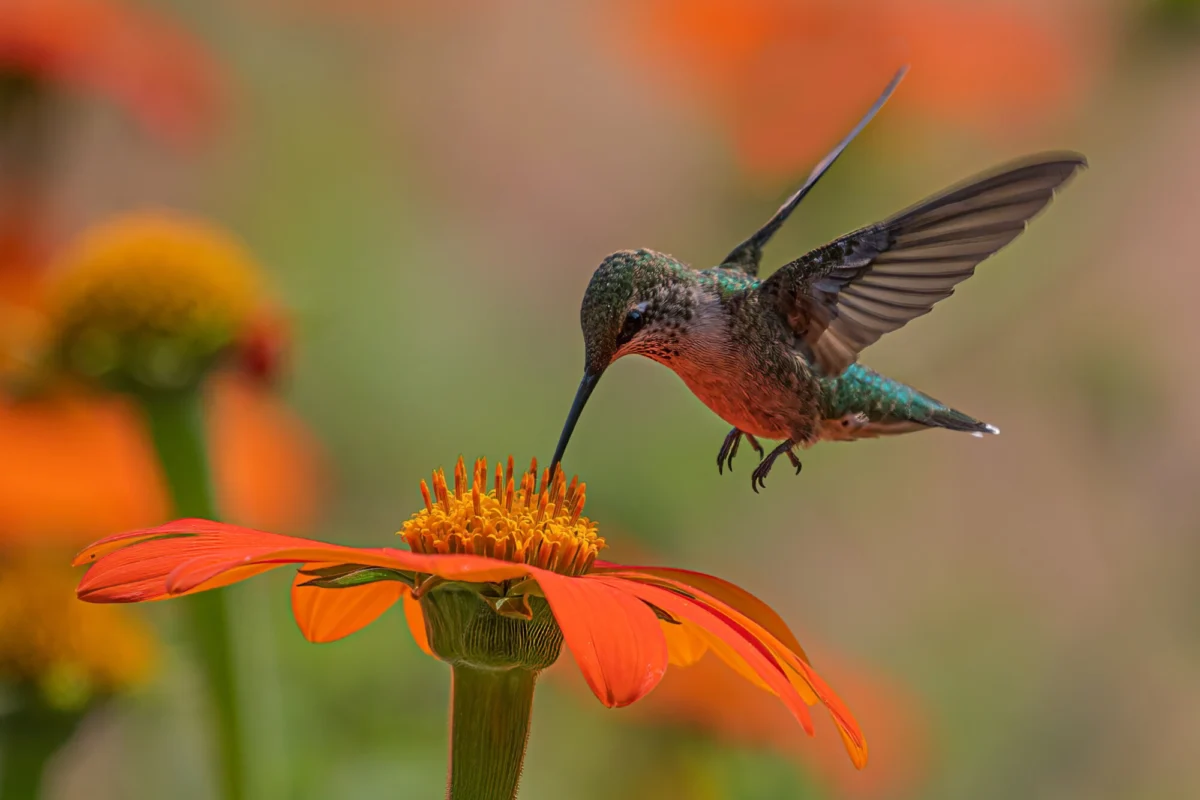
Hummingbirds, the smallest of birds, defy their diminutive size with an ecological impact that is nothing short of monumental. These specialized nectar feeders are indispensable pollinators, their tireless flights between blossoms facilitating plant reproduction across diverse landscapes. As they hover and sip nectar, hummingbirds inadvertently transfer pollen from one flower to another, a process crucial for the continuation of plant species. This vital service is particularly significant in environments where other pollinators, such as bees and butterflies, may face challenges in survival due to habitat loss or climate-induced stress.
The co-evolutionary relationships between hummingbirds and specific plant species are a testament to nature’s intricate design. These specialized partnerships are instrumental in maintaining biodiversity, supporting the health of entire ecosystems. The reliance of certain plants on hummingbirds for pollination, and vice versa, creates a delicate interdependence that, when disrupted, can have cascading effects throughout the food web. Furthermore, hummingbirds are highly sensitive to environmental shifts, acting as sensitive bio-indicators of climate change. Fluctuations in their populations, migration patterns, or breeding success can serve as early warnings of broader ecological distress, alerting scientists and conservationists to urgent environmental issues. A deeper exploration into the multifaceted roles of these tiny aviators reveals their profound contribution to ecological stability. For instance, studies have shown that in certain regions, hummingbirds are the primary pollinators for a significant percentage of native flora, highlighting their irreplaceable role in maintaining plant communities. The annual migration of some hummingbird species, covering thousands of miles, also contributes to the dispersal of plant genetic material over vast distances.
Vultures: Nature’s Indispensable Sanitation Crew
Among the avian world’s most vital, yet often unappreciated, members are the vultures. These large, scavenging birds are nature’s ultimate cleanup crew, performing a critical service that directly benefits public health and environmental integrity. Vultures are adept at locating and consuming carrion, effectively removing carcasses before they can decompose and become breeding grounds for disease-carrying pathogens. Their presence is a natural and highly efficient form of waste management, preventing the spread of bacteria and viruses that could otherwise decimate wildlife populations and potentially impact human health.
Vultures possess a unique physiological adaptation that enables them to safely consume decaying flesh: highly acidic digestive systems. This potent gastric environment neutralizes a wide array of dangerous pathogens, rendering them harmless. This remarkable biological defense mechanism allows vultures to perform their sanitation duties without succumbing to the very diseases they are instrumental in controlling. Their role in ecosystem health extends beyond mere cleanup; by consuming carrion, they prevent the proliferation of pests and reduce the likelihood of disease transmission through contaminated water or soil. The World Wildlife Fund (WWF) aptly describes vultures as "environmental influencers" for their significant impact on maintaining ecological balance and public health. The decline of vulture populations in some parts of the world has been directly linked to outbreaks of diseases like rabies and anthrax, underscoring their critical role in preventing such epidemics. In India, the widespread use of diclofenac, an anti-inflammatory drug, led to a catastrophic decline in vulture populations, resulting in an increase in feral dog populations and a subsequent surge in rabies cases. This tragic example serves as a stark reminder of the interconnectedness of species and the vital ecosystem services provided by these often-maligned birds.
Seabirds: Bridging the Divide Between Land and Sea
The remarkable ability of birds to traverse vast distances, coupled with their unique life cycles, positions them as crucial connectors of disparate ecosystems. Seabirds, in particular, play a pivotal role in linking marine and terrestrial environments, facilitating nutrient transfer and bolstering the health of coastal and island ecosystems. Through their guano, which is rich in nitrogen and phosphorus, seabirds transport essential nutrients from the ocean to land. This deposition of nutrient-rich droppings effectively fertilizes terrestrial vegetation, leading to improved plant growth, increased biomass, and enhanced soil health.
This enrichment of land-based habitats by marine-derived nutrients is fundamental to the stability and productivity of island ecosystems. Healthier vegetation provides food and shelter for a wider array of terrestrial wildlife, contributing to increased biodiversity. Furthermore, robust plant communities help stabilize soils, preventing erosion and maintaining the integrity of coastal landscapes. By acting as conduits for nutrient flow, seabirds help to create a more resilient and interconnected ecological system, demonstrating the profound influence of animal behavior on biogeochemical cycles. Research has indicated that in some remote island ecosystems, seabird colonies are the primary source of essential nutrients, without which the terrestrial flora and fauna would struggle to thrive. This nutrient subsidy is critical for maintaining the unique biodiversity found on many islands, which often harbor endemic species that have evolved in isolation. The study published in the journal Nature Ecology & Evolution highlighted how seabird-driven nutrient inputs can dramatically increase terrestrial plant productivity, influencing food webs far inland from the coastline.
Parrots: The Avian Architects of Forest Regeneration
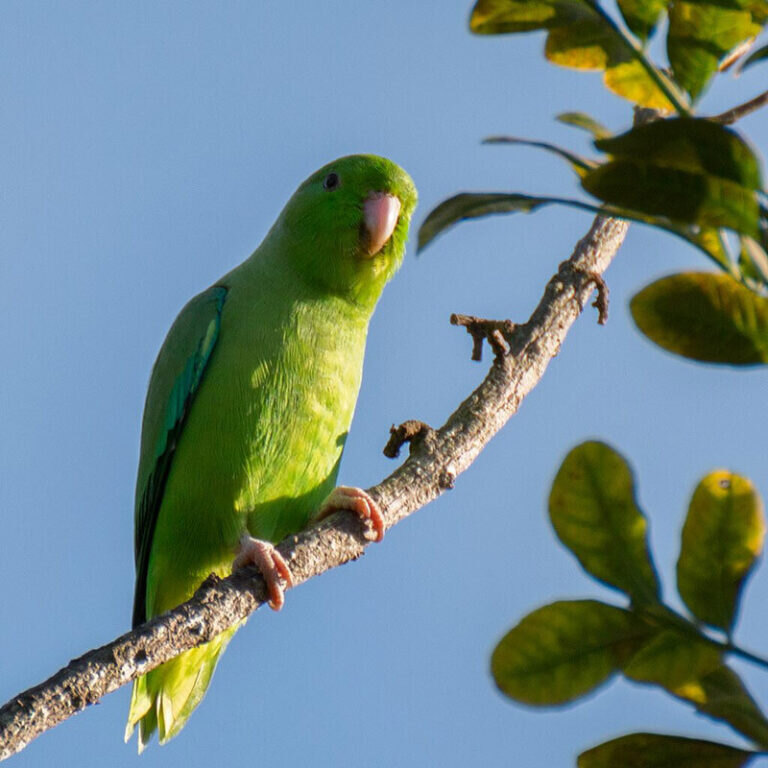
Parrots, often admired for their vibrant plumage and intelligence, are also significant contributors to the health and regeneration of forest ecosystems. These remarkable birds function as "multilinkers" within their environments, performing several critical ecological roles. Primarily, parrots are effective seed dispersers. As they consume fruits, they ingest seeds and subsequently excrete them, often over considerable distances from the parent plant. This process is vital for the natural regeneration of forests, as it helps to establish new plant populations in areas where seeds might not otherwise reach.

Beyond seed dispersal, parrots also contribute to plant pollination and play a role in pest control. Their foraging habits can inadvertently lead to the transfer of pollen between flowers, aiding in plant reproduction. Furthermore, many parrot species supplement their diet with insects, thus helping to regulate insect populations and prevent potential outbreaks that could damage vegetation. Their movements across varied landscapes facilitate the transfer of energy and nutrients between different components of an ecosystem, supporting the intricate life cycles of plants and the overall biodiversity of the region. In some cases, their long-distance seed dispersal capabilities are essential for recolonization and recovery of forest areas affected by disturbances. A comprehensive study published in PMC sheds light on the multifaceted ecological contributions of parrots, revealing their indispensable role in maintaining healthy and dynamic forest environments. The research underscores how their seed dispersal patterns can significantly influence forest structure and species composition over time, especially in fragmented landscapes where natural recolonization is challenged. Their ability to transport seeds across significant distances is a critical factor in maintaining genetic diversity within plant populations and ensuring the long-term survival of forest ecosystems.
Broader Implications and Future Outlook
The roles played by hummingbirds, vultures, seabirds, and parrots are not isolated phenomena. They represent a fraction of the countless ways in which avian species contribute to the intricate web of life on Earth. As we commemorate Earth Day, it is imperative to recognize and champion the conservation of these vital creatures and their habitats. Declines in bird populations worldwide, driven by habitat destruction, climate change, pollution, and other human-induced pressures, pose a significant threat to the ecological services they provide.
The implications of these declines are far-reaching, impacting everything from agricultural productivity through pollination to the prevention of disease transmission. Protecting bird populations requires a concerted global effort, encompassing habitat restoration, sustainable land-use practices, reduction of pollution, and mitigation of climate change. Understanding and valuing the ecological contributions of birds can foster a deeper appreciation for the natural world and strengthen our resolve to protect it. By safeguarding these avian environmental heroes, we are not only preserving biodiversity but also ensuring the health and resilience of the planet for future generations. The ongoing scientific research and conservation initiatives aimed at understanding and protecting these species are crucial for maintaining the delicate balance of our planet’s ecosystems. Earth Day serves as a potent reminder of our collective responsibility to act as stewards of the environment, recognizing the invaluable contributions of all living beings, including our feathered allies.
