
As the autumn season reaches its peak in October, backyard bird enthusiasts and wildlife hobbyists are finding innovative ways to incorporate seasonal traditions into avian care. Wild Birds Unlimited (WBU) Inc., North America’s premier franchise system specializing in backyard bird feeding and nature products, has released a comprehensive guide detailing how homeowners can leverage seasonal themes to optimize backyard bird attraction. Blending the spirit of Halloween with ornithological science, experts emphasize that strategic feeding and environmental enrichment can significantly enhance backyard biodiversity as cooler weather sets in.
The intersection of seasonal festivities and wildlife observation highlights a growing trend among naturalists who utilize year-round calendar milestones to engage communities in backyard conservation. Historically, autumn marks a critical transitional period for migratory and resident birds alike. As natural foraging resources dwindle with the changing foliage, avian species increase their caloric intake to prepare for winter thermoregulation. Recognizing this biological imperative, backyard hobbyists often adjust their feeding strategies, moving beyond standard seed blends to incorporate high-energy dietary supplements.
Industry data compiled by wildlife feeding organizations indicates that autumn and winter represent the peak seasons for backyard bird activity. During these months, participation in hobbyist bird feeding surges by over 40%, driven by both the return of migratory species and homeowners spending more time outdoors amid crisp weather. Experts note that October serves as an ideal educational window to introduce new feeding mechanisms, as birds actively scout for reliable, calorie-dense food sources ahead of the freezing temperatures.
To successfully entice new avian visitors, WBU wildlife specialists recommend a dual approach focused on environmental "tricks" and nutritional "treats." Among the primary environmental attractants is the integration of moving water. Ornithologists have long established that the acoustic signature of running water acts as a powerful auditory beacon for a wide array of bird species. Installing a shallow birdbath equipped with a circulating pump, mister, or dripper dramatically increases backyard traffic, as birds rely on sound to locate safe hydration sources.
Another operational hurdle for backyard naturalists is the introduction of novel feeders or unfamiliar food types, which birds often approach with initial skepticism. Behavioral studies show that avian species can take anywhere from several days to multiple weeks to recognize a new feeding station. To circumvent this delay, experts suggest a simple visual cue: scattering a small quantity of seed directly on top of or immediately beneath the newly installed feeder. Because birds primarily locate sustenance through visual scanning, this technique accelerates the acclimation process, guiding them swiftly to the new food source.

Moving beyond standard maintenance, the concept of seasonal treats offers a scientifically supported method for diversifying backyard wildlife populations. Standard daily rations of mixed seeds and compressed suet blocks provide a solid baseline of nutrition, but introducing specialized, high-lipid supplements can attract rarer, insectivorous, or omnivorous species that typically bypass conventional tube feeders.
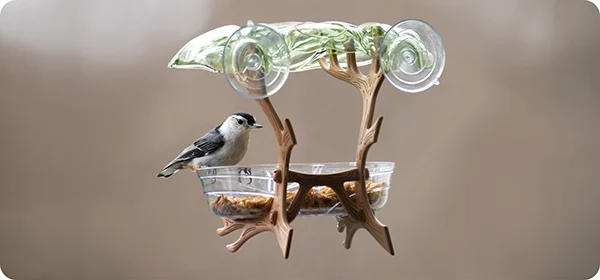
A prime example of specialized nutritional supplementation is Jim’s Birdacious® Bark Butter®, a patented, spreadable suet formulation. According to longitudinal tracking data maintained by wildlife hobbyist organizations, Bark Butter has been documented to attract an unprecedented 155 distinct bird species across the North American continent. The application method—smearing the soft suet directly onto the textured bark of a mature shade tree or atop an active tray feeder—mimics natural foraging behaviors, drawing species such as brown creepers, nuthatches, and various woodpeckers that rarely feed from suspended cylindrical ports.
In addition to spreadable suets, raw and shelled peanuts serve as an essential high-energy resource during the pre-winter caching season. Peanuts boast a high fat and protein profile that is exceptionally beneficial for corvids, titmice, chickadees, and bushtits. Blue jays, in particular, exhibit intense foraging behaviors regarding peanuts in the shell. Behavioral observations indicate that individual jays will frequently harvest up to 100 whole peanuts in a single day, transporting them in their gular pouches to bury them across a radius extending up to six miles from the feeding site. This natural caching behavior not only sustains the birds throughout the winter months but also inadvertently aids in forest regeneration through forgotten or unrecovered seed stores.
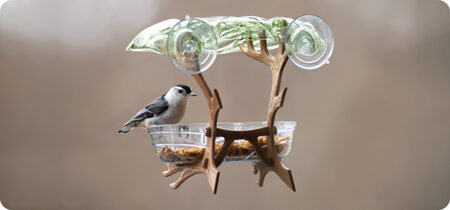
Further expanding the autumnal menu, wildlife specialists recommend targeted foods tailored to specific migratory and resident guilds. Mealworms provide vital protein for eastern and western bluebirds, while fresh fruit offerings and specialized jellies cater effectively to lingering orioles and catbirds. Naturally, nectar-rich formulations remain crucial for late-season hummingbirds navigating their southward migration paths.
Industry stakeholders emphasize that educational outreach remains a cornerstone of modern backyard conservation. Programs such as the WBU Nature Centered Podcast, hosted by wildlife educators John and Brian, play a pivotal role in translating complex ornithological data into accessible, actionable advice for the everyday hobbyist. Episodes dedicated to seasonal feeding strategies—such as "Treats for Birds. No Tricks."—help demystify wildlife behavior, ensuring that feeding practices remain safe, ethical, and biologically sound.
The broader ecological implications of backyard bird feeding extend far beyond localized entertainment. Conservation biologists note that decentralized feeding networks provide vital ecological support, particularly in suburban and urban environments where natural habitats have been heavily fragmented by human development. By maintaining reliable feeding and watering stations, millions of residential homeowners collectively contribute to the sustained health and resilience of regional bird populations.

As the environmental landscape continues to evolve, the integration of creative seasonal engagement—ranging from Halloween-themed feeding initiatives to advanced nutritional science—demonstrates the enduring appeal of backyard nature observation. By combining behavioral insights with specialized dietary offerings, naturalists can successfully support local avian communities while deepening their own connection to the natural world throughout the autumn and winter months.
