
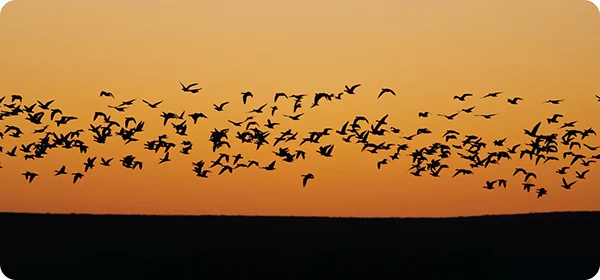
As the calendar turns toward September, a profound biological shift takes place across North America, marking one of the most demanding periods of the year for avian wildlife. While human communities pivot from summer vacations to the routines of the academic and professional year, local ecosystems undergo a dramatic transformation. The intense heat of July and August gradually yields to crisp autumn breezes, summer blooms transition into seed heads and berries, and foliage begins its annual migration through a spectrum of brilliant autumn colors. Yet, behind this picturesque seasonal postcard lies a grueling physiological marathon for backyard birds. Having concluded their intensive parental duties for the year, avian species face the dual, overlapping challenges of post-nuptial molting and preparations for long-distance migration. According to ornithological observations from Wild Birds Unlimited (WBU), this convergence of biological imperatives demands unprecedented energy expenditure, transforming early autumn into a high-stakes survival window where proper nutrition is paramount.

The timing of this seasonal bottleneck is dictated by immutable environmental cues. As daylight hours shorten—a process scientifically known as photoperiodism—birds experience hormonal shifts that trigger restless migratory behaviors, colloquially referred to as Zugunruhe. Simultaneously, adult birds undergo their annual molt, shedding worn, frayed feathers accumulated over the breeding and nesting season and replacing them with a pristine, aerodynamic set of plumage. Wildlife biologists note that these two biological processes—feather regeneration and fat accumulation for migration—are among the most metabolically expensive undertakings in the animal kingdom. Feathers are composed almost entirely of keratin, a specialized protein, meaning that a molting bird’s dietary protein requirements skyrocket during a recovery window that typically lasts between four and eight weeks. Compounding this nutritional stress, migratory species must rapidly increase their caloric intake, with many songbirds and long-distance travelers doubling their body weight through hyperphagia—compulsive overeating designed to store dense layers of subcutaneous fat. This fat reserve acts as the literal fuel tank required to sustain hours, and sometimes days, of continuous nocturnal flight over varied terrain, including open water and urban expanses.
The physiological intensity of this period leaves virtually no margin for error. Ornithologists emphasize that nutritional deficiencies during the autumn transition can compromise structural feather integrity, leading to poor aerodynamic efficiency, increased vulnerability to harsh weather, and diminished prospects for successful migration. Consequently, the availability of high-calorie, protein-rich natural food sources becomes a critical determinant of survival. In natural settings, birds forage heavily on late-season insects, native seed crops, and wild berries. However, landscape fragmentation, urban development, and changing climatic patterns frequently disrupt natural food webs, placing additional pressure on backyard wildlife populations. Wildlife conservationists and backyard feeding specialists point out that the autumn transition period represents a crucial juncture where human intervention can decisively tip the scales in favor of avian survivability.

To bridge this seasonal nutritional gap, wildlife experts recommend a strategic shift in backyard feeding protocols. Standard mixed seeds, while adequate during periods of moderate energy demand, often fail to supply the concentrated fats and proteins required during peak molting and pre-migration fattening. Industry specialists suggest incorporating specialized fare designed to meet these specific metabolic needs. High-energy options such as premium nut blends, shelled peanuts, Nyjer seed, high-fat suet cakes, and specialized renderings like WBU Bark Butter provide the dense caloric payloads that birds instinctively seek out. Field observations indicate that providing these targeted resources not only stabilizes local bird populations during a vulnerable life stage but also dramatically increases backyard biodiversity, offering observers a front-row seat to the dynamic choreography of autumn migration.
Beyond the immediate tactical benefits to backyard bird populations, the autumn transition holds significant ecological implications for broader environmental health. Migratory birds serve as vital bio-indicators, reflecting the overall vitality of regional ecosystems and the impacts of global climate change. Alterations in seasonal temperatures can desynchronize the timing of peak insect emergence and seed production with the departure schedules of migratory species, creating ecological traps where food is scarce precisely when birds need it most. By maintaining supplementary feeding stations during these critical windows, wildlife enthusiasts contribute to a localized support network that mitigates the pressures of habitat loss and climatic unpredictability. Educational resources, such as specialized nature programming and expert-led discussions hosted by organizations like Wild Birds Unlimited through initiatives like the Nature Centered Podcast, continue to raise public awareness regarding the complex science of avian transitions, empowering citizens to transform their backyards into vital waystations for regional wildlife.
