
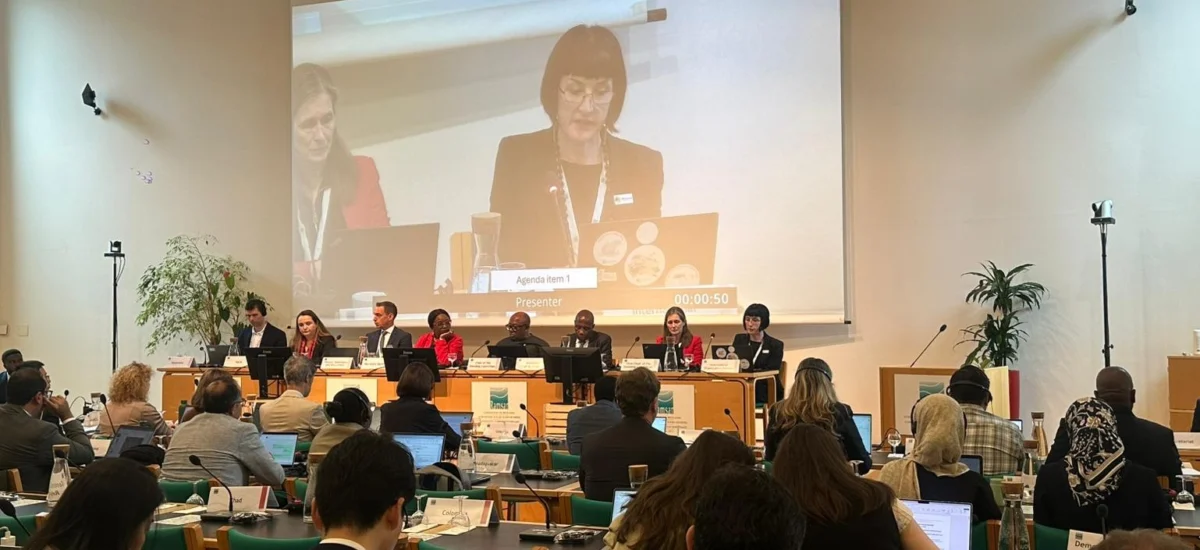
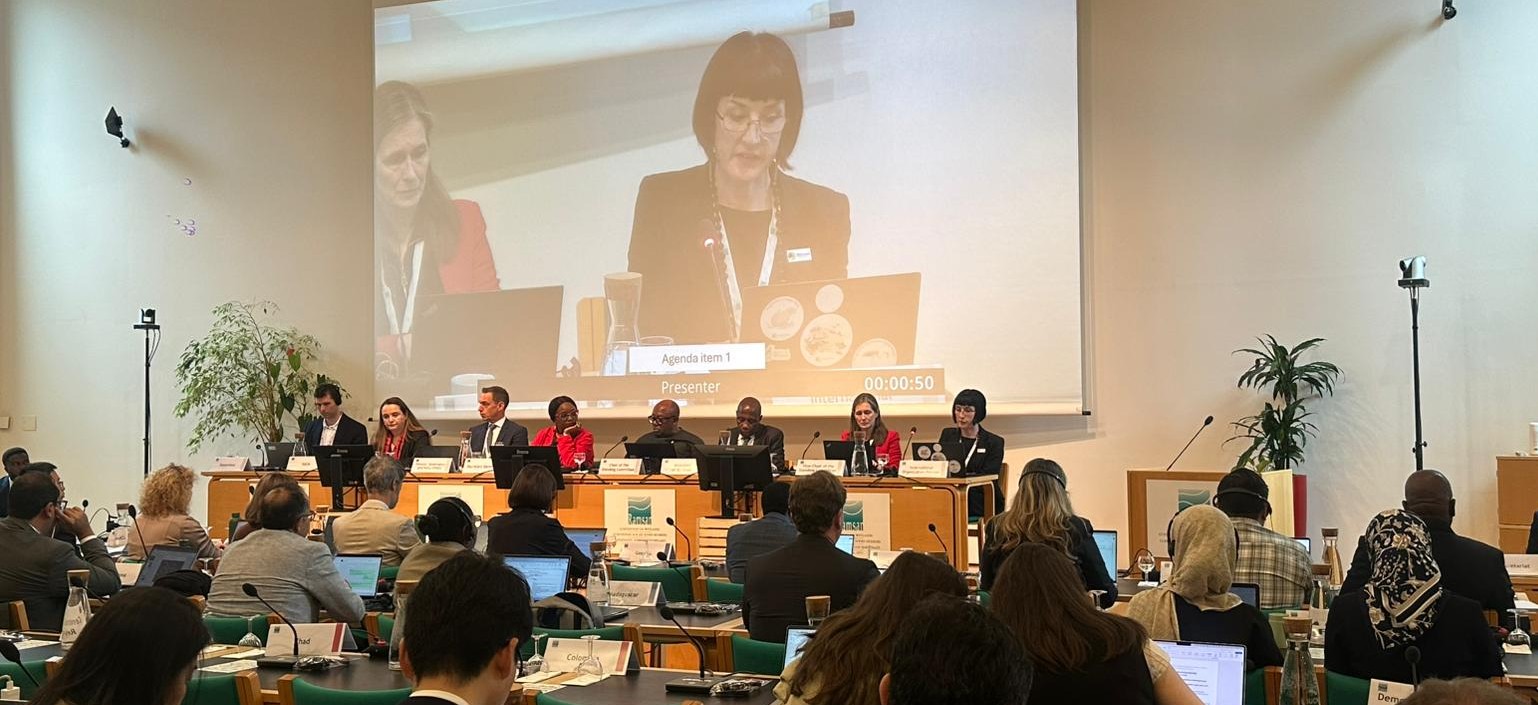
The 67th meeting of the Standing Committee of the Convention on Wetlands (Ramsar Convention) has become a pivotal forum for international dialogue and action on wetland conservation, with Wetlands International, representing a coalition of six major International Organisation Partners, urging a focused approach to safeguarding these vital ecosystems. In an opening session address, Laura MacKenzie, Senior Advocacy Officer at Wetlands International, articulated a clear set of priorities for the coming years, emphasizing the critical need to address the root causes of wetland loss, reconfigure human-wetland relationships, and underscore the indispensable role of wetlands in achieving broader global environmental goals.
The recent success of the 15th Conference of the Parties (COP15) to the Ramsar Convention, held in Victoria Falls, Zimbabwe, has set a promising precedent. The adoption of the Convention’s 5th Strategic Plan and numerous resolutions on critical issues such as migratory flyways, freshwater ecosystems, Other Effective Area-based Conservation Measures (OECMs), and crucial financing mechanisms, has established a roadmap for enhanced wetland protection and restoration. Wetlands International, along with its partner organizations – Birdlife International, IUCN, IWMI, WWF, and WWT – expressed gratitude to Zimbabwe for its COP presidency and extended congratulations to Panama, the designated host of COP16. Their collective focus is now firmly on supporting the effective implementation of these agreed-upon strategies.
MacKenzie’s statement, delivered on behalf of this influential consortium, highlighted three overarching priorities that are informed by their extensive on-the-ground work across the globe. These priorities are designed to translate the ambitious goals set at COP15 into tangible progress, addressing the multifaceted challenges that continue to threaten wetland ecosystems worldwide.
Addressing the Root Causes: Finance and Economic Decision-Making
The foremost priority articulated by Wetlands International centers on confronting the fundamental drivers of wetland loss and degradation, with a particular emphasis on the influence of finance and economic decision-making. Unlocking increased funding for wetland conservation and restoration is identified as a paramount objective. However, MacKenzie pointed to stark realities underscored by the Global Wetland Outlook, which reveals a concerning escalation in nature-negative public and private financial flows.
The UNEP State of Finance for Nature report provides a sobering statistical insight into this imbalance, indicating that for every dollar invested in protecting nature, a staggering thirty dollars are expended on its destruction. This alarming disparity highlights the urgent need to reorient financial systems and economic policies to favor, rather than undermine, wetland preservation.
Therefore, the current triennium demands a heightened focus on the reduction and redirection of subsidies and financial flows that are detrimental to wetlands. The Intergovernmental Science-Policy Platform on Biodiversity and Ecosystem Services (IPBES) Business and Biodiversity Assessment serves as a crucial reminder of the pivotal role governments play in this endeavor. Policy, legal, and regulatory frameworks are instrumental in shaping the actions of businesses and financial institutions. Similarly, fiscal policies and incentives can be strategically aligned with biodiversity goals, creating a more conducive environment for conservation.
Crucially, rapid progress is imperative in integrating the intrinsic and instrumental value of wetlands into economic policymaking. Too often, wetland safeguards are eroded or neglected in the pursuit of development, a trend that MacKenzie cited with specific examples. The recent weakening of legislation designed to protect glacier areas, for instance, exacerbates the threats posed by lithium mining to wetlands and water security in the ecologically sensitive High Andes region. Furthermore, proposed dilutions to the EU Water Framework Directive have raised profound concerns among environmental stakeholders, underscoring the vulnerability of these critical water resources to policy shifts.
Reconfiguring Human-Wetland Relationships: Embracing New Paradigms
The second key priority calls for a fundamental re-evaluation and reconfiguration of the relationship between humans and wetlands. Wetlands International expressed strong support for the resolutions adopted by the IUCN in October, particularly those concerning the rights of nature, including rivers. These resolutions, endorsed by governments, Indigenous Peoples’ Organizations, and NGOs, signal a growing global recognition of the intrinsic value and legal standing of natural ecosystems.
The organization looks forward to exploring how "rights of wetlands" approaches can catalyze transformative change. This concept aligns with the urgent need for transformative change identified by IPBES and is increasingly referenced within the Ramsar Strategic Plan. By recognizing wetlands not merely as resources to be exploited but as entities with inherent rights, a more equitable and sustainable coexistence can be fostered. This paradigm shift necessitates a move away from anthropocentric viewpoints towards a more holistic understanding of ecological interconnectedness, where the health of wetlands is seen as intrinsically linked to human well-being.
Wetlands as Vital Connectors: Synergies Across Global Agendas
The third priority emphasizes the indispensable role of wetlands as vital contributors to the delivery of outcomes under other Multilateral Environmental Agreements (MEAs). Wetlands are not isolated ecosystems; they are critical watery connectors that permeate and influence progress across a spectrum of global environmental agendas. This includes the three Rio Conventions (UNFCCC, CBD, UNCCD) and the UN Water Conference, as stipulated by Resolution XV.4 on synergies.
The UN SDG 6 Synthesis Report powerfully reinforces the concept of water as a "Super Connector," underscoring its centrality across all Sustainable Development Goals (SDGs) and international environmental conventions. Wetlands, as integral components of the water cycle, are at the heart of this connectivity.
The year 2026 has already witnessed positive developments. Parties to the Convention on Migratory Species (CMS) have adopted crucial decisions pertaining to flyways, connectivity, and migratory wetland species. The Pantanal Declaration, a significant regional initiative, has championed the pivotal role of wetlands not only for biodiversity conservation but also for climate regulation, water security, and the sustenance of community livelihoods. These developments serve as powerful testaments to the importance of cross-border cooperation and visionary political leadership in wetland management.
Looking ahead, the strengthening of coherence within monitoring and reporting systems is deemed essential for effective wetland governance. In this regard, Wetlands International welcomes the proposed indicator framework for the 5th Strategic Plan and strongly encourages the Standing Committee to adopt it. Such a framework will provide a standardized and robust mechanism for tracking progress and ensuring accountability.

A Multifaceted Approach to Global Environmental Challenges
The upcoming Conferences of the Parties (COPs) for other major environmental conventions present significant opportunities to advance wetland conservation. At the UN Convention to Combat Desertification (UNCCD) COP17 in Mongolia, there is a clear opportunity to accelerate action on freshwater ecosystems and peatlands, building upon the incorporation of wetlands into land degradation neutrality targets and drought resilience plans.
Similarly, at the Convention on Biological Diversity (CBD) COP17 in Armenia, the global review must powerfully showcase how reversing wetland loss and degradation is an absolute prerequisite for achieving the 2030 biodiversity targets. The interconnectedness of biodiversity loss and wetland degradation cannot be overstated.
At the UNFCCC COP31 and the UN Water Conference, discussions on water security, climate resilience, and mitigation must precipitate a major paradigm shift in investment, moving decisively from "grey" to "green and blue" infrastructure. This transition recognizes the cost-effectiveness and long-term sustainability of nature-based solutions.
Furthermore, Wetlands International highlights the crucial role of "whole of society" voluntary initiatives. Programs such as the Freshwater Challenge, featured in Resolution XV.15, the Mangrove Breakthrough, and the Peatland Breakthrough, represent innovative and collaborative approaches to wetland conservation. The organization warmly encourages more Contracting Parties to actively participate in and champion these vital initiatives.
The Indispensable Role of Scientific and Technical Support
Finally, Wetlands International underscored the exceptional value and importance of the outputs generated by the Standing Committee’s Scientific and Technical Review Panel (STRP). These outputs are fundamental to the ongoing conservation and wise use of wetlands. Wetlands International is proud to contribute to numerous priority tasks undertaken by the STRP, including work on GEOwetlands, the water cycle, transformative change pathways, and the forthcoming Global Wetland Outlook focusing on cities.
The collaboration with Contracting Parties, the Ramsar Convention secretariat, and a multitude of other stakeholders is essential for achieving shared wetland goals. The commitment demonstrated at the Standing Committee meeting provides a renewed impetus for collective action, ensuring that the irreplaceable benefits of wetlands for people, nature, and climate are safeguarded for generations to come. The path forward requires sustained political will, increased financial investment, and a fundamental shift in how humanity perceives and interacts with these vital ecosystems.
