

Jakarta, Indonesia — Wetlands International has released a comprehensive new white paper sounding the alarm over an escalating risk of severe peatland fires in Indonesia, raising fears of a renewed transboundary haze crisis across Southeast Asia. The advisory, published on July 28, 2026, highlights a dangerous convergence of a strengthening El Niño climate pattern, rising global temperatures, and extensive historical environmental degradation that leaves millions of hectares of carbon-rich tropical wetlands acutely vulnerable to ignition.
The warning arrives as meteorologists track intensifying dry-season conditions across the equatorial belt. According to the organization, the window of opportunity for governments, corporations, and local communities to implement preventative measures and avert a large-scale ecological disaster is rapidly narrowing.
The Scale of the Vulnerability: Understanding Indonesia’s Peatlands
Indonesia holds approximately 13.4 million hectares of tropical peatlands, positioning the archipelago among the most critical custodians of global peat ecosystems. These unique wetlands function as monumental natural reservoirs, storing billions of tons of carbon accumulated over millennia while regulating hydrological cycles, buffering against floods and droughts, and harboring a diverse array of endemic flora and fauna.
However, decades of aggressive land conversion, commercial development, and large-scale drainage for agriculture—particularly for palm oil and pulpwood plantations—have profoundly altered these landscapes. Between 4 million and 6 million hectares of Indonesian peatlands are currently classified as degraded and dangerously dry.
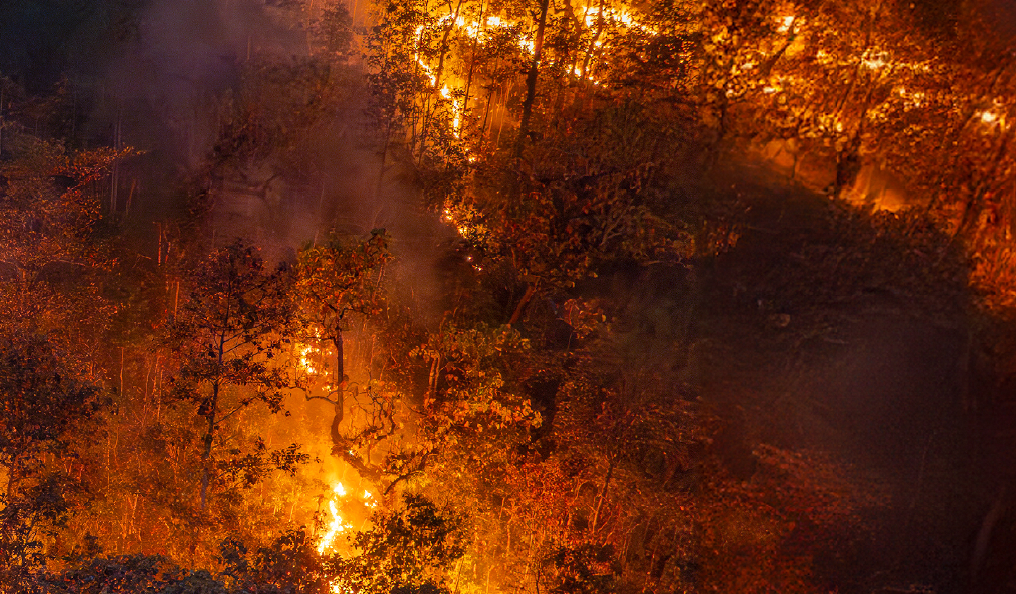
Unlike standard surface forest fires, which consume canopy and underbrush, peat fires burn subsurface. Composed of partially decayed organic matter accumulated underwater, dry peat acts as a dense subterranean fuel source. These fires can smolder undetected for weeks or even months beneath the surface, resisting conventional firefighting efforts and emitting suffocating layers of acrid smoke alongside catastrophic volumes of greenhouse gases. Healthy, waterlogged peatlands are naturally fire-resistant; once drained and desiccated, however, they transform into literal tinderboxes.
Historical Precedent: The Shadow of Past Crises
To contextualize the current threat, the white paper looks back at historical catastrophes, most notably the catastrophic 1997–1998 El Niño event. During that period, an estimated 9 million to 10 million hectares of land burned across Indonesia, much of it on drained peat soils.
The resulting transboundary haze blanketed portions of Indonesia, Malaysia, Singapore, Brunei, and southern Thailand, exposing more than 200 million people to hazardous air quality indices. The crisis caused a surge in acute respiratory illnesses, grounded commercial flights, paralyzed regional economies, and released carbon emissions equivalent to a significant fraction of global fossil fuel output that year. Subsequent severe fire seasons, such as those in 2015 and 2019, demonstrated that despite improved regulatory frameworks and localized firefighting capacities, the underlying vulnerability of drained peatlands remains a persistent systemic risk.
A Narrow Window for Preventative Action
Despite the gravity of the outlook, Wetlands International emphasizes that a repeat of past disasters is not inevitable. The white paper outlines a series of urgent, actionable steps that can substantially mitigate the frequency and severity of fires if deployed immediately.
At the core of these recommendations is large-scale hydrological restoration. Re-establishing high water tables in drained peatlands through canal blocking and the repair of rewetting infrastructure is vital to re-moisturizing the soil and preventing subsurface combustion. Furthermore, the organization calls for the reinforcement of community-based fire early-warning systems, the mobilization of local response units, and stricter monitoring by land managers and regulatory authorities as the dry season intensifies.

Beyond immediate emergency preparedness, the report advocates for structural shifts in land-use policy. This includes long-term investments in peatland rehabilitation, the promotion of sustainable, climate-smart economic models such as paludiculture—farming on wet peat without drainage—and integrated governance frameworks that recognize healthy peatlands as essential foundational infrastructure for water security, biodiversity preservation, and national climate commitments.
Economic and Environmental Implications
From an analytical standpoint, the financial and social arguments for prevention heavily outweigh the costs of crisis management. Fighting active, deep-seated peat fires requires immense logistical resources, water bombing operations, and manpower, often yielding limited success until seasonal rains arrive. Conversely, investing in proactive restoration lowers suppression expenditures while protecting public health systems from the staggering costs of treating smoke-induced respiratory and cardiovascular ailments.
Furthermore, Indonesia has committed to ambitious Nationally Determined Contributions (NDCs) under the Paris Agreement, aiming to curb greenhouse gas emissions significantly. Because degraded peatlands are among the world’s most concentrated sources of carbon emissions when burned, preventing peat fires is arguably the single most effective lever Indonesia possesses to meet its international climate targets and maintain credibility within global environmental governance.
As global climate change increases the frequency and intensity of extreme weather anomalies, experts agree that managing and restoring tropical peatlands is no longer merely a local environmental concern. It is an urgent regional and global priority essential for safeguarding human health, economic stability, and the global climate system.
